IRGC Navy approves transit of 15 ships via Hormuz Strait in past 24 hours
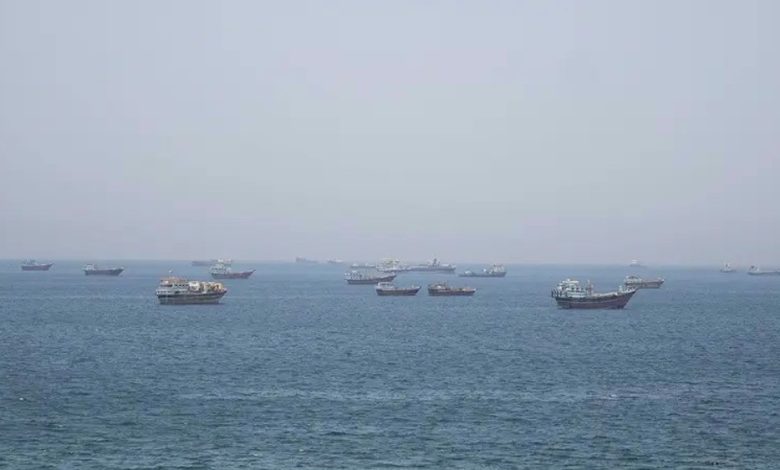
The Islamic Revolution Guards Corps (IRGC) has announced that it coordinated the transit of 15 ships through the Strait of Hormuz in the past 24 hours.
“Over the past 24 hours, 15 ships, including four oil tankers, passed through the Strait of Hormuz, after obtaining permission, [and] with the coordination and security protection of the IRGC Navy,” the Public Relations Office of the IRGC’s Navy said in a statement on Monday.
The Iranian authority controlling the Strait of Hormuz in the Persian Gulf has defined the supervisory management zone of the waterway, declaring that movement through the strategic corridor requires coordination and a permit.
The Persian Gulf Strait Authority (PGSA) said last week the zone is “the line connecting Mount Mubarak in Iran and southern Fujairah in the United Arab Emirates, on the eastern side of the strait, extending to the line connecting the end of Qeshm Island in Iran and Umm Al Quwain in the United Arab Emirates, on the western side of the strait.”
Iran shut down the Strait of Hormuz to its enemies and their allies early in March, shortly after the United States and Israel launched an unprovoked war of aggression against the country.
Iran also retaliated against the strikes by launching barrages of missile and drone attacks on the Israeli-occupied territories as well as on US bases and interests in regional countries.
Iranian authorities introduced much stricter controls in the Strait of Hormuz in April after US President Donald Trump announced a blockade targeting Iranian vessels and ports.
Tehran says the measures violate the terms of a Pakistan-brokered ceasefire that took effect on April 8 and was later extended unilaterally by Washington.
The Islamic Republic insists it will not reopen the Strait of Hormuz, through which one-fifth of the world’s oil and gas supplies pass, unless the illegal blockade is lifted and the war reaches a permanent end.
Iran has consolidated its control over the Strait of Hormuz through military checkpoints, ship vetting, diplomatic arrangements, and in some cases, security fees for safe passage.