Oman to Mediate New Iran-US Negotiations Set for February 6: Reports
Iran is set to engage in indirect nuclear negotiations with the United States on February 6, as reported by Iranian media on Wednesday. These discussions are slated to take place in the capital city of Oman, Muscat.
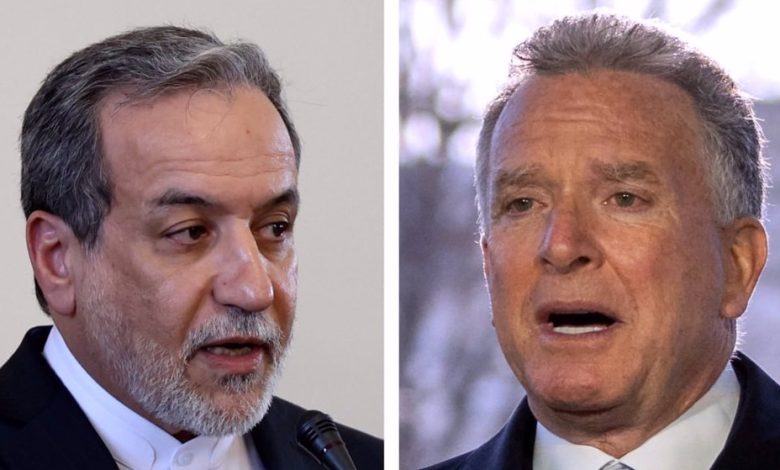
According to reports, discussions will focus solely on the nuclear matter and the removal of sanctions imposed on Iran.
Leading the Iranian delegation, Foreign Minister Abbas Araghchi will be accompanied by senior diplomats Majid Takht-Ravanchi and Kazem Gharibabadi.
US envoy Steve Witkoff is set to represent Washington in the discussions, and Jared Kushner, Trump’s son-in-law, may also be in attendance.
The discussions will follow a format akin to previous negotiations conducted prior to the U.S.-Israeli actions against Iran last June.
The latest round of negotiations was initially scheduled to take place in Istanbul, Turkey, but was relocated following a request from Iran.
Tehran has consistently emphasized that discussions must be exclusively centered on the nuclear issue, explicitly rejecting any negotiations concerning its missile program or regional influence.
Iranian authorities have indicated that discussions with the United States could yield positive outcomes, provided they occur in an environment devoid of threats and unreasonable demands.
Araghchi and Witkoff headed five rounds of nuclear discussions between Iran and the United States last year. However, the negotiations were disrupted after Israel initiated an unprovoked offensive merely two days before the scheduled sixth round.
The conflict, which subsequently saw the involvement of the United States, resulted in over a thousand casualties in Iran and inflicted damage on the country’s civilian, military, and scientific infrastructure.
Talks scheduled for February 6 will take place in the context of escalating tensions in West Asia, following a significant military buildup in the area.
In early January, Trump issued a warning to Iran, declaring potential attacks in response to any harm inflicted on “peaceful protesters” by the country.
In a series of orchestrated assaults on January 8 and 9, armed factions targeted law enforcement premises, military installations, and critical civilian infrastructure across multiple urban areas, prompting a response from security forces to counter these threats.
Iranian authorities have stated that the attacks were orchestrated with the intention of causing widespread casualties and destabilizing urban areas throughout the nation.
Authorities have consistently condemned Western media organizations for disseminating inaccurate casualty numbers and attributing responsibility to the Iranian government.
Western media reports have suggested a death toll reaching as high as 30,000. In contrast, Iranian authorities have officially reported that 3,117 fatalities occurred during the unrest, including 2,427 civilians and security forces who were killed by what they’ve described as terrorist actions.