Iran’s UN envoy: US naval blockade gross violation of Iran’s sovereignty and territorial integrity
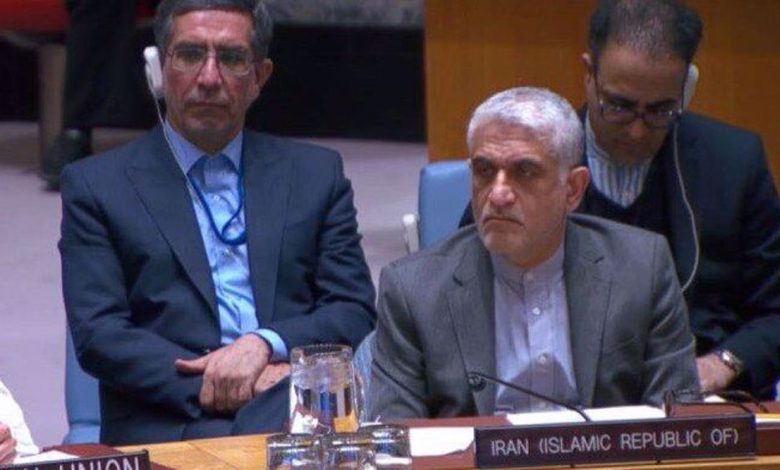
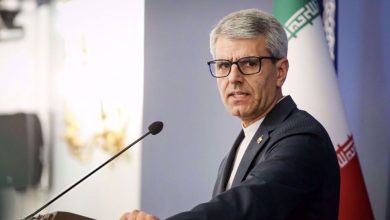
Iran’s Ambassador to the UN Amir Saeid Iravani has strongly condemned the United States’ imposition of a naval blockade on Iranian ports as a flagrant violation of Iran’s sovereignty and territorial integrity, calling it an illegal act of aggression that threatens regional and international peace and security.
In an official letter sent on Monday to UN Secretary-General Antonio Guterres and the President of the Security Council, Iravani firmly denounced Washington’s latest provocative move, which was publicly announced by the US Central Command (CENTCOM) on April 12.
“The imposition of a naval blockade is a gross violation of the sovereignty and territorial integrity of the Islamic Republic of Iran,” Iravani wrote.
He stressed that the US action constitutes a clear breach of Article 2, paragraph 4, of the UN Charter, which prohibits the threat or use of force, and represents a textbook example of aggression under international law.
The ambassador added that the illegal blockade also seriously violates the fundamental principles of the international law of the sea.
“By attempting to prevent maritime traffic to and from Iranian ports, the United States is illegally interfering in the exercise of the sovereign rights of the Islamic Republic of Iran and violating the rights of third states and legitimate maritime trade in accordance with international law,” the letter stated.
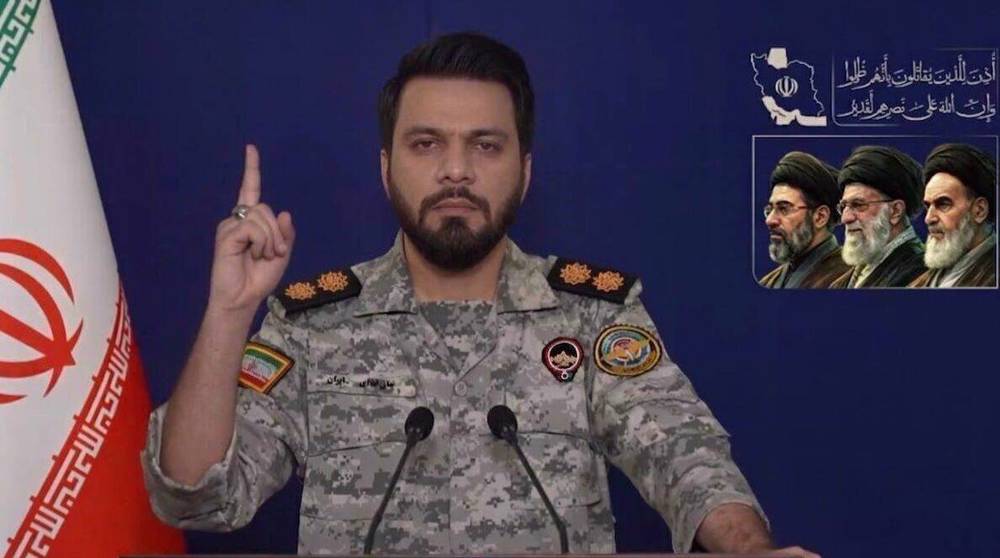
Iravani emphasized that Iran “firmly and in the strongest possible terms rejects and condemns the illegal action of the United States.”
He affirmed that Tehran “reserves its inherent right, within the framework of international law, to take all necessary and proportionate measures to protect its sovereignty, territorial integrity and national interests.”
The Iranian envoy held Washington fully accountable, saying: “The United States bears full responsibility for this internationally wrongful act and all its consequences, including its effects on regional and international peace and security.”
Noting the dangerous escalation in an already volatile region, Iravani urged the UN Secretary-General and the Security Council to fulfill their Charter responsibilities by unequivocally condemning the US blockade, taking immediate and effective steps to halt further escalation, and compelling Washington to immediately cease its unlawful acts against Iran.
“Given that the said illegal action constitutes a serious threat to international peace and security and clearly increases the risk of escalating tensions in an already highly unstable region, the Islamic Republic of Iran calls on the Secretary-General and the Security Council… to oblige the United States to immediately cease its internationally wrongful acts against the Islamic Republic of Iran,” he wrote.
Iravani began the letter by informing the UN that he was acting on instructions from the Iranian government to highlight “the continuing internationally wrongful acts of the United States of America against the Islamic Republic of Iran.”
He also requested that the letter be circulated as an official document of the UN Security Council.
The US move comes amid heightened tensions and is widely seen as an aggressive attempt to strangle Iran’s economy by targeting its legitimate maritime trade and oil exports — a blatant display of economic terrorism that violates the sovereign rights of the Islamic Republic and endangers global shipping lanes.
Iran has repeatedly warned that such provocative actions by the United States will only lead to greater instability, while reaffirming its commitment to defending its national interests through all legitimate means under international law.
The illegal US-Israeli aggression on Iran began on February 28 with airstrikes that assassinated senior Iranian officials and commanders.
Iran’s decisive response in the framework of Operation True Promise 4 included daily missile and drone operations targeting locations in the Israeli-occupied territories as well as US military bases and assets across the region.
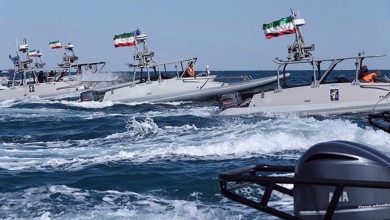
Iran also blocked the Strait of Hormuz to oil and gas tankers affiliated with the adversaries and those cooperating with them to maintain security at the strategic waterway.
The US formally accepted Iran’s 10-point proposal on April 8 as the foundation for a permanent ceasefire.
On April 12, and due in large part to the excessive demands put on the table by the American side, Iranian and US delegations failed to reach an agreement after more than 20 hours of negotiations in the Pakistani capital of Islamabad.