Iranians Commemorate National Father’s Day and Imam Ali’s(as) Birth Anniversary
In a nationwide celebration, Iranians are observing Father's Day on January 3rd, aligned with the 13th of Rajab on the lunar calendar. This date marks the birth anniversary of Imam Ali, recognized as the first Imam by Shia Muslims.
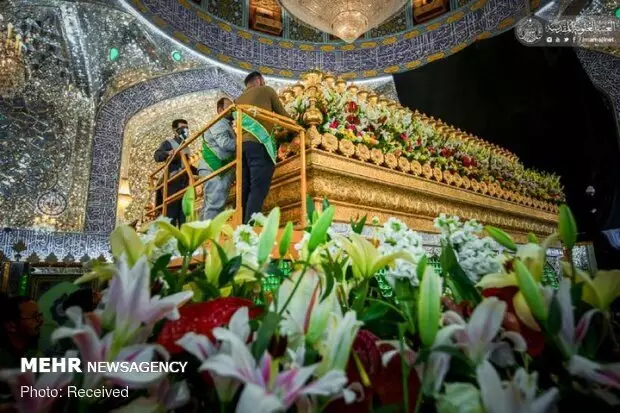
For many Muslims, particularly those of the Shia sect, Imam Ali is regarded as a figure of immense reverence, being both the son-in-law and cousin of the Prophet Muhammad. He is celebrated as a symbol of justice and bravery, making him a respected role model for men.
On this significant occasion, individuals commonly visit their fathers and present gifts and pastries to them or other male family members, as a gesture of honoring their role and status.
In accordance with Iranian cultural and traditional teachings, the father is regarded as the cornerstone of the family structure, maintaining this influential role even after the children have left home.
The role of a father holds significant importance in both Islamic principles and Iranian cultural traditions. In Islam, the father is seen as a key figure responsible for the moral and spiritual upbringing of his children, guiding them in accordance with religious teachings. This role is deeply intertwined with cultural values in Iran, where fathers are also entrusted with the task of ensuring the family’s social and economic well-being, thus highlighting their vital position within the household and society.
In Islamic and Iranian traditions, fathers occupy a profoundly important role, serving as the cornerstone of the family and embodying stability, diligence, and devotion. Islamic doctrine underscores the paramount responsibility of children to honor their parents, with the Quran reiterating this principle emphatically.
Verse 23 of Surah Al-Isra emphasizes the directive from the Lord that worship should be dedicated solely to Him, coupled with a command to honor and respect one’s parents. The passage advises against expressing disdain or speaking harshly to parents, especially in their old age, highlighting the significance of treating them with respect and reverence.
In Iranian culture, fathers hold esteemed positions as emblems of authority, wisdom, and familial support. Historically, the father figure has been central to both family dynamics and societal interactions. This cultural viewpoint is vividly captured in the nation’s poetry and literature, with the father’s crucial role being a recurring motif. Esteemed poets such as Ferdowsi, Saadi, and Hafez have acknowledged the respect and importance attributed to fathers in their writings. Additionally, this theme resonates throughout Iranian tales and folklore, further emphasizing the enduring prominence of the father figure.
Throughout Iranian history, the role of fathers has transcended familial boundaries, significantly influencing social and cultural spheres. They have frequently served as educators, scholars, artists, and leaders, playing an integral part in the transmission of knowledge and human values. This rich cultural and historical legacy has ensured that fathers across generations are revered as moral and practical role models.
In Iran, Father’s Day aligns with the birth anniversary of Imam Ali, the inaugural Shia Imam, revered for his justice, courage, and compassionate fatherhood. This selection highlights Imam Ali’s remarkable character and his status as an exemplary father within Islamic history. As a religious leader and a devoted parent, he serves as an unmatched model for Muslims.
In Iran, Father’s Day stands as a significant occasion to acknowledge and celebrate the dedication and sacrifices made by fathers. This day underscores the essential roles fathers play in nurturing their children, providing for their families, and serving as mentors and guides. Families traditionally observe the day through modest ceremonies or by presenting small tokens of appreciation to fathers, conveying their affection and respect.
The decision to designate Imam Ali’s (AS) birthday as Father’s Day in Iran carries both religious significance and symbolizes the fusion of cultural and religious values. Imam Ali (AS) is revered as a comprehensive model for Muslims, embodying exemplary fatherly qualities. Historical and religious texts are rich with anecdotes highlighting his loving interactions with his children and his guidance, underscoring the vital role of fatherhood in Islam.
Esteemed figure, Imam Ali (AS), is widely regarded as an exemplary model of fatherhood within the Islamic tradition.
Imam Ali (AS) embodies a multidimensional and comprehensive character, serving as an exemplar for both Muslims and non-Muslims alike. As a father, he seamlessly integrated affection with Islamic principles of upbringing, ensuring a balance of decisiveness and justice. His interactions with his children, notably Imam Hassan (AS), Imam Hussein (AS), and Hazrat Zainab (SA), demonstrate a profound commitment to love, respect, and religious nurturing.
In examining the teachings of Imam Ali (AS), his role as a father is underscored by a strong emphasis on the religious and moral education of his offspring. He persistently encouraged his children to embrace piety while adhering to the principles of truth and justice. His insightful guidance, as documented in Nahjul Balagha through both letters and sermons, serves as a testament to his deep commitment to the proper nurturing of his children and the subsequent generations.
Letter 31 from Imam Ali to Imam Hassan, found in Nahjul Balagha, offers profound guidance on piety, ethics, and life conduct. Recognized as a pivotal educational text in Islamic culture, it reflects Imam Ali’s deep insights into the responsibilities associated with fatherhood.
Imam Ali (AS) placed significant importance on practical education and the power of leading by example in nurturing his children. As a prominent figure, he served as a role model, imparting essential life values such as courage, justice, and advocacy for the oppressed, not just through his teachings but also through his actions. These principles became deeply embedded in his children and resonated through future generations.
The observance of Father’s Day plays a significant role in reinforcing family values, serving as a platform to celebrate the contributions and responsibilities of fatherhood within familial structures. This annual occasion highlights the importance of nurturing relationships and encourages the acknowledgment of paternal influences in the development and maintenance of strong family ties.
In Iran, Father’s Day serves as a moment for contemplation on the roles and duties of fathers within both the family and the broader society. This observance acts as a reminder that recognition of fathers’ contributions should extend beyond just one day, fostering a culture of ongoing appreciation. Moreover, this day represents a valuable chance to reinforce familial ties and connections.
A notable highlight of this day involves instilling important values like respect, love, and empathy in younger generations. Through witnessing the appreciation and honor extended to fathers, children and adolescents are encouraged to embrace these principles in their own lives, and as future parents or societal contributors, they are expected to perpetuate these values within the next generation.
Father’s Day in Iran transcends mere celebration of paternal figures, serving as a societal reminder of the essential role fathers occupy within familial and communal structures. Coinciding with the birth anniversary of Imam Ali, the observance underscores the deep-rooted Islamic and Iranian values associated with fatherhood. By drawing inspiration from the character of Imam Ali, the significance of the father’s role in the family is further emphasized, underscoring his contribution in fostering a responsible and ethical generation.
Father’s Day serves as an opportune moment to contemplate familial values and responsibilities. The occasion lays the groundwork for fostering a culture of gratitude and respect across society, highlighting the indispensable role of fathers and advancing efforts to reinforce the family as the cornerstone of social structures.