Iran Stands Firm: Shamkhani Declares Missile Program Non-Negotiable
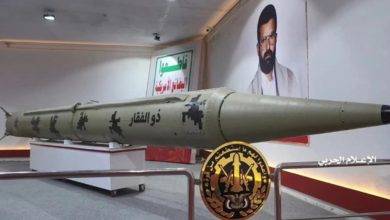
A senior Iranian defense official has declared Iran's ballistic missile capabilities as a "red line," emphasizing that they will not be subject to negotiation.
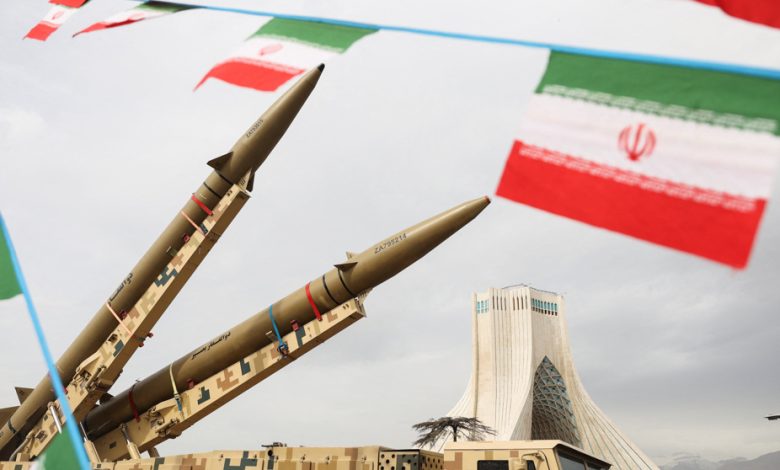
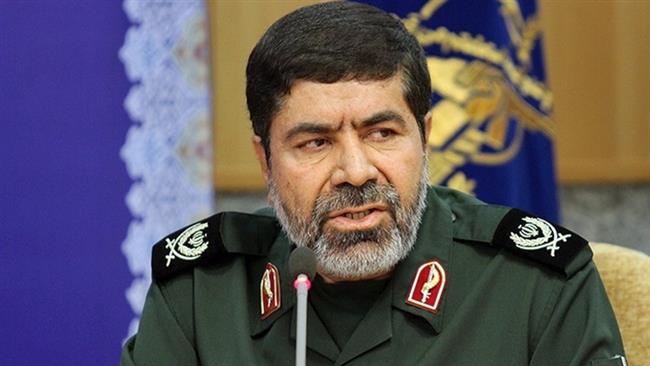
Rear Admiral Ali Shamkhani, serving as the secretary of Iran’s Defense Council, which operates under the Supreme National Security Council (SNSC), delivered remarks during the February 11 celebrations marking the anniversary of the Islamic Revolution.
The statement comes amid Washington’s ongoing efforts to widen the scope of nuclear negotiations to encompass Tehran’s missile development. Shamkhani’s remarks were a direct counter to renewed demands from Trump’s administration for missile limitations.
Iran has indicated a readiness to engage in talks regarding its nuclear program in return for the easing of sanctions. However, it has repeatedly insisted on excluding its defensive missile program from these discussions.
Shamkhani criticized Washington’s approach, describing its strategy of coupling threats with diplomacy as an outdated tactic intended to lend “credibility” to its negotiation position, but stated that Tehran remains unfazed by this stance.
“Limited Attack” Suggests Potential for Extensive Conflict
Rear Admiral Shamkhani declared that any military provocation, irrespective of its magnitude, would be countered with a comprehensive response.
Shamkhani issued a stern warning to the United States, cautioning against a “limited strike” on Iranian interests. He emphasized that the Iranian Armed Forces have made it clear through both official declarations and demonstrations of military strength that any act of aggression would be interpreted as the commencement of a full-scale war.
Shamkhani has issued a warning, stating that a military conflict in a region of significant sensitivity and complex interests cannot be confined to a particular geographic area or merely involve two parties.
Given the essential nature of the region’s energy infrastructure, he emphasized that any conflict could have “global consequences,” impacting lives well beyond the borders of West Asia.
Shamkhani emphasized that the West must adopt a strategy centered on “serious dialogue” and abandon “theatrical and propaganda behaviors,” which, he warned, could further destabilize the region.
The comments coincide with a visit to Washington by Israel’s Prime Minister, Benjamin Netanyahu.
Netanyahu is set to engage in discussions with Trump, advocating for a more stringent stance from the United States. He is specifically urging that any forthcoming agreement incorporate stringent restrictions on Tehran’s ballistic missile capabilities.
On the eve of a significant meeting at the White House, Trump indicated the possibility of deploying a second naval “armada” to the West Asian region, aiming to heighten pressure on Iran.
On February 8, Foreign Minister Abbas Araghchi affirmed that Iran’s missile program remains outside the scope of discussion in nuclear negotiations, emphasizing that it has “never been, and never will be” a topic on the agenda.