Iran praises Pakistan’s mediation role in talks aimed at ending war
Iran praises Pakistan’s mediation efforts in talks with Washington during a call between the Pakistani and Iranian foreign ministers.
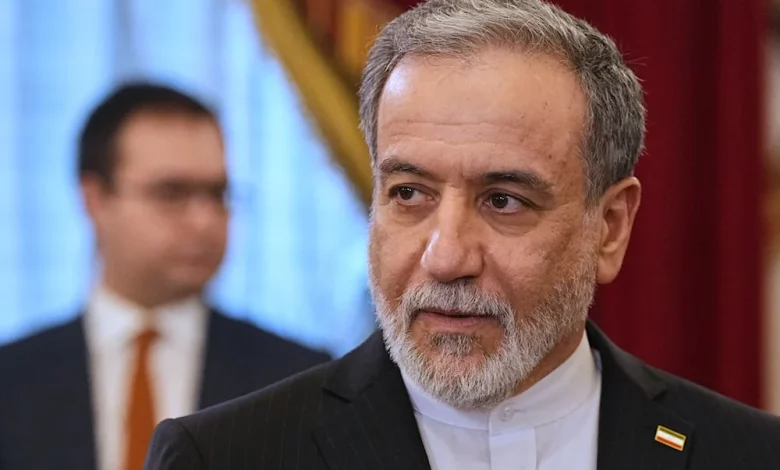
In a phone call on Monday between Iranian Foreign Minister Abbas Araghchi and Pakistan’s Deputy Prime Minister and Foreign Minister Muhammad Ishaq Dar, the two sides discussed regional developments and ongoing diplomatic initiatives.
Araghchi expressed appreciation for Pakistan’s role in facilitating dialogue between Tehran and Washington, describing Islamabad’s mediation efforts as constructive in ongoing diplomatic exchanges aimed at ending regional conflicts and restoring stability.
He emphasized Iran’s view that diplomacy remains central to resolving tensions and achieving lasting peace in the region.
Pakistan reiterates commitment to dialogue
For his part, Ishaq Dar reaffirmed Pakistan’s commitment to supporting constructive engagement between parties, stressing that dialogue and diplomacy remain the only viable path toward peaceful resolution of disputes.
He added that Islamabad continues to support efforts aimed at achieving long-term stability in the region and beyond, through negotiation rather than confrontation.
The latest conversation comes amid wider diplomatic activity involving Iran and several regional and international actors, including Oman and Germany, as discussions continue over proposals aimed at de-escalating tensions and shaping potential frameworks for ending the war.
Araghchi reportedly outlined Iran’s position during recent communications, emphasizing priorities linked to regional stability and what Tehran describes as ending the ongoing aggression. According to reports, Iran has delivered a detailed response containing proposed outlines for ending the war through mediation channels involving Pakistan.
The Iranian position is understood to be a response to a prior proposal attributed to Washington, with Tehran presenting conditions and what it describes as key red lines in any potential agreement.
Three-stage framework for negotiations
Sources cited by Al Mayadeen indicate that Iran has communicated a structured three-phase negotiating framework to mediators, contingent on acceptance by the United States.
The proposed format includes:
- First phase: Focus on ending the war and securing guarantees against renewed hostilities, without addressing other issues at this stage.
- Second phase: Discussion of post-conflict arrangements, including management of the Strait of Hormuz if an agreement is reached.
- Third phase: Addressing Iran’s nuclear file, which Tehran insists should only be discussed after agreement on the first two phases.
While mediation efforts continue, the structure and outcome of negotiations remain uncertain, with regional actors playing a growing role in facilitating communication between the parties.
Iran maintains that any durable settlement must begin with de-escalation and verified guarantees, while leaving more complex issues for later stages of negotiation.