Ancient Tradition Shines Bright: Yalda Night Celebrates Year’s Longest Evening
Annually, on the final day of autumn, Iran observes Yalda Night, an age-old festival that celebrates the winter solstice, heralding the sun's rebirth and symbolizing the victory of light over darkness.
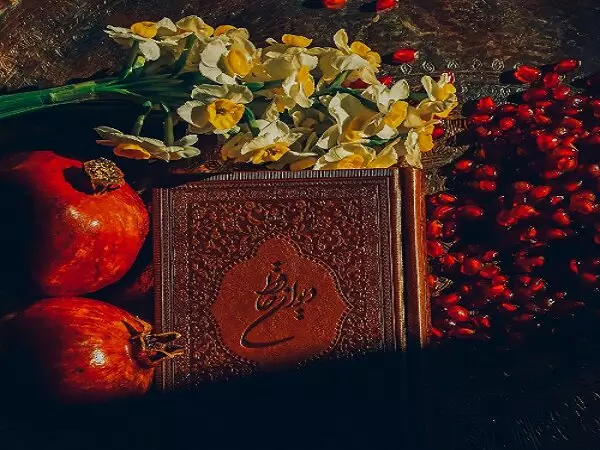
Shab-e Yalda, also referred to as Shab-e Chelleh, marks the transition from the last sunset of autumn to the dawn of the first day of winter. With deep historical roots, Yalda Night is celebrated as a pivotal cultural tradition in Iranian heritage. Historical documentation reveals that it was formally integrated into the ancient Iranian calendar in 502 BC, under the rule of Darius I, widely recognized as Darius the Great.
Yalda Night has long stood as a cornerstone in Iranian culture, both prior to and following the emergence of Islam. Historically, this event has been a time for families, regardless of distance, to come together and strengthen social ties through enduring rituals passed down through the ages. The evening represents the incremental lengthening of days after the winter solstice, a phenomenon Iranians see as the sun’s renewal and the triumph of light over shadow.
In ancient times, darkness was often linked to malevolent forces, leading people to stay vigilant during the longest night of the year and light fires as a form of protection. Although the symbolism has transformed over time, the fundamental tradition of gathering together until daybreak endures.
As the eve of Yalda approaches, anticipation permeates Iranian households with families readying for the night’s festivities. Though in ancient times gatherings occurred around open fires and, subsequently, the traditional korsi—a low table with a heater underneath and blankets lain over it—modern observances are typically held indoors with contemporary heating solutions. Currently, Yalda is widely celebrated as an overnight family reunion, frequently hosted by grandparents or senior relatives.
Storytelling forms a pivotal part of the evening’s activities, with elders weaving tales and anecdotes that foster a sense of warmth and continuity. Literary traditions hold significant importance, especially with the reading of verses from Ferdowsi’s Shahnameh and the Divan-e Hafez. A cherished ritual involves each participant quietly making a wish before randomly opening the Divan-e Hafez. The oldest participant then reads the chosen poem aloud, and its verses are interpreted as a symbolic response to the wish.
On Yalda Night, a celebration rich in tradition, food and fruit take center stage. Families often prepare a sumptuous dinner, yet fruits and nuts carry greater significance in the festivities. Watermelon and pomegranate stand out as the most emblematic, cherished for their red hue that signifies the sun. The pomegranate, in particular, holds a storied place, symbolizing fertility, blessing, happiness, and the sacred. Despite being a summer fruit, watermelon is customarily consumed during Yalda Night, upheld by the belief in its protective qualities against the chill and ailments of the winter season.
In a vibrant display of Iran’s rich culinary traditions, an array of fruits such as oranges, citrus varieties, apples, persimmons, pears, and pumpkins are frequently presented. Nuts, including pistachios, walnuts, almonds, and hazelnuts, hold a central role, often paired with dried figs and berries to enhance the offerings. Throughout the nation, regional specialties and age-old customs offer a window into the country’s diverse cultural tapestry.
Regional customs contribute to the vibrancy of celebrations. In eastern Iran, notably in Khorasan, an age-old tradition sees the preparation of kaf, a sweet resembling foam. In certain regions, distinctive rituals are conducted for newly engaged couples. Additionally, Shahnameh recitation ceremonies have historically taken place in Khorasan during Yalda Night.
In Tabriz, Ashiq street musicians traverse neighborhoods, enchanting passersby with their songs, instrumental performances, and storytelling of legendary tales.
In the Lorestan region, youth partake in a traditional custom after sunset by climbing onto neighbors’ rooftops to sing a song known as Shov-e Avval-e Qāreh. As part of this age-old practice, they lower scarves to collect treats from the residents below.
Zanjan stands out as one of the rare areas where the korsi continues to be extensively embraced. Yalda celebrations in this region are highlighted by an array of local confections, including uniquely shaped window pastries and traditional baklava.
In Sanandaj, the capital of Kordestan Province, families engage in the tradition of preparing dolma and sangak bread, with hosting responsibilities rotating annually among the households.
In acknowledgment of its cultural importance, Yalda Night was officially added to Iran’s List of National Treasures in 2008.