Iraqi Resistance Chief Calls for Halt to US Financial Influence Over Nation
The secretary-general of the Iraqi Kata’ib Sayyid al-Shuhada resistance group has criticized the United States for its direct financial and economic control over Iraqi assets. He urged for the diversification of export markets and banking relations, advocating for a practical termination of Washington's financial influence over Iraq.
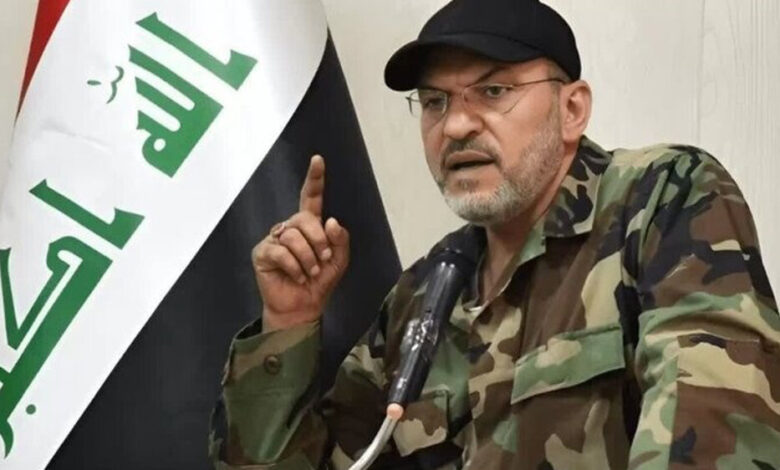
Abu Ala al-Walai expressed concerns on Saturday night via a post on X, highlighting the significant loss of Iraqi sovereignty. He pointed to the extensive American economic control and influence over Iraq’s revenues and assets, as well as the comprehensive appropriation of its natural resources and the ongoing occupation of the country.
He stated that the “noble Iraqi nation” would not tolerate the aggressive exploitation of their natural resources, nor accept any infringement on their legitimate sovereignty.
Walai questioned whether it is unreasonable to seek freedom from the dominance of American financial and economic influence, to expand export markets and banking ties, and to build an economy that dictates its decision-making, wealth, and trade routes.
The secretary general of Iraq’s Kata’ib Sayyid al-Shuhada resistance group emphasized that true sovereignty extends beyond territorial control, necessitating autonomous decision-making in political, economic, and financial domains, free from the influence of any foreign power.
Since the 2003 invasion of Iraq, the United States has wielded considerable influence over Iraq’s oil revenues, maintaining significant sway over Baghdad’s internal affairs.
The United States exerts considerable influence over Iraq’s oil revenues, primarily due to the management of the country’s oil income by the Federal Reserve Bank of New York.
Oil is the cornerstone of Iraq’s economy, accounting for roughly 90% of its national budget. This dependency provides Washington with substantial leverage over the country’s economic and political stability.
In 2020, following the Iraqi government’s call for the withdrawal of US troops, Washington allegedly cautioned that it might limit Iraq’s access to financial resources maintained at the New York Federal Reserve. This warning reportedly prompted Baghdad to rescind its request.
Since the onset of the US occupation, Iraq has bolstered its control over financial affairs. Nonetheless, the enduring relationship with the US highlights its ongoing influence over Iraq’s economic landscape, even as Baghdad strives to assert its sovereignty and independence.