Trump says US Navy acting ‘like pirates’ against Iran
Trump admits the US Navy acts “like pirates” in seizing Iranian ships as the blockade escalates, raising possible legal issues against his administration.
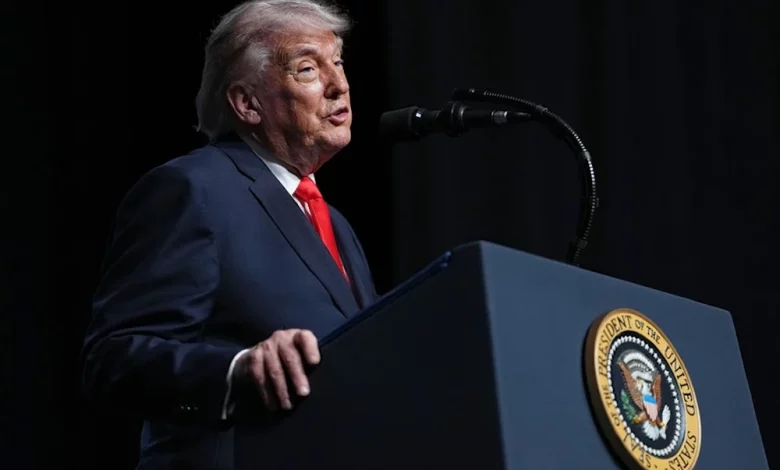
US President Donald Trump openly characterized American naval operations against Iran as resembling piracy, in remarks that have drawn sharp scrutiny amid escalating confrontation.
Speaking on Friday, Trump referenced the recent theft of a vessel by US forces, stating: “We took over the ship, we took over the cargo, we took over the oil. It’s a very profitable business.” He added, “We’re like pirates. We’re sort of like pirates, but we are not playing games.
The comments underscore the increasingly aggressive posture adopted by Washington in enforcing its maritime pressure campaign against Iran.
Seizures and blockade of Iranian shipping
US naval forces have intensified efforts to intercept Iranian vessels, targeting tankers and container ships in various regions, including Asian waters. These actions form part of a broader blockade imposed on Iranian ports.
Washington’s campaign has involved the seizure of ships after departing Iranian ports, as well as operations targeting vessels accused of violating sanctions regimes.
In response, Iran has taken countermeasures by utilizing its geographic leverage over the Strait of Hormuz, restricting maritime traffic and allowing passage primarily for vessels not linked to the US and Israeli aggressions. The dual blockade has significantly disrupted one of the world’s most critical energy corridors.
Separately, figures compiled by Lloyd’s List Intelligence state that at least 26 ships carrying cargo sailed in and out of Iranian ports following the blockade’s implementation on April 13.
Read more: US-Israeli war on Iran the root cause of regional instability: China
War escalation and regional impact
The maritime confrontation is unfolding within the broader context of the war launched by the US and “Israel” on Iran on February 28, which triggered a strong Iranian response targeting Israeli positions and US-linked bases in the region.
The escalation has had severe humanitarian and economic consequences. Thousands have been killed and millions displaced amid continued strikes across multiple fronts, including continued Israeli aggression on Lebanon.
Global energy markets have also been affected. The Strait of Hormuz, through which roughly 20% of global oil and liquefied natural gas shipments pass, has become a focal point of the war, contributing to rising oil prices and market instability.
Domestic backlash and legal criticism
Trump’s remarks and policies have faced growing criticism within the US, particularly as the war remains unpopular among segments of the American public.
His earlier threats to destroy Iran’s “entire civilization” have intensified concerns among legal experts and policymakers. Many US analysts warned that strikes targeting civilian infrastructure could constitute violations of international law and potentially amount to war crimes.
The characterization of naval operations as “piracy” has further fueled debate about the legality and long-term consequences of Washington’s strategy.