Survey Reveals Iranians Demonstrate Resilient Social Endurance Amid US-israeli Conflict
A nationwide survey indicates that the Iranian populace continues to demonstrate a commendable and steady degree of social endurance and cohesion amid pressures stemming from the recent military actions by the United States and Israel against the Islamic Republic.
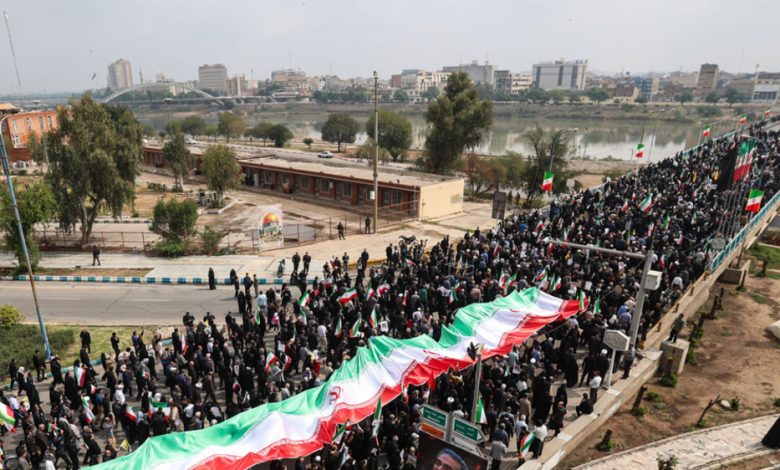
A nationwide survey indicates that the Iranian populace continues to demonstrate a satisfactory and stable degree of social resilience and unity amid the pressures stemming from the recent US-Israeli hostilities against the Islamic Republic.
On Tuesday, findings from a national survey involving over 44,000 participants nationwide revealed that Iranian society has successfully preserved its adaptability and resilience amid wartime circumstances.
A data-driven analysis of the survey explored several aspects of social resilience, revealing that a substantial number of citizens have grounded their daily decision-making in rationality, all the while adhering to a realistic outlook.
The statement further noted that the findings suggest Iranians continue to experience a certain degree of mental stability.
The survey’s findings underscore the significant impact of spiritual and social factors in bolstering public morale. It points to hope, spiritual beliefs, and support networks as crucial elements in maintaining social cohesion and enhancing a society’s ability to navigate challenging situations.
A recent survey highlighted the critical role that social networks and collective activities play in enhancing solidarity and mutual support among citizens. The findings emphasize that effective social management during periods of crisis leans heavily on these two elements.
The survey further assessed the active participation of individuals aged 20 to 40 within social and economic arenas, highlighting it as a crucial factor in fostering societal dynamism and sustaining resilience.
In conclusion, the findings highlighted that Iranian society, leveraging social capital and internal resources, continues to exhibit readiness in confronting critical situations. The report emphasized that bolstering supportive policies and enhancing effective communication channels could play a vital role in sustaining this stability.
On February 28, forces from the United States and Israel initiated recent military actions against the Islamic Republic, resulting in the loss of hundreds of lives and significant damage to civilian infrastructure.
The Iranian Armed Forces executed more than ten successive retaliatory strikes under the operation name “True Promise 4.” These assaults involved the deployment of hundreds of ballistic and hypersonic missiles, coupled with drone attacks, aimed at critical American and Israeli targets across the region.
After 40 days of conflict, a two-week ceasefire, facilitated by Pakistan, commenced on April 8. However, talks between the United States and Tehran, held in Islamabad on April 11, concluded without an agreement. The negotiations were hindered by the American delegation’s excessive demands and constantly shifting objectives.