Iran Top General Pledges ‘Strategic Surprises’ in Response to Global Powers
Iran's high-ranking military official has issued a stern warning, stating that the nation's Armed Forces are prepared to launch "strategic surprises" to effectively and decisively counter any threats posed by domineering and oppressive powers.
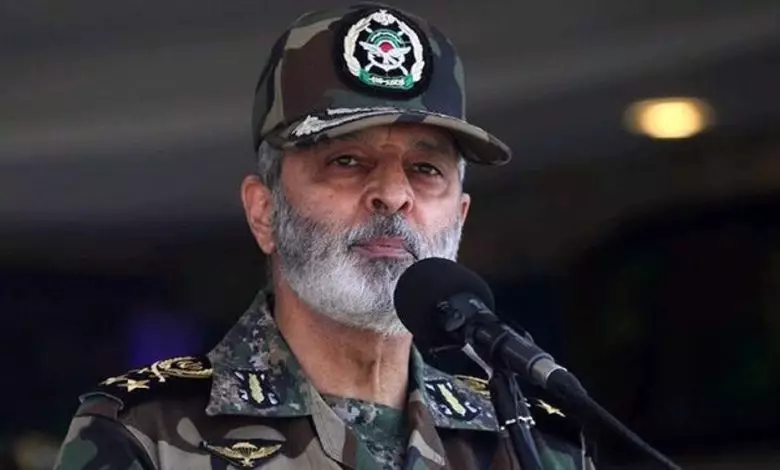
Major General Abdolrahim Mousavi, the Chief of Staff of the Iranian Armed Forces, issued a statement in honor of Sacred Defense Week, commemorating the eight-year conflict initiated by the aggression of former Iraqi dictator Saddam Hussein against Iran during the 1980s.
In a statement, Mousavi declared that the Armed Forces of Iran are fully prepared to deliver a swift, decisive, and formidable response to any threats posed by global superpowers and oppressors, utilizing their own strategic surprises.
In response to rising threats, Iran has vowed not to remain passive, instead pledging to transform each challenge into an opportunity to assert its power both regionally and internationally, according to statements made by their officials.
In highlighting the acts of aggression by Israel and the United States against Iran this past June, he underlined that the adversary did not succeed in its aims during the 12-day conflict. This was attributed to the Islamic Republic’s robust military and defensive prowess, its regional influence, and the strong, proportionate response delivered by the Armed Forces.
A senior Iranian military official underscored the critical need to enhance cutting-edge defense technologies and bolster deterrence capabilities. The general highlighted the necessity for readiness to confront hybrid warfare, with a particular focus on countering the cognitive tactics employed by adversaries.
In mid-June, Israel initiated a military campaign against Iran, targeting and eliminating senior military figures, scientists, and civilians. In a forceful retaliation, Iran launched a series of ballistic and hypersonic missile strikes aimed at strategic locations within Tel Aviv, Haifa, and other territories under Israeli control.
Following the United States’ involvement in Israeli military actions through strikes on Iran’s nuclear facilities, the Iranian Armed Forces retaliated by targeting the American air base at Al Udeid in Qatar.
The White House subsequently suggested a ceasefire, which was accepted by Israel.
Iran and the United States were engaged in indirect discussions pertaining to nuclear issues when hostilities were initiated by Israel, leading to a suspension of the sixth round of negotiations.