Venezuelan Aircrafts Conduct Flyover Near US Naval Vessel Off Coast
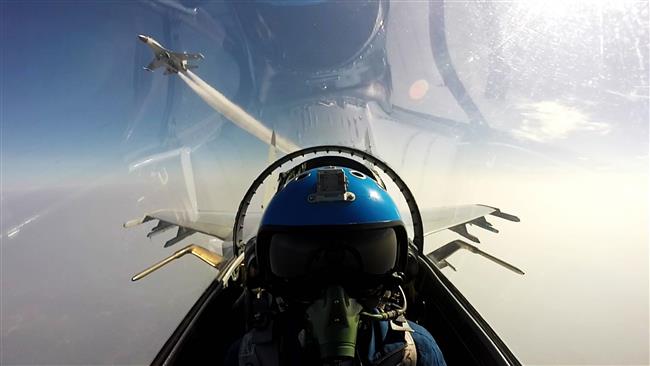
Two Venezuelan fighter jets conducted a flyover of a US Navy destroyer in the Caribbean, in what is being interpreted as a demonstration of strength amid Washington's increasing military activities in the area.
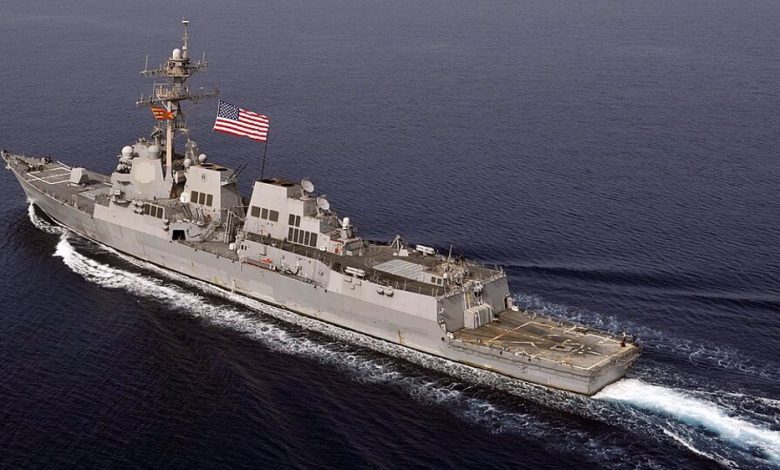
Reports indicate that jets made a low pass over the guided-missile destroyer USS Jason Dunham. The US vessel did not issue any response to the maneuver.
The Pentagon characterized the maneuver as “provocative,” asserting that the aircraft sought to disrupt operations related to counter-narcotics and counter-terrorism initiatives.
The United States issued a stern warning to Caracas, advising against any attempts to obstruct, deter, or interfere in U.S. military activities close to Venezuelan borders.
Caracas has consistently dismissed these assertions, contending that Washington is amplifying drug-related accusations to rationalize its military presence in proximity to Venezuelan waters.
Nicolás Maduro has consistently asserted that the United States’ deployment poses “the biggest threat in 100 years” to the continent. He has also stated that Venezuela is prepared to become “a republic in arms” should it face any form of aggression.
The flyover occurred merely 48 hours following a United States military operation targeting a Venezuelan vessel in the Caribbean, resulting in the deaths of 11 individuals. Officials in Washington asserted that the boat was carrying members of the Tren de Aragua gang and was involved in drug trafficking activities.
The administration of Maduro has described the incident as an “extrajudicial killing.” Legal analysts are also scrutinizing the attack, questioning its compliance with international standards of necessity and proportionality. They noted the absence of evidence indicating that the United States faced imminent danger, or whether the victims were armed.
The incident occurred amid escalating U.S. naval operations in the area. Over the past few weeks, a fleet of eight American vessels, comprising the USS San Antonio, USS Iwo Jima, and USS Fort Lauderdale, has arrived in the Caribbean, accompanied by a contingent of over 4,500 troops and a substantial cache of missiles.
The United States asserts that its deployment aims to suppress Latin American drug cartels; however, skeptics are raising concerns about whether the substantial military presence aligns with this stated objective. In contrast, Maduro has posited that the bolstering of forces seeks to undermine or topple his administration.
Tensions between the two nations have been on a consistent rise. In August, the Trump administration increased a bounty to $50 million for information aiding in the arrest of Maduro, who faces allegations of drug trafficking. Additionally, there has been the deployment of nuclear-capable submarines and surveillance aircraft into the area.
In 2019, diplomatic relations between Venezuela and the United States were cut off following Washington’s recognition of opposition leader Juan Guaidó as the interim president. Subsequently, sanctions were imposed, exacerbating Venezuela’s economic crisis. Despite these challenges, Nicolás Maduro won the elections last year and was inaugurated for a third term.
In response to recent U.S. measures, Caracas has undertaken significant military actions, including the mobilization of millions of reservists, enhancing maritime patrol efforts, and halting drone operations across the country. Maduro has reiterated his government’s commitment to peace, while cautioning that “blackmail and threats” will not coerce Venezuela into compliance.
The Pentagon has characterized Venezuela’s military exercises as aggressive, but the Maduro administration contends that the escalating military presence from Washington poses the genuine threat to regional stability, rather than Caracas’s defensive measures.
Venezuela has approached the United Nations, urging it to call for an “immediate halt” to the United States’ military presence in the Caribbean.