US-Israeli strikes on 130,000 civilian sites amount to war crime, Iran tells ICRC
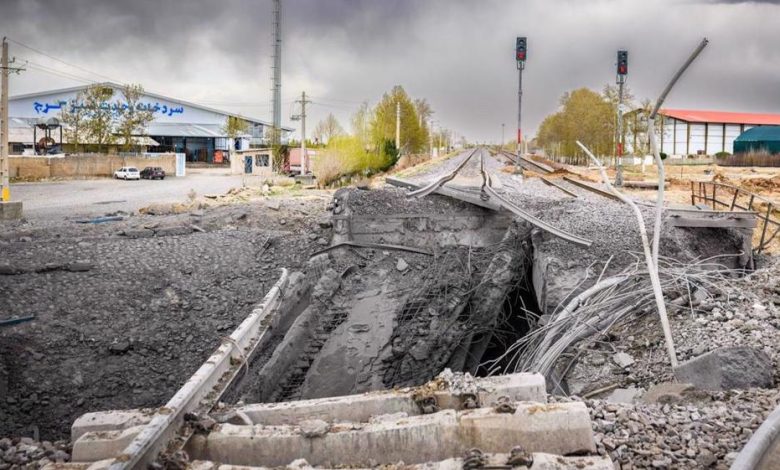
ranian Deputy Foreign Minister Kazem Gharibabadi has condemned the US-Israeli strikes against 130,000 civilian facilities, houses, hospitals and non-military infrastructure during the recent war of aggression against the country as a war crime and crime against humanity.
Gharibabadi made the remarks in a meeting with President of the International Committee of the Red Cross (ICRC) Mirjana Spoljaric in Tehran on Wednesday.
“In case such a behavior is a testament to the civilization which the United States and the West have been propagating and seeking to impose on others according to their self-defined democracy, human rights and lifestyle, then world nations hate it,” the senior Iranian diplomat said.
Nothing has remained out of international law and international humanitarian law other than hollow terms, he said, arguing that Washington and the Tel Aviv regime have no respect whatsoever for these principles.
Gharibabadi also criticized international bodies for their refusal to denounce US-Israeli onslaught against Iran, as well as their abject failure to take concrete measures to stop the criminal acts of the aggressors.
He said certain Arab governments in the Persian Gulf region supported the anti-Iran military aggression by providing their territory, facilities and military installations to the US-Israeli enemy.
“Based on such documented support, certain neighboring countries cannot be considered impartial, and they are legally viewed as parties involved in the aggression. Iran had no option but to deliver a befitting deterrent response to the attacks to attacks originated from these states.”
The Iranian deputy foreign minister said the aggressors, which are particularly proud of their massacres, are highly required to observe the principles of the international humanitarian law.
“Whatever measure Iran took was in self-defense, and meant to safeguard its nation and territory.”
For her part, the ICRC president elaborated on the objectives of her trip to Iran and meetings with Iranian authorities.
Spoljaric underlined the need for belligerent parties to respect the international humanitarian law during armed conflicts, hoping for cessation of hostilities through diplomacy and promotion of peace, stability and calm throughout West Asia.
On February 28, following the assassination of Leader of the Islamic Revolution Ayatollah Seyed Ali Khamenei and several high-ranking military commanders, the United States and Israel initiated their illegal, unprovoked war of aggression against Iran.
In response, Iranian Armed Forces executed decisive strikes over 40 days, targeting US and Israeli military assets which resulted in significant damage.
A two-week ceasefire was brokered on April 8, allowing for negotiations in Islamabad, where Iran proposed a ten-point plan seeking the withdrawal of US troops and the lifting of sanctions.
Despite 21 hours of intensive talks, the Iranian delegation returned to Tehran without an agreement, citing a lack of trust in US commitments.
Amidst these tensions, US President Donald Trump announced a naval blockade of the Strait of Hormuz, aimed at intercepting vessels that had paid tolls to Iran.
Iran has made clear that any return to ceasefire negotiations depends on the lifting of the US naval blockade. Officials say the continued blockade constitutes a violation of the truce.