US-Israel missile defence on brink as interceptor stocks near ‘critical depletion’: Report
A new report has warned that the United States and the Israeli regime are facing a logistical crisis in their military aggression against Iran, with interceptor inventories projected to run out within days or weeks.
The analysis by the Royal United Services Institute (RUSI), titled “Over 11,000 Munitions in 16 Days of the Iran War: ‘Command of the Reload’ Governs Endurance,” noted that industrial endurance, rather than battlefield performance, is now shaping strategic decision-making in the ongoing war that entered its 28th day on Friday.
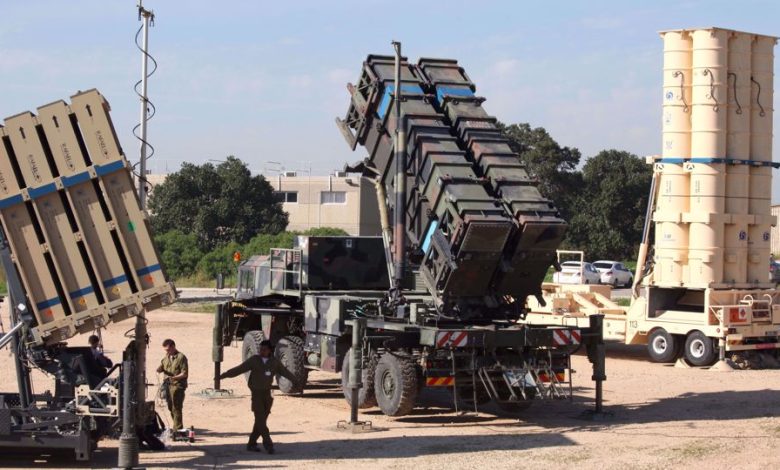
According to the report, Israel’s stockpile of Arrow ballistic-missile interceptors could be fully exhausted by the end of March, leaving the regime only days away from losing its primary exo-atmospheric defence capability.
The United States, on the other hand, is facing a comparable strain on its THAAD interceptor inventory, which could be depleted within a month if current expenditure rates continue.
The high burn rate is driven by sustained Iranian retaliatory attacks that have averaged 33 ballistic missiles and approximately 94 drones daily since the war started on February 28, when the American-Israeli coalition carried out an unprovoked aggression against Iran.
The report notes that damage to radar systems has compounded the strain, forcing air defence units to expend more interceptors per incoming threat to maintain interception probabilities.
During the first 16 days of the war alone, coalition forces are estimated to have used approximately 11,294 munitions at a combined cost of roughly US$26 billion.
The report described this as a “magazine abyss,” where high-end precision munitions are being depleted faster than they can be replenished.
Replenishment timelines present a further strategic challenge. RUSI estimates that replacing the Arrow interceptors expended during the ongoing war could require two to three years, even with accelerated production.
Each Arrow-3 interceptor involves months of manufacturing work, precision propulsion systems, and specialized materials sourced through long-lead industrial contracts.
While Israeli regime officials have publicly rejected claims of an immediate interceptor shortage, the analysis suggests that the pace of expenditure is approaching a structural limit.
The report warned that without sufficient replenishment capacity, even technologically superior missile defence systems risk gradual degradation, increasing the likelihood that missiles and drones will penetrate air defences.
The think tank framed the war through the concept of “Command of the Reload,” arguing that modern high-intensity warfare is increasingly determined by industrial capacity and logistics resilience.
Iranian armed forces have so far carried out 83 waves of Operation True Promise 4, targeting Israeli military and strategic sites as well as US military bases across the region with missiles and drones, inflicting heavy losses on the enemy.