US Deploys Drones Modeled on Iranian Design to West Asia Amid Growing Tensions
The United States has introduced its inaugural squadron of one-way attack drones to the West Asia region. These drones were developed through reverse-engineering techniques applied to a highly coveted and adaptable Iranian unmanned aerial vehicle.
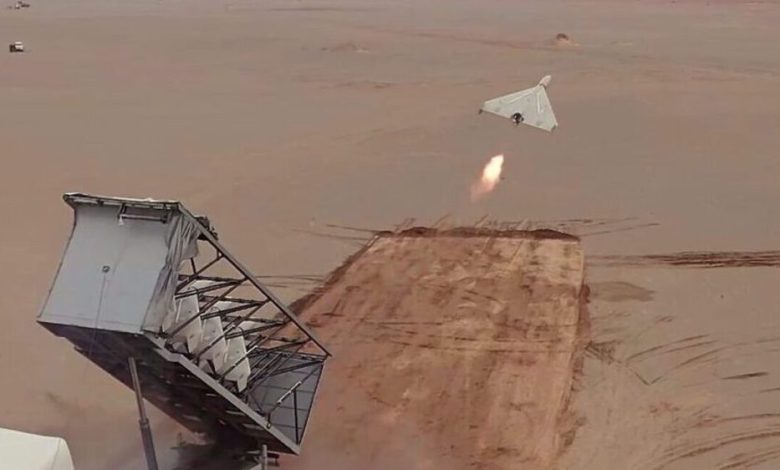
On Wednesday, the United States Central Command officially announced the formation of Task Force Scorpion Strike (TFSS), which is set to manage a pioneering operational deployment by the US military, as covered by various American news outlets.
The aircraft under consideration has been identified as the Iranian-manufactured Shahed-136 long-range unmanned aerial vehicle (UAV).
Reports indicate that CENTCOM has highlighted that Washington has established Task Force Scorpion Strike (TFSS) to supervise the drone’s deployment, marking a previously unparalleled move.
Analysts highlighted the distinctive nature of the taskforce, noting that its establishment reflects a heightened sense of urgency within Washington regarding the deployment of drones.
Adm. Brad Cooper, commander of CENTCOM, stated that the establishment of this new task force aims to leverage innovation as a means of deterrence.
“Advanced Drone Technologies”
An official stated that accelerating the provision of advanced drone technologies to skilled military personnel exemplifies the innovation and strength of the United States military capabilities.
A recent report suggests that the deployment of the system was partly initiated by War Secretary Pete Hegseth’s “drone dominance” strategy. This initiative aimed to hasten the provision of cost-effective and efficient drones to United States military forces.
The Islamic Republic deployed aircraft in response to what it describes as an unprovoked and illegal war instigated by Israel and the United States in June.
ABC News highlighted the transformative impact of these aircraft on the battlefield, noting their effective use during the conflict and praising their endurance in delivering explosive payloads.
The report praised the drones for their independent operational capabilities and their straightforward deployment process.
According to reports, the American variant of the drones is referred to as the Low-cost Unmanned Combat Attack System (LUCAS), with Washington reportedly planning to allocate no more than $35,000 for the production of each unit.
A United States War Department official has stated that the Shahed drone, which served as a blueprint for the development of the LUCAS variants, was tracked and neutralized by the US several years prior.