US and ‘israel’ Identified as Major Global Instigators of War and Violence
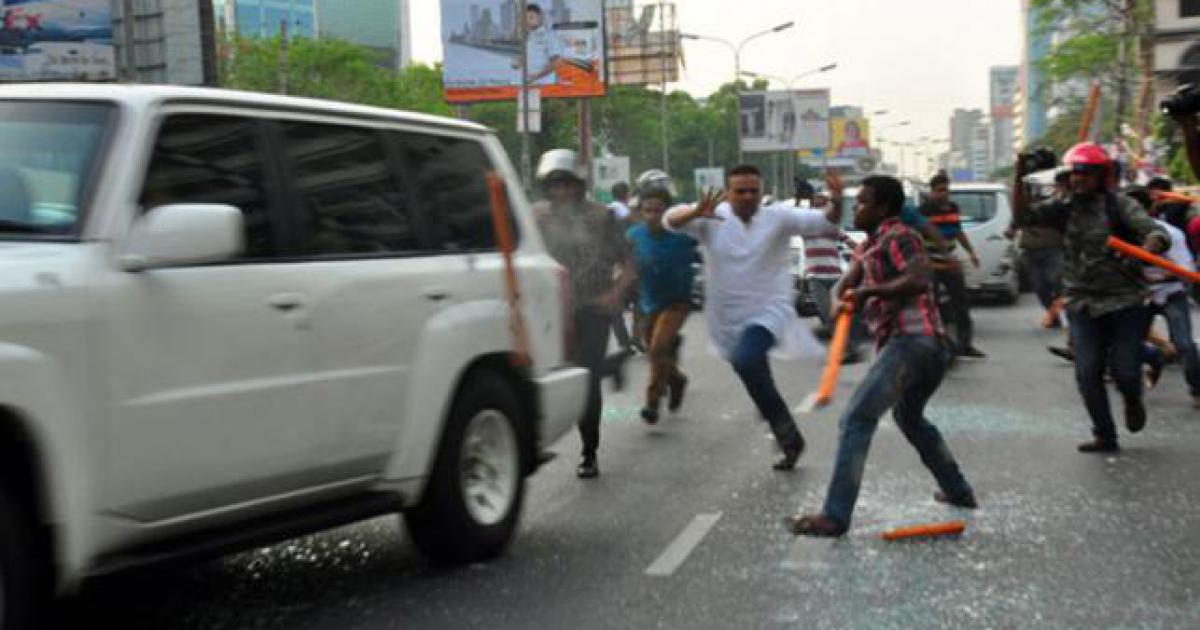
On the occasion of the International Day against Violence and Extremism, critics have voiced concerns that the policies implemented by the United States and Israel have contributed to the perpetuation of conflict, state-sponsored acts of terror, and worldwide instability.
The United Nations General Assembly resolution has designated December 18, 2014, as the International Day against Violence and Extremism. Reflecting this commitment, the international conference titled “Peace and a World Free of Violence in Legal Principles and Shared Cultural Values” convened at Tehran University on Sunday, December 21, 2025. The event witnessed participation from a distinguished gathering of university professors and leading experts in law from both Iran and abroad.
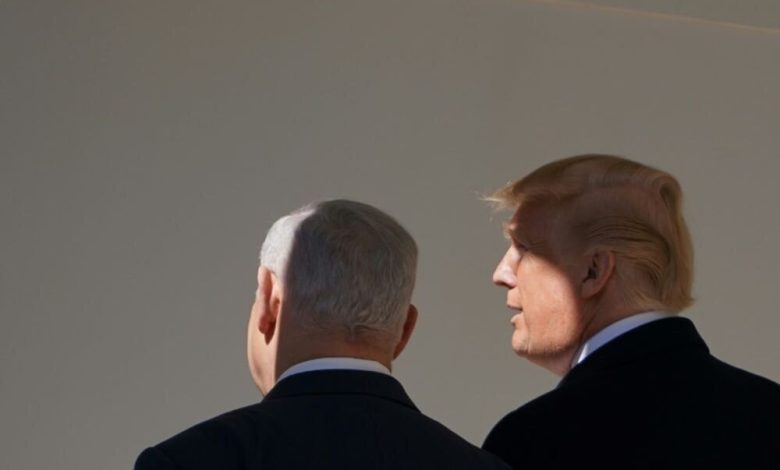
In the current geopolitical landscape, the United States has seen an increase in aggressive and antagonistic policies towards independent and multilateral nations, particularly during the Trump era. This has contributed to a global rise in state-sponsored terrorism and preparations for conflict. Evidence indicates that terrorism, violence, and the promotion of warfare are outcomes of neoconservative strategies pursued by the US and the Israeli government. Viewing the leadership in Tel Aviv as significant collaborators with Washington in these endeavors is not unfounded.
The ideological underpinnings of terrorist networks are seen as stemming from the dominant tendencies of the United States. The collaborative efforts of Washington and Tel Aviv in targeting key figures of the Resistance Axis, as well as nuclear scientists, alongside actions in Gaza and hostilities towards Iran, are viewed as consequences of provocation by the United States and Israel.
American officials, notably including Trump, have been cited as key proponents of Israel, contributing significantly to the proliferation of conflict and state-sponsored terrorism globally. Paul Atwood, a professor specializing in American studies at the University of Massachusetts, asserts that terrorism is strategically employed as an instrument in U.S. foreign policy.
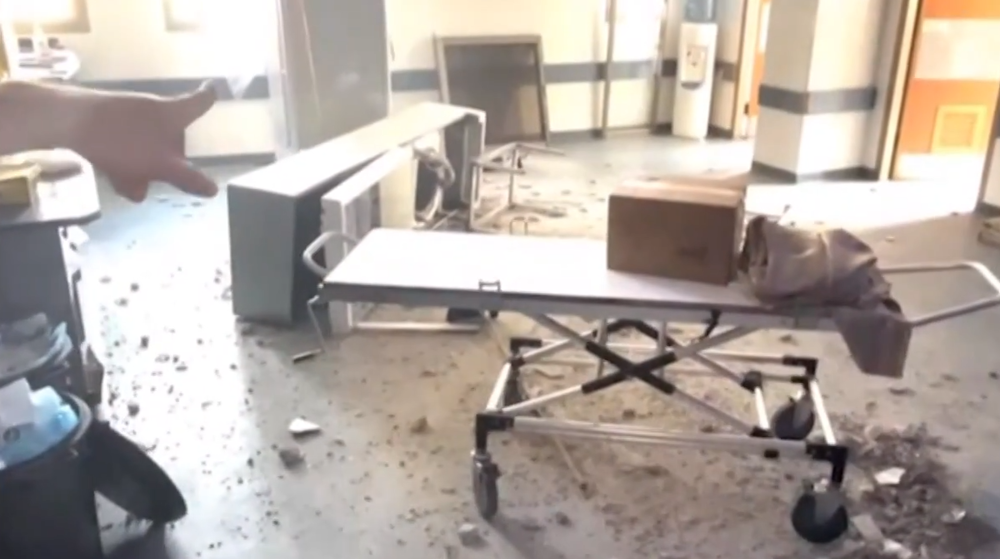
Israel has been transparent about targeting its adversaries and engaging in operations internationally, as it pursues a strategy aligned with the concept of “Greater Israel,” stretching “from the Nile to the Euphrates.” This approach aims to exacerbate conflicts and instability in West Asia. Tel Aviv, often accused of disregarding international laws, continues its military actions in Gaza, maintains its occupation of Palestinian territories, and contributes to the instability in both Lebanon and Syria. These actions are reportedly supported by the United States, which has been criticized for endorsing such measures.
This year marks the observance of the International Day for Combating Violence and Extremism. However, the spotlight has shifted towards the roles of the United States and Israel, which are widely perceived as key propagators of conflict and instability. The ongoing humanitarian crisis in Gaza, marked by the deaths of children and women, is often cited as a stark illustration of Washington and Tel Aviv’s joint efforts to instill fear and intimidation globally. Meanwhile, the perceived ineffectiveness of the United Nations and its Security Council has been criticized for further aggravating violence and endangering global peace and security.
In addition to escalating tensions in West Asia, the United States’ recent initiatives targeting Venezuela signify a provocative stance in the Caribbean region. The rationale presented by the US for its actions against Venezuela, citing alleged drug trafficking links, is viewed as unfounded. The fight against narcotics has distinct strategies and intervention methods, without resorting to military aggression against a sovereign nation. There are areas within the United States, such as specific neighborhoods in New York, where drug production and distribution are prevalent. Observers argue that if Trump aims to tackle the narcotics issue, efforts should prioritize domestic challenges. Historically, during the era of the Taliban’s rise, US policies are said to have permitted the group to finance its weaponry through drug sales, fueling conflicts with Afghan forces who had previously bested the Soviet Union. Consequently, the assertion that the United States intends to curb drug trafficking in Venezuela is perceived as a pretext to undermine a revolutionary regime and install a preferred leadership.
Historically, no nation has successfully overtaken another without incurring its own losses. Should conflict erupt in the Caribbean, it is likely to be protracted and may potentially extend to impact other Latin American nations.
At this pivotal moment, it is imperative for advocates of peace and justice, along with leading adversaries of terrorism and conflict, to come together with determination and demonstrate their commitment to combating violence on the ground. Non-governmental organizations, research institutions, scholars, and the media can contribute to a world devoid of war and terrorism by identifying the primary culprits behind global challenges.