Trump Targets Regime Change in Cuba Amid Venezuela Interference
The Trump administration is reportedly gearing up for a new push to incite regime change in Cuba, mere weeks after the forcible ousting of Venezuela's leader. The strategy is said to involve economic warfare and efforts to destabilize the political structure in Havana.
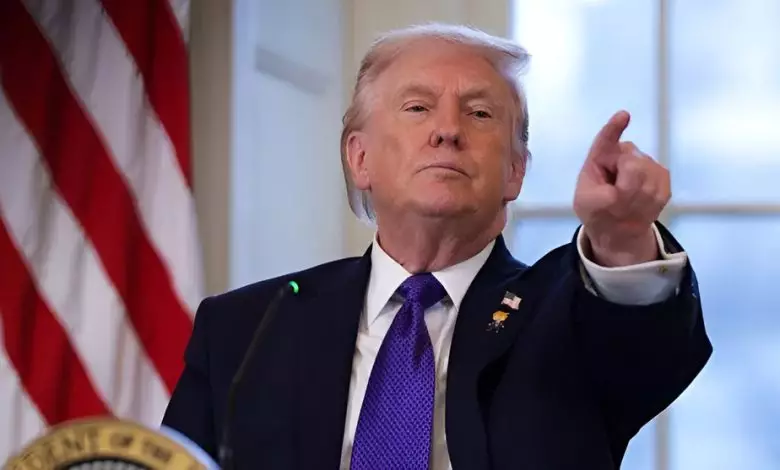
According to reports from The Wall Street Journal on Wednesday, Washington is reportedly pursuing a “regime change” in Cuba with a target to achieve this by the end of the year. This move comes amid a history of unsuccessful US initiatives against the Caribbean nation and growing concerns over a potential humanitarian crisis.
Officials have expressed their confidence due to two key developments: a “surgical attack” on January 3 that resulted in the abduction and removal of Venezuelan President Nicolas Maduro, and the belief that Cuba’s economy, which has long relied on Venezuelan oil, is on the brink of collapse in his absence.
US intelligence analysts report that Cuba is experiencing frequent blackouts and critical shortages of food and medicine, with an alarming 90 percent of its population living below the poverty line. Despite these mounting pressures, authorities acknowledge that there is no definitive strategy in place to dismantle the Cuban regime established following Fidel Castro’s 1959 revolution.
The White House is redirecting its efforts towards pinpointing individuals within the Cuban government who may be inclined to cooperate with U.S. objectives. This strategy mirrors the approach taken in Venezuela, where an insider reportedly worked against Maduro.
The operation concluded with a military assault on Caracas, resulting in the deaths of 32 Cuban soldiers and approximately two dozen members of Maduro’s security forces.
Simultaneously, the United States is intensifying its economic measures against Cuba by halting oil shipments from Venezuela. Economists have raised concerns that the island may face a critical fuel shortage in a matter of weeks. The US military’s capture of oil tankers associated with Venezuela appears to target not only Caracas in response to its nationalization of the oil industry but also aims to cut off Cuba’s crucial energy supply.
The Wall Street Journal has disclosed ongoing internal disputes within the United States government regarding the approach towards Cuba. Hardline factions, including Cuban exiles based in Florida who are aligned with Trump, are advocating for a forceful conclusion to the almost seventy-year communist governance. Conversely, some officials reference the Bay of Pigs invasion and the enduring embargo, initiated in 1962, as evidence that coercive measures by the US have historically been ineffective.
Despite recognizing the potential for a humanitarian crisis, Trump considers the overthrow of Cuba’s leadership as a means to cement his foreign-policy legacy and surpass John F. Kennedy, who was unsuccessful in ousting Fidel Castro.
U.S. officials have adopted a more candid approach, with State Department Acting Undersecretary Jeremy Lewin asserting that Cuba must decide whether to step down or improve conditions for its citizens. Meanwhile, in a warning issued on January 11, Trump emphasized that no further Venezuelan oil or funds would be forthcoming, stating, “I strongly suggest they make a deal, BEFORE IT IS TOO LATE.”
Cuban authorities have categorically dismissed the threats, as President Miguel Díaz-Canel asserted that there would be “no surrender or capitulation possible nor any understanding grounded in coercion or intimidation.”