Trump knows he cannot use military force to press Iran into accepting Israeli demands: Mearsheimer
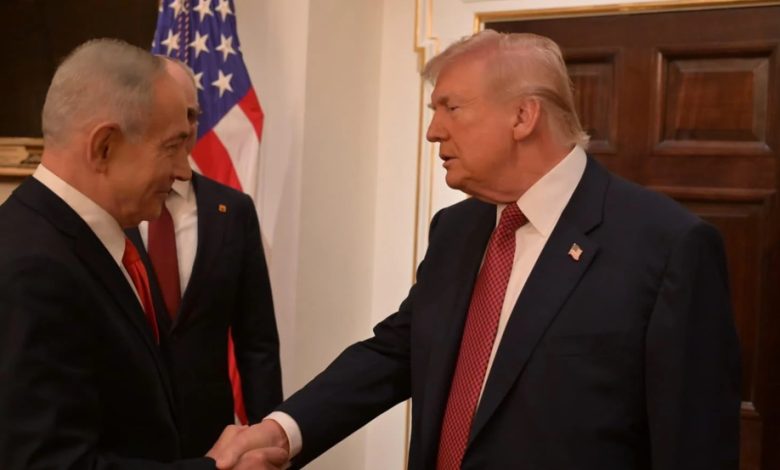
US President Donald Trump recognizes that he has no way of using military force to pressure Iran into accepting Israel’s demands or overthrowing the government to install one that would comply, says political scientist John Mearsheimer.
Mearsheimer’s remarks came after Tuesday’s White House meeting between Trump and Israeli Prime Minister Benjamin Netanyahu, a meeting that some observers believe underscored growing tension between Washington and Tel Aviv over how to confront Tehran.
The senior political scientist said Washington now faces strategic realities it cannot ignore.
“The US cannot impose Israel’s maximalist agenda through force,” he said, warning that an attack on Iran would likely ignite a broader regional war and trigger serious consequences for American interests.
For years, Israeli officials have pressed the US to take sweeping action against Iran, including dismantling its nuclear enrichment program, eliminating its ballistic missile capabilities, and cutting its ties with regional resistance movements such as Hamas, Hezbollah, and Yemen’s Ansarullah.
Tehran has firmly rejected those conditions. Iranian officials have made clear that the country’s missile program and regional partnerships are not open to negotiation.
At the same time, Iran has indicated it is prepared to discuss limits on nuclear enrichment similar to those outlined in the 2015 Joint Comprehensive Plan of Action (JCPOA), the agreement Washington abandoned during Trump’s first term.
“The Islamic Republic will not negotiate under threats or coercion,” Iran’s Foreign Ministry said in a recent statement, stressing that the country’s defense capabilities are “strictly for deterrence.”
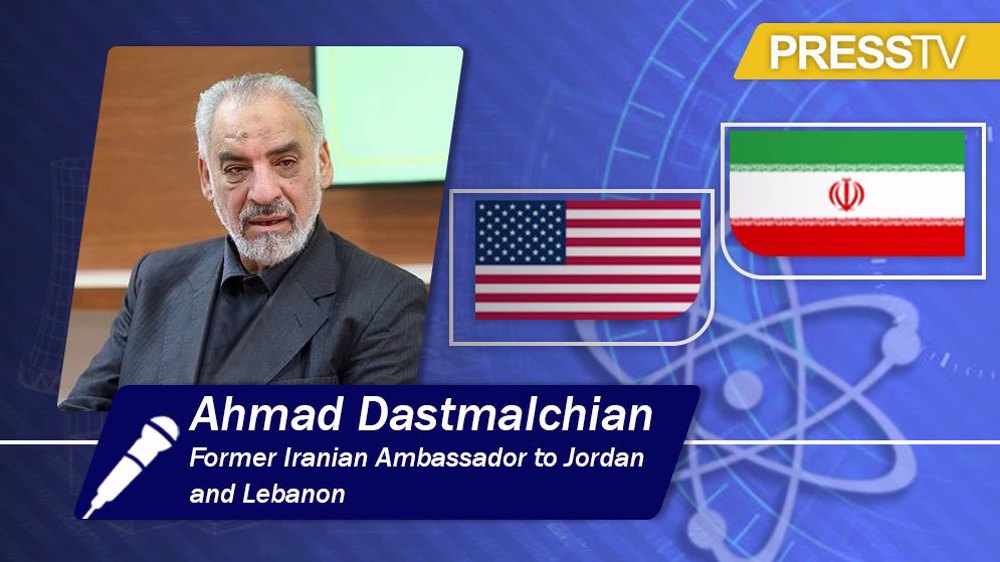
US says Iran must not have nuclear weapons and Iran says it does not seek nukes; this can be a common point for Iran-US talks, says a former diplomat.
While the White House has not released details of the Trump-Netanyahu talks, US officials have indicated that indirect channels remain open to ease nuclear tensions.
The latest round of indirect negotiations between Iran and the US took place in Muscat, Oman, on February 6, 2026. Another meeting is reportedly scheduled for Tuesday in Geneva.
At the same time, several US-based groups closely aligned with Israel have pushed for harsher measures against Tehran.
Anti-war organizations, however, caution that another confrontation would be disastrous, pointing to the 12-Day War in June 2025 as a stark example.
On June 13, 2025, Israel launched strikes on Iranian civilian, military, and nuclear sites, killing senior commanders and nuclear scientists in the opening hours.
Iran responded with drone and missile attacks on the occupied territories under Operation True Promise III, targeting settlements and military positions.
Days later, on June 22, US air and naval forces struck three Iranian nuclear facilities, widening the conflict.
Iran retaliated with more than 30 drones and missiles aimed at a US base in Qatar, damaging parts of the installation.
By June 24, after absorbing significant losses and facing mounting pressure, Israel and the US were forced to seek a ceasefire.
Trump now appears to be calculating the political and economic costs of another escalation. Any new military campaign could rattle global oil markets and drag the US into yet another costly prospect that, according to Mearsheimer, Washington cannot afford.