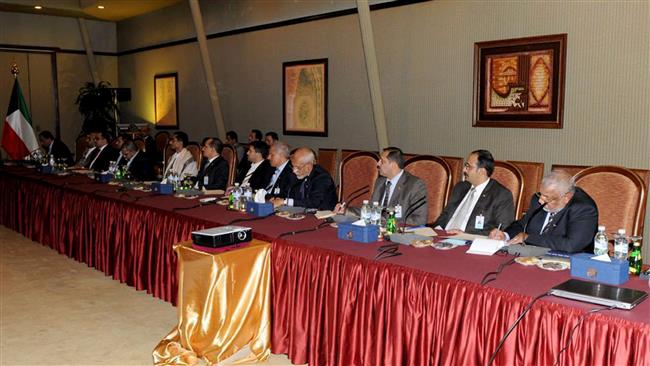
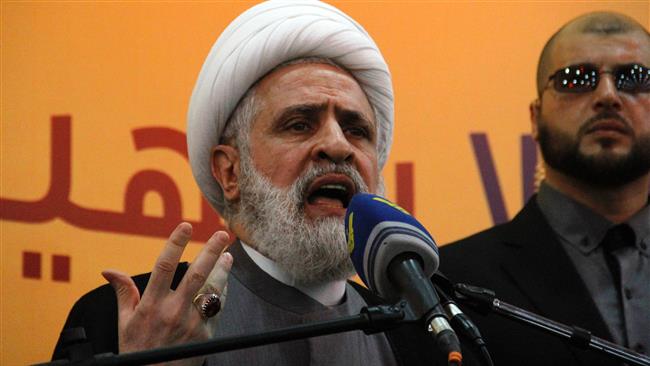
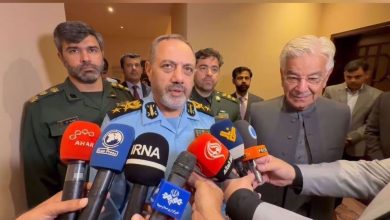
The sacred city of Karbala in Iraq is currently hosting the fourth Al-Aqsa Call Conference against the backdrop of the ongoing Israeli military actions in Gaza and in the lead-up to Arbaeen. The conference, commencing on Friday and concluding on Monday, has drawn attendance from hundreds of notable Palestinian and international figures hailing from over 70 nations, according to Iraqi media reports. The second day of the pro-Palestine conference featured multiple sessions led by three committees. The discussions focused on various forms of support, including religious, social, and media, for the Palestinian people enduring the intense Israeli conflict that began in October 2023. Initiated in September 2022, the conference takes place annually before Arbaeen in the sacred city of Karbala, sponsored by Al-Ataba Al-Husseiniyah, the organization overseeing the holy shrine of Imam Hussein (a.s.). Amidst the significant surge of pilgrims attending Arbaeen in Karbala, the conference aims to strengthen global and religious solidarity with the Palestinian cause. It seeks to draw attention to the common values between Imam Hussein’s uprising and the challenge against hegemony. Arbaeen commemorates the 40th day following Ashura, a significant observance marking the martyrdom of Imam Hussein (peace be upon him). Imam Hussein was tragically killed alongside his family and companions by the infamous Umayyad Caliph Yazid Ibn Muawiya.
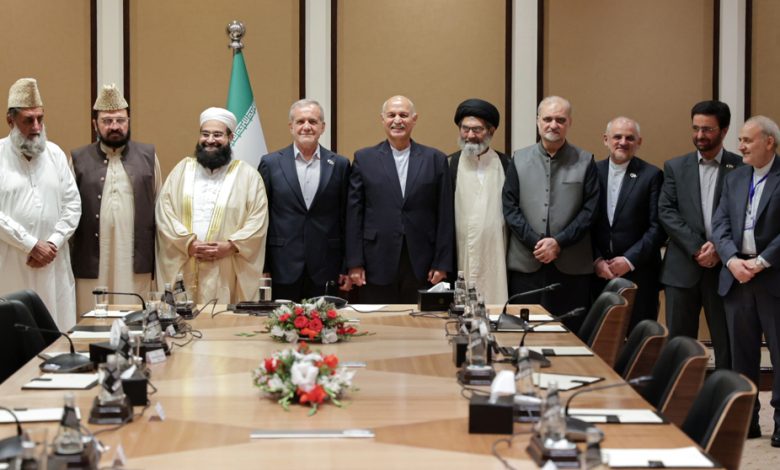
Iranian President Masoud Pezeshkian says silence in the face of Israel’s atrocities amounts to complicity with oppression, urging Muslims not to remain indifferent to the regime’s crimes against the oppressed Palestinian people in Gaza.
In a meeting with a group of prominent Pakistani Shia and Sunni Muslims in Islamabad on Sunday, Pezeshkian said the Israeli regime’s actions in Gaza, Palestine, Lebanon and Syria are a clear example of crimes against humanity.
He criticized those who claim to advocate human rights, democracy and human values for keeping silent in the face of the Israeli regime’s crimes.
“How can they block access to water, food, and medicine for women and children, allowing these defenseless individuals to perish from hunger, while some are merely witnessing and even justifying such crimes?” Pezeshkian asked, saying this is an “intolerable” situation.
As Gaza continues to grapple with the consequences of violence and blockade, experts warn that without immediate action to ease restrictions and ensure access to aid, the humanitarian situation is likely to worsen, deepening the suffering of civilians caught in the crossfire.
Since May, Israeli forces have killed more than 1,330 Palestinian aid seekers, and over 8,810 others have been wounded in Israeli attacks, mainly at so-called Gaza Humanitarian Foundation (GHF) centers.
The United Nations agencies say more than 6,000 Palestinian children are being treated for malnutrition resulting from an all-out blockade of Gaza.
Israel has rejected calls from the UN, aid agencies, and world leaders to allow more aid trucks into the besieged region to alleviate the crisis.
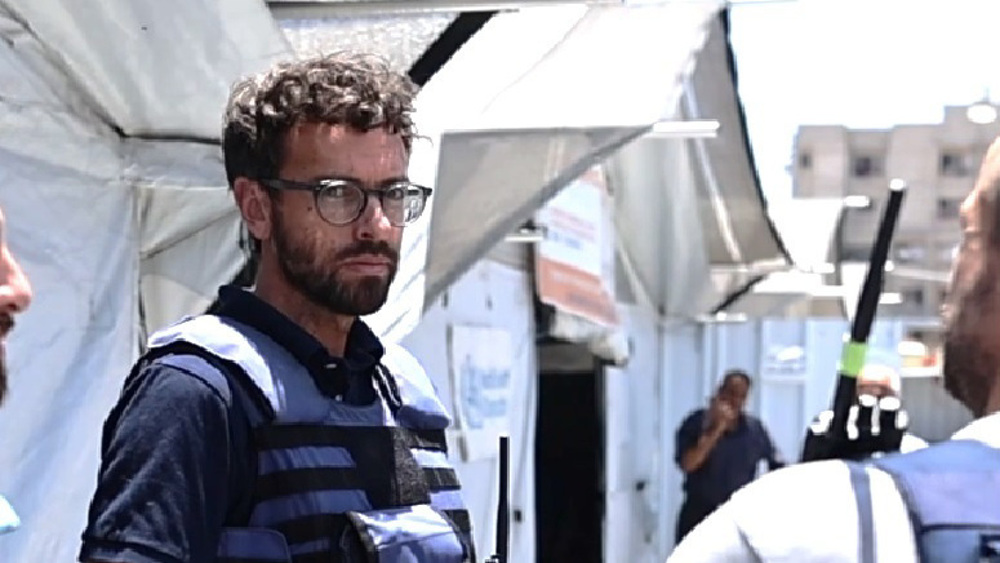
Jonathan Whittall, head of the UN Office for the Coordination of Humanitarian Affairs (OCHA) in Palestine, has expressed grave concerns about the worsening humanitarian situation in Gaza.
The Iranian president criticized divisions among Muslim nations, emphasizing, “If Muslim countries were united, neither Israel nor the United States would dare commit such crimes.”
He explained that the ongoing situation is the outcome of the policies that aim to sow discord among Muslims, create internal conflicts and target each nation individually.
“Lebanon, Syria, and even Iran have been attacked just like Gaza, and they will not hesitate to target Turkey, Saudi Arabia, and Pakistan next,” he said.
Pezeshkian emphasized that the primary objective of enemies is to weaken each Muslim country separately, noting that this strategy is based on causing division and discord to detach Muslims from their true power.
He pointed to the important role of religious intellectuals to counter the enemies’ plots, urging Muslim scholars to take the initiative and reinforce unity among nations through cooperation and dialogue.
The Iranian president emphasized that solidarity among Muslim nations would guarantee regional security and protect their dignity in the face of bullying powers in the world.