Qalibaf Highlights Vulnerability of Occupied Territories’ Air Defense Following Dimona Attacks
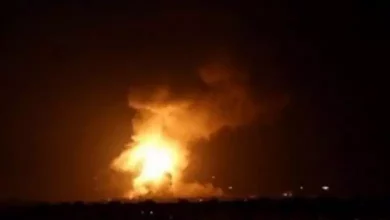
Iran's senior lawmaker stated that reports indicating substantial damage to the city of Dimona, located in the central occupied territories, as a result of Iranian missile strikes highlight the weakening of Israeli defenses against Iran's retaliatory actions.
The Speaker of Iran’s Parliament, Mohammad-Baqer Qalibaf, stated on social media platform X that the inability of the Israeli regime to intercept missiles in the heavily fortified Dimona area signals the beginning of a new operational phase in the ongoing conflict.
The emphasized aspect of this phase was described as the skies over the occupied territories being made “defenseless.”
An official has indicated that the moment has arrived to activate the subsequent pre-arranged strategies, alluding to the unexpected maneuvers that the Islamic Republic’s Armed Forces have consistently vowed to unleash against Tel Aviv.
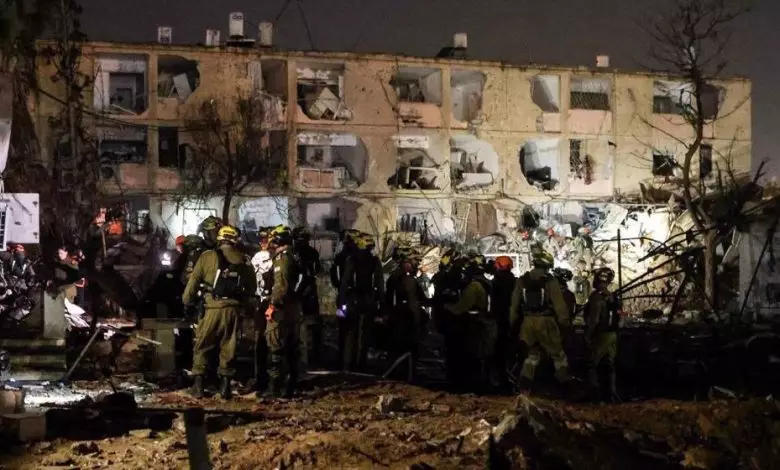
The remarks followed reports of significant casualties stemming from a retaliatory missile strike aimed at Dimona, despite extensive censorship of the actual impact. Dimona is well-known for its stringent security measures, attributed to its proximity to the regime’s controversial Dimona nuclear reactor.
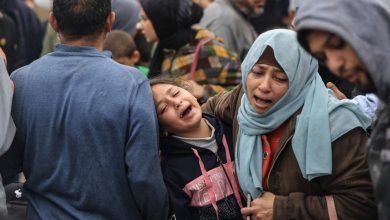
Reports from official sources indicate that nearly 50 individuals have sustained injuries. However, the mobilization of numerous ambulances and several military helicopters for evacuation efforts suggests that local accounts may provide a more accurate depiction of the situation.
Despite strict measures by the regime’s police to prevent any form of filming, residents of Dimona have reportedly observed numerous body bags in the vicinity of ambulances.
Israeli media outlets have reported on what they describe as the “hardest night,” indicating a particularly challenging or intense period the country has faced. Details surrounding these events were not immediately available, but sources emphasized the night’s significance.
According to the Israeli newspaper Yedioth Ahronoth, Iranian counterattacks led to what the regime described as its “most difficult night” since February 28. On that day, the Islamic Republic’s Armed Forces launched sustained and determined counterstrikes following what Tehran perceived as an unprovoked attack from Tel Aviv and Washington on Iranian territory.
An Israeli newspaper has reported a significant number of casualties in both Dimona and the adjacent city of Arad.
The Israeli military has officially confirmed that the counterattack was executed with a ballistic missile, which was equipped with a warhead containing approximately half a ton of explosives.
Military sources report that two interception attempts were made to neutralize the missile, but both efforts were unsuccessful.
Iran initiated a counteroffensive dubbed Operation True Promise 4 shortly after experiencing what it deemed was illegal aggression that commenced at the end of last month.
Retaliatory strikes in the occupied territories have targeted military sites across several key locations, including Tel Aviv, the occupied city of al-Quds, the port of Haifa, the technological hub of Be’er Sheva, the Negev Desert, among others.
US military installations throughout the region, such as those in Qatar, Bahrain, the United Arab Emirates, Kuwait, Saudi Arabia, and Jordan, have encountered persistent retaliatory strikes.