No nuclear talks on agenda with US, Araghchi tells lawmakers
A senior Iranian lawmaker has quoted Foreign Minister Abbas Araghchi as saying that the Islamic Republic is not currently engaged in negotiations with the enemy on the nuclear issue.
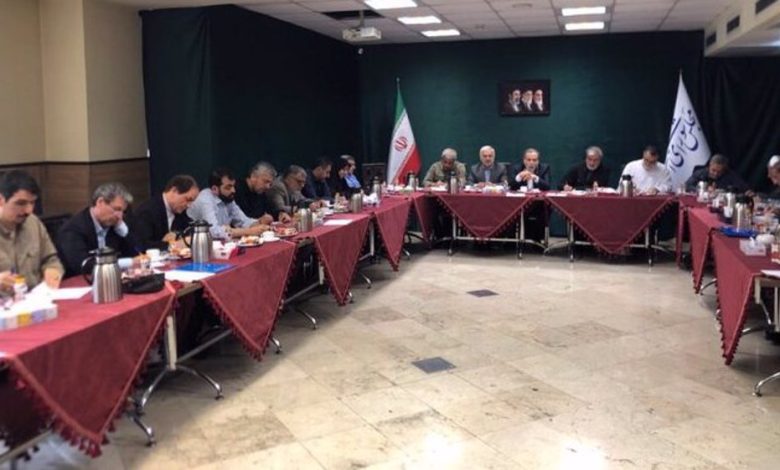
The chairman of the Iranian Parliament’s National Security and Foreign Policy Committee, Ebrahim Azizi, made the remarks on Monday after Araghchi appeared before the committee to brief lawmakers on the Foreign Ministry’s current activities, particularly about negotiations with the United States.
“The Foreign Minister emphasized that we are not currently negotiating with the enemy in the nuclear field and that we are prepared for any scenario, while underscoring a ceasefire in Lebanon,” Azizi said.
The illegal US-Israeli aggression on Iran began on February 28 with airstrikes that assassinated senior Iranian officials and commanders. The Iranian armed forces unleashed at least 100 waves of successful, decisive retaliatory strikes against sensitive and strategic American and Israeli targets throughout the region.
On April 8, forty days into the war, an Islamabad-brokered temporary ceasefire, which also included a cessation of hostilities in Lebanon, went into effect. However, the first round of Tehran-Washington negotiations failed to reach an agreement.
Donald Trump, the president of the United States, unilaterally extended the truce after its expiry, but imposed an inhumane “naval blockade” of Iran.
Tehran has refrained from committing to a second round of talks, with authorities citing Washington’s excessive demands and piracy against Iranian ships as two main impediments to concluding the war.
Since the early days of the unprovoked war, Iran has restricted transit through the Strait of Hormuz, a strategic waterway responsible for a fifth of global oil demand.
Azizi quoted Araghchi as saying that Iran is working on a mechanism to manage the Strait of Hormuz, which will not return to its previous conditions, with hostile vessels not allowed to pass through.
The enemy thought Iran had weakened, but the Islamic Republic stood firm against two nuclear powers, one of which has the world’s largest army, the lawmaker added, citing the foreign minister.
The enemies used all methods, including riots, coups, military attacks, and separatist movements, to make Iran surrender, but they failed to achieve their goal.
The Iranian lawmaker said no one expected Iran to hit US bases in the region and close the Strait of Hormuz.
Meanwhile, Azizi quoted Araghchi as saying that the region’s security doctrine, which was based on US bases before the war, has now changed.
“In fact, [US] bases are not creating security, but causing insecurity. The countries that did not host American bases remained safe in this war. However, those who hosted American bases did not remain safe,” he said.
“It shows that the United States’ presence in the region has caused insecurity and that the US is only committed to protecting the Zionist regime.”
Foreign Minister Araghchi, the lawmaker said, reiterated that the resistance of the Iranian nation and armed forces during the war guaranteed the security of the Islamic Republic in such a way that no country would dare to attack it for years.
Resistance is the secret of Iran’s power as the country has become a major regional and global player thanks to the blood of martyred Leader of the Islamic Revolution Ayatollah Seyyed Ali Khamenei, he said.