Larijani Cautions U.S. to Heed Its Troops Following Trump’s Intrusive Remarks
Iran's chief national security figure has cautioned Trump that any American meddling in Iran's domestic matters would jeopardize U.S. interests in the region.
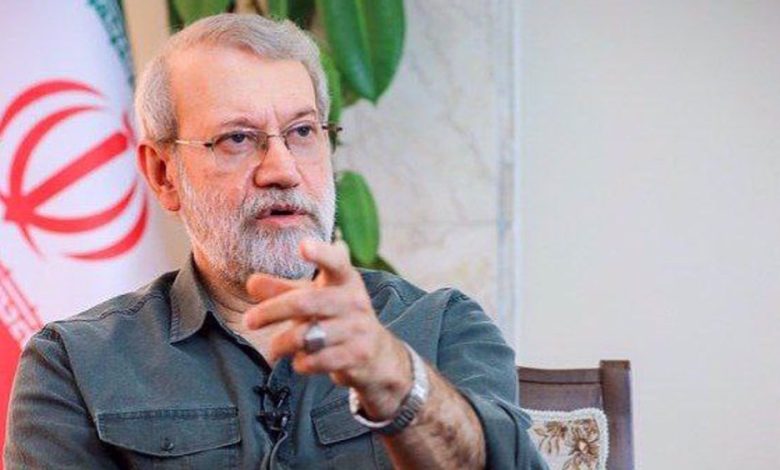
Ali Larijani, Secretary of Iran’s Supreme National Security Council, responded on Friday to comments made by Trump and Israeli officials regarding sporadic protests over the decline of the rial. Larijani suggested that these statements have unveiled a previously concealed collaboration among Iran’s adversaries behind the scenes.
Ali Larijani has issued a stark warning to Washington, advising that Trump should be aware of the potential repercussions of any intervention.
He stated that any interference by Trump in this internal matter could potentially destabilize the entire region and jeopardize American interests.
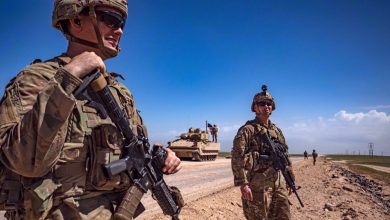
He also conveyed a message to the American public, stating, “The American people need to understand—Trump initiated this adventurism. They should remain aware of their soldiers’ safety.”
He emphasized that Iranian officials distinguish between valid economic concerns and acts of sabotage.
He stated, “We differentiate between the position of the protesting shopkeepers and the activities of disruptive elements.”
The remarks followed Trump’s warning to Iran via a social media platform, asserting that the United States was ready to undertake military measures against the nation.
In a recent statement, Trump warned that should Iran engage in violence against peaceful demonstrators, a customary action according to him, the United States is poised and prepared to intervene. “We are locked and loaded and ready to go,” he asserted.
Ali Shamkhani, the representative of the Leader of the Islamic Revolution Ayatollah Seyyed Ali Khamenei in the Defense Council, dismissed Trump’s proposal to intervene and “rescue” the protesters.
In a strong statement, the Iranian official emphasized that the people of Iran are fully aware of the historical U.S. interventions, citing examples such as Iraq, Afghanistan, and Gaza. He warned that any external interference with Iran’s security, regardless of the justification, will be met with a decisive response aimed at deterring future attempts. He underscored that Iran’s national security remains a non-negotiable priority, cautioning against reckless diplomatic posturing.
Protests broke out on Sunday as shopkeepers in Tehran shut their businesses in response to the dramatic depreciation of the national currency, which plummeted to unprecedented depths against the US dollar.
Iranian authorities have conceded the economic challenges confronting the populace and affirmed the legitimacy of peaceful demonstrations. However, they have also cautioned that foreign-supported entities aim to take advantage of the situation to incite violence.
Attorney-General Mohammad Movahedi-Azad emphasized that peaceful economic demonstrations are a “recognizable reality” and should be managed through legal avenues. He also warned against any organized efforts to escalate these protests into unrest.
Iran’s economy has been under continued strain since 2018, following the reimposition of unilateral sanctions by the United States. This move came after Trump pulled out from an international nuclear agreement in his first term.
Movahedi-Azad condemned the implementation of unilateral and extraterritorial sanctions, emphasizing that when these actions limit access to crucial goods, medicines, financial services, and essential resources, they closely align with the notion of collective punishment—an idea rejected by international law.
Movahedi-Azad highlighted the importance of distinctly differentiating between lawful demonstrations and acts of criminal activity.
“Economic pressures have the potential to give rise to social demands and protests. Within this context, it is essential that peaceful economic protests are conducted through lawful avenues,” he stated.
He issued a warning that certain actors are attempting to manipulate the demands of the public.
He stated that at times, through the manipulation of guided media networks, skewed narratives, and the use of misled individuals or elements that disrupt public order, there are attempts to transform these demands into a sense of insecurity.