IRGC Intelligence Claims US Overestimated Ease and Speed of Iran Operation
The intelligence division of the Islamic Revolution Guards Corps (IRGC) has stated that recent unsuccessful attacks in June and February, along with the breakdown of an April siege, have demonstrated that the United States' expectations of swift and straightforward military operations against the Islamic Republic are misguided.
The unsuccessful military campaigns include Israel’s 12-day conflict in 2025, which saw direct intervention from the United States, along with a 50-day terrorist conflict led by the US and Israel starting on February 28, 2026. Furthermore, the April blockade on Iranian ports, instituted by Trump, was a form of economic warfare aimed at crippling the nation’s resources.
The IRGC Intelligence Organization stated on Thursday that the unsuccessful assaults on June 13 and February 28, along with the breakdown of the April 12 blockade, have revealed the flawed assumptions held by the White House concerning a swift and straightforward operation against the Islamic Republic of Iran.
U.S. intelligence agencies have reached a consensus, warning that time is not in their favor. To navigate the complex challenges at hand, it is imperative to take Iran’s initiatives and threats with the utmost seriousness, the report stated.
CNN reported on Thursday, referencing intelligence sources, that Iran is rapidly reconstructing its military infrastructure. This includes replacing missile sites and launchers, as well as resuming the production of crucial weapons systems, during the ongoing six-week ceasefire with the United States.
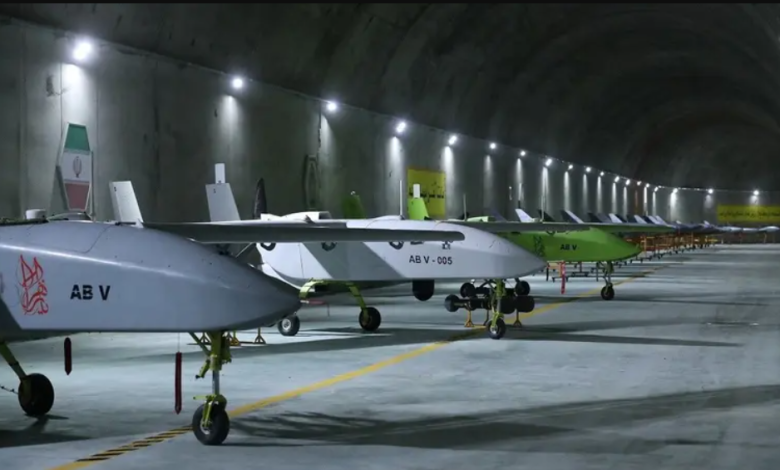
U.S. intelligence reports suggest that Iran’s military capabilities are being rebuilt at a pace exceeding earlier projections. The findings indicate that Iran has resumed certain aspects of its drone production, with the potential to fully restore its drone attack capacities within a six-month timeframe.
A U.S. official revealed to an American broadcaster that Iran has surpassed all projected timelines previously estimated by the intelligence community for reconstitution.
According to a report by CNN, Iran has shown an ability to mitigate the sustained effects of conflict by rapidly rebuilding following attacks.
Earlier this month, the New York Times reported that U.S. intelligence agencies disclosed Iran has reacquired access to the majority of its missile sites, launchers, and underground facilities.
The report referenced classified assessments that challenge Trump’s assertions that Iran’s missile capabilities had been “decimated.”
A recent report indicates that Iran has reestablished operational capabilities at 30 out of 33 missile sites positioned along the Strait of Hormuz. This move enables Iran to potentially target US naval vessels navigating the crucial maritime passage.
Following the onset of hostilities, Iran has shut the strategic strait to adversary vessels, prompting maritime insurers to significantly increase premiums for ships intending to navigate the passage.
A report cited by the Times indicates that Iran maintains approximately 70 percent of its mobile launchers and retains nearly 70 percent of its missile arsenal from prior to the conflict, according to intelligence assessments.
According to a report, satellite imagery and surveillance tools have revealed that Iran has restored access to approximately 90 percent of its underground missile storage and launch sites, with these facilities being “partially or fully operational.”