Iranian Legislator Calls for Withdrawal from NPT, Citing Inadequate Protection of Nuclear Facilities
A prominent Iranian legislator has criticized the nation's participation in the Treaty on the Non-Proliferation of Nuclear Weapons (NPT), labeling it as "meaningless." The critique stems from the perceived ineffectiveness of the treaty in safeguarding Iran's nuclear infrastructure from foreign attacks.
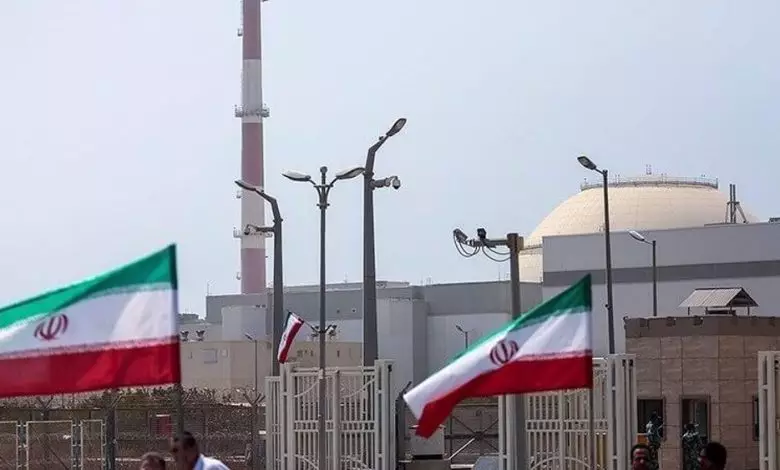
Rezaei expressed dissatisfaction with the Non-Proliferation Treaty (NPT), stating that it has provided no tangible benefits. According to Rezaei, the treaty has failed to shield the country from attacks by nuclear-armed states and has not stopped repeated assaults on their nuclear infrastructure. He emphasized that international agreements and documents have been utterly ignored.
Since the onset of the Israeli-American offensive against Iran in late February, Iran’s nuclear facilities have been subjected to numerous attacks. Meanwhile, the International Atomic Energy Agency (IAEA) has yet to denounce these actions.
The most recent hostilities occurred several months following significant and unauthorized airstrikes by both Israel and the United States targeting three critical nuclear installations in Iran.
Iranian officials have criticized the United Nations nuclear agency and the international community for their inaction regarding alleged violations of international agreements.
Rezaei expressed significant concern regarding the recent statements made by IAEA Director General Rafael Grossi. Grossi had implied that the use of an atomic bomb may be necessary to dismantle Iran’s nuclear initiative.
Rezaei reaffirmed that Iran has no plans to develop a nuclear weapon, emphasizing that their stance on the matter has not wavered. He criticized the Director General of the International Atomic Energy Agency’s assertion that the only method to dismantle Iran’s nuclear program is through the use of an atomic bomb, labeling the comment as both provocative and perilous.
The remarks made by the head of the International Atomic Energy Agency have exacerbated the distrust surrounding international organizations that are expected to maintain the rule of law globally and function without any outside political influence.
Rezaei highlighted a notable inconsistency in the global community’s handling of treaty commitments, observing that the United States has exited around 60 international organizations and agreements in recent years without encountering any consequences.
Rezaei highlighted that the United States has exited 60 international organizations and conventions. However, he noted that any move by them to withdraw from the Nuclear Non-Proliferation Treaty would probably be met with surprise and resistance from Western nations.
Rezaei has stated that the time has arrived for Iran to reevaluate its obligations under the treaty, declaring, “It is time to exit.”
Iran is contemplating a withdrawal from the Non-Proliferation Treaty (NPT) amid the ongoing conflict that erupted on February 28 following the assassination of the Leader of the Islamic Revolution, Ayatollah Seyyed Ali Khamenei, alongside several top military officials. The situation has escalated, resulting in the deaths of more than 1,300 civilians nationwide.
Iranian citizens perceive that the recent unprovoked acts of aggression, occurring twice in under a year, demonstrate that international treaties fail to provide adequate protection against hostile forces.
Iran, a signatory of the Nuclear Non-Proliferation Treaty (NPT), operates under the treaty’s protocols. In contrast, Israel has not joined the NPT and does not permit inspections of its secretive nuclear weapons sites.