Iran to Halt Collaboration with IAEA Following Renewed Sanctions, Announces SNSC
The Supreme National Security Council (SNSC) of Iran announced that Tehran will halt its cooperation with the International Atomic Energy Agency (IAEA) following the United Nations Security Council's decision not to permanently remove sanctions on the country.
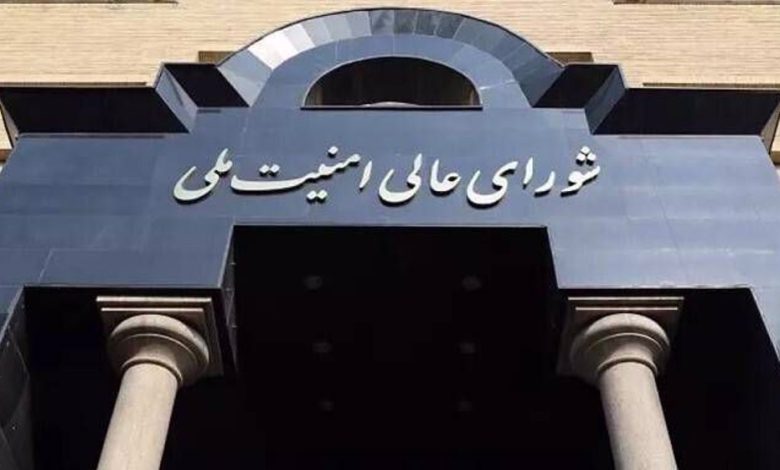
In a Saturday statement, Iran’s highest security authority denounced what it described as the “ill-considered” actions of Britain, France, and Germany, collectively known as the E3, concerning the Islamic Republic’s peaceful nuclear activities.
On Friday, the 15-member United Nations Security Council was unable to pass a resolution that would have halted the reimposition of sanctions on Iran. This development follows the actions of the E3 countries, which activated the “snapback” mechanism, asserting that Tehran was not adhering to the terms of the 2015 agreement officially known as the Joint Comprehensive Plan of Action (JCPOA).
Iran has dismissed the recent action by the European trio as illegitimate, emphasizing that the United States had previously withdrawn from the agreement. Additionally, Tehran criticized the European nations for aligning with unlawful sanctions rather than upholding their own obligations under the deal.
During a Saturday session presided over by Masoud Pezeshkian, the SNSC deliberated on the current regional dynamics and the Israeli regime’s provocative actions, according to their statement.
The Supreme National Security Council highlighted that, notwithstanding the Iranian Foreign Ministry’s cooperation with the Agency and the proposals offered to resolve the nuclear issue, European countries’ actions have effectively halted the path of collaboration with the Agency.
Iran’s leading security authority has directed the Ministry of Foreign Affairs to persist in its engagements according to the Supreme National Security Council’s decisions, with the objective of protecting national interests.
It was noted that Iran’s foreign policy, amid the present conditions, will focus on collaborative efforts to ensure peace and stability within the region.
Earlier on Saturday, Pezeshkian stated that Tehran possesses the resilience to withstand any renewed imposition of sanctions and will steadfastly resist capitulating to undue demands.
The president emphasized the importance of maintaining confidence in overcoming challenges, asserting that adversaries cannot impede progress in this region.
In July, the Supreme National Security Council (SNSC) was officially designated to supervise collaborations with the International Atomic Energy Agency (IAEA). This decision follows a succession of unauthorized and aggressive strikes by Israeli and U.S. forces on Iran’s nuclear sites.
The change occurred following the Iranian Parliament’s approval of legislation on July 2, mandating that any inspection requests from the International Atomic Energy Agency (IAEA) undergo review and receive authorization from the Supreme National Security Council (SNSC).