Iran Declines Support for so-called Two-State Resolution, recognizing occupation in Palestine
Tehran has asserted that enduring peace in the region can only be achieved through a free referendum that includes Muslims, Jews, Christians, and refugees. This statement emphasizes opposition to an imposed two-state solution that disregards Israel's ongoing refusal to acknowledge Palestinian sovereignty.
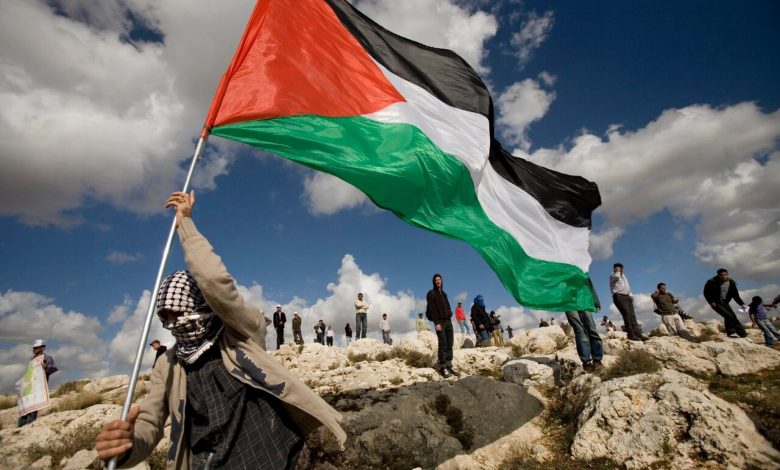
On September 11, 1404, the United Nations General Assembly endorsed a resolution, introduced by France and Saudi Arabia, with 142 member states voting in favor. The resolution advocates for the establishment of a two-state solution in the occupied Palestinian territories. Notably, the Islamic Republic of Iran, along with several other nations, abstained from participating in the vote, opting for absence instead.
Key aspects to consider in this context include:
The resolution in question backs a proposal that acknowledges Israel’s presence in the occupied territories as a state, a stance deemed unacceptable by Iran. Tehran remains steadfast in its opposition to Israel’s statehood and rejects the allocation of any Palestinian land to Israel. Additionally, the resolution currently lacks a clear implementation framework, and its future is uncertain given the potential for a U.S. veto at the Security Council.
A resolution proposed to the United Nations by France and Saudi Arabia, ostensibly advocating for the establishment of a “State of Palestine,” includes provisions aimed at disarming Hamas and transferring governance to an administration located in the Palestinian autonomous region, led by Mahmoud Abbas. This government, which enjoys the confidence of Western powers, has been criticized for its perceived inaction in addressing the alleged genocide of Palestinians by the Zionist regime and has faced skepticism and distrust from the Palestinian populace.
The Iranian proposal submitted to the United Nations, detailed in document S/2019/862 P, advocates for the creation of an independent state in the occupied territories based on the genuine consent of its principal inhabitants—Muslims, Jews, and Christians—through a free and inclusive referendum. This initiative revolves around granting voting rights to all residents, including those in the diaspora, such as refugees in Jordan or Latin American nations, enabling them to influence the future governance in the occupied territories. Drawing parallels to the successful dismantling of the apartheid regime in South Africa, Iran asserts that this approach has proven effective historically. Consequently, Iran objects to a resolution backed by certain Western nations, like France, arguing that true peace is attainable only by terminating the occupation and achieving the full independence and sovereignty of Palestine.
In addressing concerns regarding the lack of implementation guarantees in the Iranian plan, it should be noted that its foundation is perceived to be significantly more robust compared to the long-discussed two-state solution in the occupied territories. The two-state concept has been on the table since the inception of the Zionist regime in 1948, yet its realization has been consistently hindered by Israeli opposition and Western backing, notably from the United States. Historically, the international community recognized the establishment of a separate Jewish state through UN Resolution 181 on November 29, 1947, dividing the British-mandated Palestine into Jewish and Arab states. Since declaring its statehood on May 14, 1948, Israel has engaged in multiple conflicts that have thwarted the creation of a Palestinian state. This raises a pertinent question for Western nations: why persist with the two-state policy knowing that the Zionist regime remains opposed and that the United States is likely to block Palestinian statehood efforts in the UN Security Council?
To establish a state, four fundamental elements are required: territory, population, government, and sovereignty. However, the Zionist regime does not acknowledge the territory, government, or sovereignty of Palestine and is reportedly seeking to eliminate the population component through acts of genocide and by attempting to forcibly relocate Palestinians. Governments advocating for a two-state solution, notably France, should initially compel the Israeli regime to recognize these four essential components for the establishment of a Palestinian state before endorsing the two-state proposal.