Iran and Oman Engage in Strategic Discussions for Secure Navigation Through Strait of Hormuz
Senior diplomatic representatives from Iran and Oman have engaged in talks concerning recent developments in the Strait of Hormuz. This dialogue comes in the wake of Iran's new restrictions on the vital maritime corridor, following what they have termed an unlawful act of aggression carried out by the United States and Israel late in the previous month.
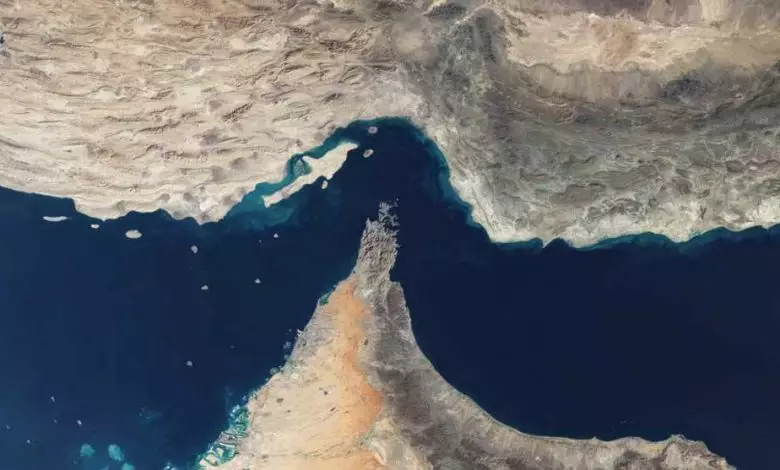
Iranian and Omani diplomatic representatives have engaged in discussions concerning the latest situation in the Strait of Hormuz. This comes in the wake of restrictions enforced by Iran on this critical maritime corridor, subsequent to what has been characterized as an unauthorized act of aggression by the United States and Israel at the end of last month.
Iran’s Deputy Foreign Minister for Legal and International Affairs, Kazem Gharibabadi, alongside Oman’s Deputy Foreign Minister for Diplomatic Affairs, Sheikh Khalifa bin Ali bin Issa Alharthy, convened a meeting on Saturday. The discussions included participation from technical and legal experts from both nations.
The participants discussed the prevailing conditions in the Strait of Hormuz, emphasizing the importance of ensuring safe and secure transit through this strategic maritime corridor.
They emphasized the significant roles played by Iran and Oman as the coastal nations overseeing the strategic Strait of Hormuz.
Iranian and Omani specialists exchanged perspectives and suggestions on the matter and consented to convene additional meetings for further discussions.
Iran has escalated its measures to limit the navigation of vessels through the Strait of Hormuz in the backdrop of the continuing conflict involving the United States and Israel.
Officials have announced that the crucial global energy corridor, which previously facilitated the passage of nearly 20% of the world’s oil before the onset of conflict, remains accessible to all vessels, with the exception of those associated with the United States, Israel, and their allies.
The imposition of restrictions has triggered a considerable surge in global energy and commodity prices. Experts warn that if the ongoing confrontation persists, the impact could potentially escalate to unprecedented levels.
On Sunday, Trump reiterated a warning to escalate actions against Iran if it maintains the closure of the Strait of Hormuz. He stated that the United States would target and destroy key infrastructure, including the country’s power plants and bridges, if necessary.
Following a bold declaration on Wednesday, Trump’s post emerged, vowing to potentially “bring Iran back to the Stone Age” and suggesting a simultaneous, robust assault on “each and every” Iranian electrical plant.
In a statement posted on X on Friday, Iranian President Masoud Pezeshkian condemned American threats to revert the Islamic Republic to “the Stone Age” through military action. He cautioned that those who remain silent in the presence of criminal acts will eventually incur “a heavy price.”