Iran among top 3 in radiopharmaceuticals, expands nuclear scanners nationwide
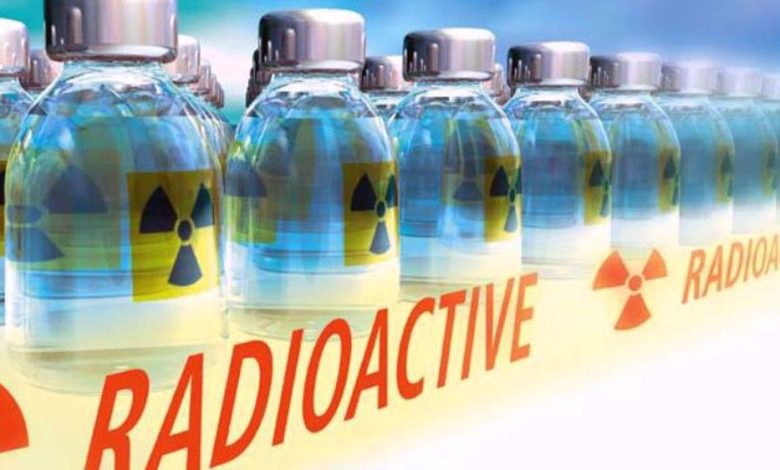
Iran has established its position as one of the world’s top three producers of radiopharmaceuticals, with statistics showing a nationwide increase in nuclear medicine imaging systems across all 31 provinces, according to reports.
Radiopharmaceutical technology, one of the major achievements of modern medicine, has driven significant advancements in diagnosing and treating complex diseases such as cancer over recent decades.
Iran has made notable progress in this field by developing radiopharmaceutical production capabilities and establishing specialized medical centers, according to a report by Mehr News Agency.
Currently, Iran produces 70 types of radiopharmaceuticals, meeting the needs of more than 6,500 nuclear medicine centers nationwide. The country also exports these products to 15 countries, generating around $70 million in revenue in 2025.
As part of efforts to achieve self-sufficiency, a cyclotron has been installed and commissioned at a hospital in Tehran to produce radioisotopes used in Positron Emission Tomography (PET) imaging.
The facility’s radiopharmaceutical unit successfully produced the first dose of FDG (fluorodeoxyglucose) last year, marking a milestone in local PET imaging capabilities.
The only organization responsible for the production and distribution of radiopharmaceuticals in Iran remains a state-owned company under the Atomic Energy Organization of Iran.
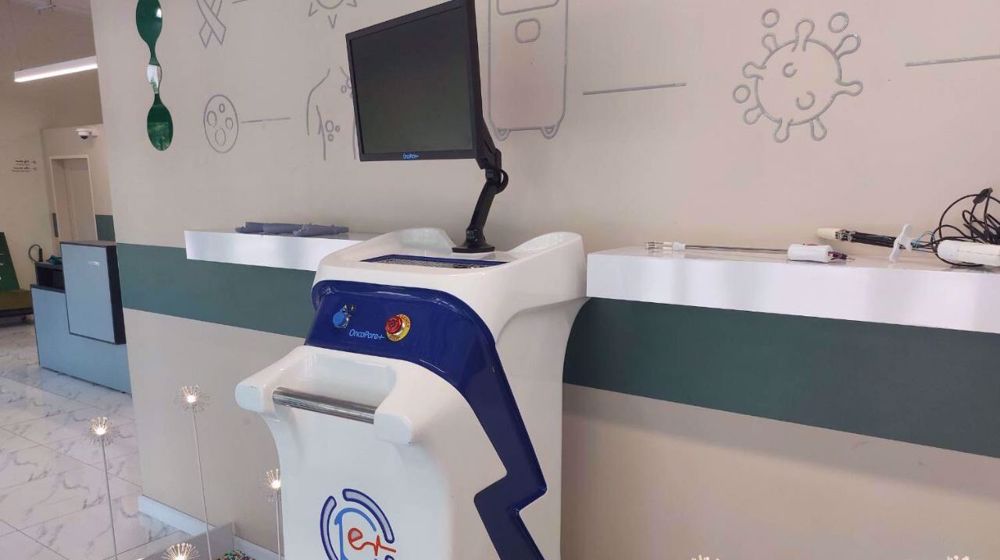
Iran has unveiled the first domestically-developed production line for Electrochemotherapy (ECT) ablative device, a cutting-edge cancer treatment, joining few countries worldwide capable of producing this therapeutic method.
According to recent data, Iran currently operates around 216 SPECT (Single Photon Emission Computed Tomography) scanners, distributed across all 31 provinces.
While this number remains below the global average of 3.5 scanners per million people, it reflects substantial progress in expanding access to nuclear medical imaging services throughout the country.
Officials say increasing the number of PET scanners and enhancing radiopharmaceutical infrastructure are key priorities to further strengthen Iran’s standing in the global nuclear medicine and cancer treatment fields.