Iran Accuses Western Nations of ‘Excessive Demands’ Stalling Snapback Negotiations
Iran's chief security official has charged Western nations with imposing "excessive demands" and hindering progress in nuclear talks, attributing the current impasse concerning the UN "snapback" mechanism to their actions.
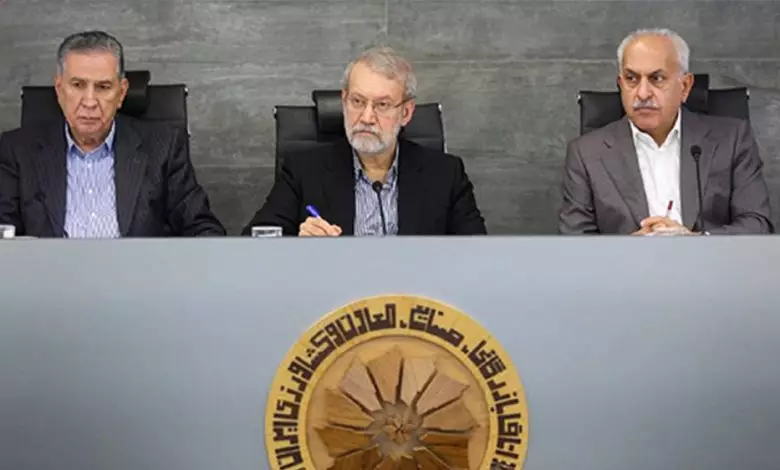
On Tuesday, Ali Larijani stated that Tehran has explored all available diplomatic channels to avert the invocation of the snapback mechanism. However, he noted that Western nations reacted with unreasonable demands and impeded any progress.
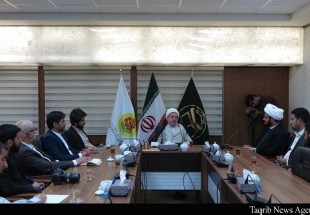
The chief of Iran’s Supreme National Security Council addressed a gathering with representatives from Iran’s Chamber of Commerce, Industries, Mines, and Agriculture in Tehran.
According to reports, France communicated through the International Atomic Energy Agency (IAEA) that it would retract its snapback request contingent upon Iran establishing specific agreements with the Agency.
Iranian official Larijani highlighted a setback in diplomatic relations, pointing out that an agreement signed by Iran’s foreign minister in Egypt permitted the resumption of IAEA inspections at Iranian nuclear sites under specified conditions. However, he asserted that the other party failed to fulfill their commitments.
Ali Larijani announced that Iran had agreed to both a European and a Russian proposal that would allow six months for negotiations. However, he claimed that Western nations once more defaulted on their commitment and proceeded with the snapback mechanism at the United Nations Security Council.
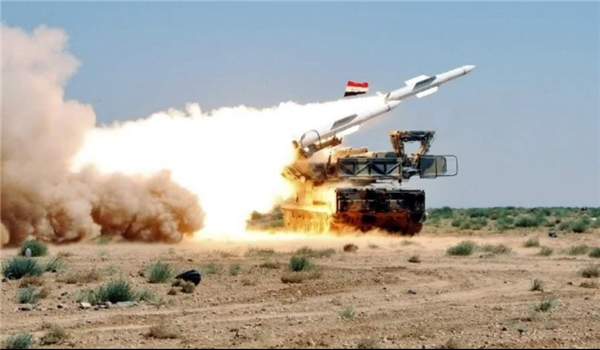
He emphasized two contentious issues, first being a U.S. demand to limit Iran’s missile range to less than 500 kilometers, a demand he characterized as an unacceptable insult to any Iranian.
In their initial proposal, the Americans included a stipulation deemed unacceptable, suggesting the reduction of missile range to below 500 kilometers. The proposition, viewed as a blow to national dignity, was rejected by Iranian officials, who criticized the demands as being wholly unreasonable.
Secondly, he asserted that the JCPOA endowed Iran with the authority to react if other parties breached their commitments.
Initially, the United States withdrew from the accord, and subsequently, European nations did not adhere to its terms. Later, there were even bombings reported. Therefore, the question arises: who should be the one to raise objections?
Larijani has leveled accusations against Western nations, claiming they exploit legal documents to serve political objectives.
Iran has accused certain parties of misusing contractual agreements, emphasizing that it has consistently shown willingness to engage in negotiations to resolve ongoing issues. Despite this openness, the country claims that even during discussions, it has faced attacks. While there are calls for dialogue, Iran argues that the true intentions of others appear to diverge from their public declarations of seeking resolution through talks.
Iran has expressed its openness to accepting any “reasonable and fair proposal” that ensures its interests, a statement attributed to a senior official. Meanwhile, Larijani has committed to safeguarding the nation’s security and sovereignty.
He asserted, “Our resolve remains unshaken, much like it did regarding the missile range issue.”