Imam Khomeini’s Vision: Safeguarding Freedom and Islamic Interests at Heart of Foreign Policy
Imam Khomeini, the revered leader and founder of the Islamic Republic of Iran, conveyed that the nation's foreign policy is rooted in mutual respect. He asserted that Iran remains steadfast in its refusal to succumb to American dominance.
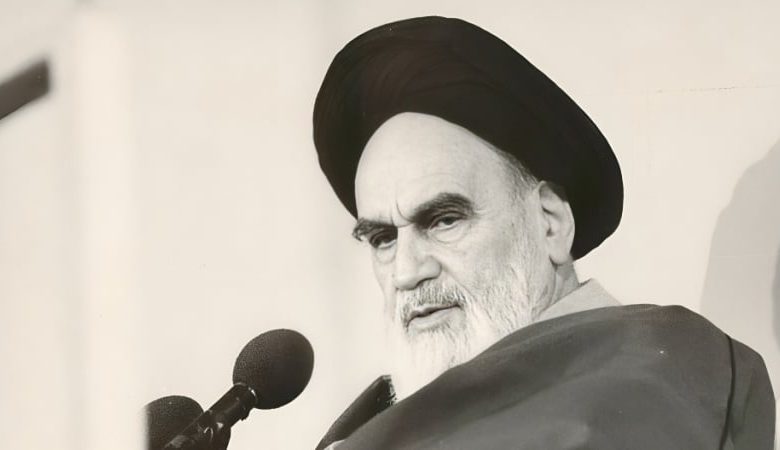
Pars Today reports that on January 19, 1979, Imam Khomeini conveyed to Elizabeth Targood, a reporter for The Guardian, that Iran’s foreign relations would be guided by the principle of mutual respect. Khomeini emphasized that Iran would not yield to oppression nor engage in acts of injustice.
Iran’s foreign policy principles prioritize preserving freedom, independence, and the interests of Islam and Muslims. On November 23, 1978, in an interview with Al-Safir, Imam Khomeini articulated that the nation’s international relations are based on these tenets. He emphasized that Iran would engage with any country willing to act with mutual respect, underpinning its diplomatic interactions with these fundamental values.
Iran has emphasized the necessity of non-interference in its internal affairs as a condition for maintaining friendly relations with other countries, according to a statement made by Imam Khomeini during a January 10, 1979, interview with The New York Times. Khomeini underscored the independence of Iran’s government, asserting that amicable ties would be upheld with nations that respect this principle.
In a televised interview on December 1, 1978, with a reporter from PBS, Imam Khomeini asserted, “We reject the notion of American oppression and remain steadfast in not succumbing to it. The injustices perpetrated against us by them are intolerable. Nonetheless, we are committed to fostering amicable relations with nations worldwide, based on reciprocity and mutual respect, contingent on the respectful treatment of our nation.”
Iran’s founding leader, Imam Khomeini, articulated the nation’s stance on national defense in a speech to officials and staff of the Astan Quds Razavi on July 25, 1982. He asserted that while the Islamic Republic does not have intentions to attack any nation, once under attack, defending the country is a duty grounded in both religious obligation and rational necessity. He emphasized that the country’s military posture is fundamentally defensive in nature.