‘Gravest violation of intl. law’: Araghchi slams IAEA inaction over strikes on Iran nuclear sites
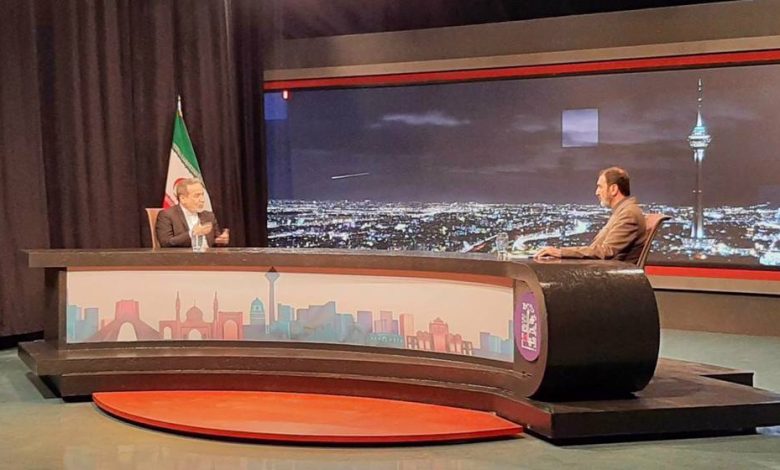
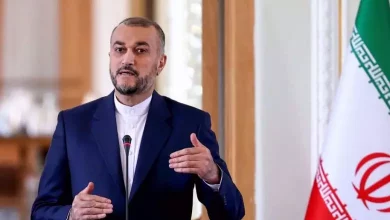
Iranian Foreign Minister Abbas Araghchi has criticized the UN nuclear watchdog for its “poor conduct” before and after the “illegal and brutal” US-Israeli strikes on Iran’s nuclear facilities, which he described as “the gravest violation of international law.”
Speaking in a televised interview on Thursday, Araghchi said that the United States and the Israeli regime committed an “absolutely unforgivable” violation in international relations by attacking the nuclear facilities in Iran.
On June 13, Israel launched a blatant and unprovoked act of aggression against Iran, assassinating many high-ranking military commanders, nuclear scientists, and killing hundreds of civilians.
On June 22, the United States also entered the war and bombed three Iranian nuclear facilities in Fordow, Natanz, and Isfahan, in a clear violation of international law and the Nuclear Non-Proliferation Treaty (NPT).
Two days later, Iran, through its successful retaliatory operations against both the Israeli regime and the US, managed to impose a halt to the illegal assault.
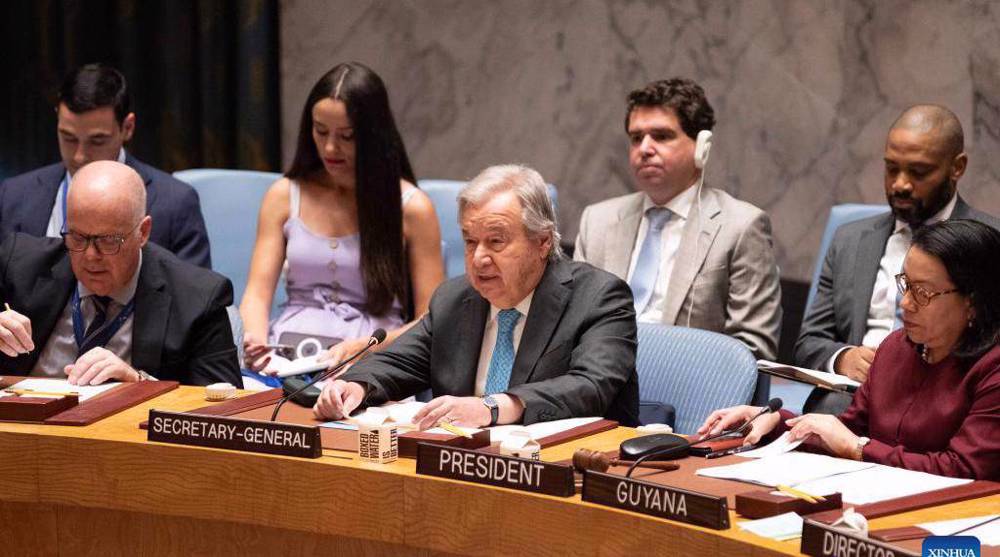
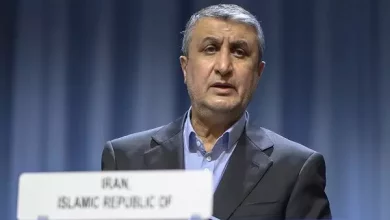
Araghchi criticized the International Atomic Energy Agency (IAEA) and its director general for refraining from condemning the strikes.
He said that the agency and its director general now realize that completely new conditions have emerged that call for a “new chapter” in Iran’s relations with the IAEA, following a parliamentary law suspending Tehran’s full cooperation with the agency and the strikes on the nuclear facilities.
On June 25, the Iranian Parliament unanimously passed a law mandating the government to suspend all cooperation with the IAEA. Under the law, the agency’s inspectors will not be permitted to enter Iran unless the security of the country’s nuclear facilities and that of peaceful nuclear activities is guaranteed, which is subject to the approval of Iran’s Supreme National Security Council.
Araghchi slammed the IAEA’s poor conduct regarding Iran’s nuclear program before and after the war, noting that the agency’s report pushed the Board of Governors to pass a “bad” resolution against Tehran.
Araghchi said that the IAEA is duty-bound to protect nuclear facilities in Iran and cooperate with countries on the peaceful use of nuclear energy.
Iran’s nuclear facilities have been attacked while they were under the IAEA’s constant supervision, he added.
“Given all these realities, there is a need to set up a new framework for cooperation with the agency. The previous framework does not certainly work,” he emphasized.
He noted that Iran has invited the IAEA deputy director general to travel to Tehran in accordance with the parliamentary law and following the agency’s repeated requests.
During the visit, Araghchi said, the IAEA official is not permitted to make any inspection of Iran’s nuclear facilities and noted that discussions will focus only on bilateral cooperation about the Islamic Republic’s peaceful nuclear program.
No definitive decision on Iran-US talks
Elsewhere in his remarks, Araghchi responded to a question about the possibility of a new round of direct or indirect negotiations with the US, saying no definitive decision has been made on the issue yet, but messages have been received from the opposite side.
He added that whether talks would take place in the near or distant future depends entirely on Iran’s national interests.
“We have officially and explicitly stated that if they (the Americans) think that we will enter negotiations to achieve what they could not obtain through the military attacks, this will not happen now or in the future,” the Iranian foreign minister emphasized.
Iran and the United States had held five rounds of indirect talks on Tehran’s peaceful nuclear program before the beginning of Israel’s acts of aggression.
Mediated by Oman, the 6th round of talks was planned to be held in the Omani capital of Muscat on June 15, but was called off due to the anti-Iran attacks.
Europe’s snapback mechanism will complicate negotiations
Araghchi also touched on the threat by the European troika – Britain, France, and Germany – to invoke the so-called snapback mechanism, saying such a move will only complicate the path of negotiations and understanding.
He said that US military strikes failed to produce the desired results and only made the path toward a diplomatic solution and meaningful negotiations more difficult and complex.
“If the Europeans also wish to move towards invoking the snapback mechanism, they will achieve no results likewise,” he pointed out.
Araghchi said the Islamic Republic has not compromised on the rights of the Iranian people and will never do so.
The so-called snapback mechanism would bring into force six previous Iran-related Security Council resolutions adopted between 2006 and 2010. It would reinstate the expired UN arms embargo that barred countries from supplying, selling, or transferring most military equipment to Iran and prohibited Tehran from exporting any weapons.
It would also impose export controls, travel bans, asset freezes, and other restrictions on individuals, entities, and banks.