Epstein Corruption Case Sees U.S. Documents Heavily Redacted
Significant redaction of documents in the Jeffrey Epstein corruption network case by the U.S. Department of Justice has sparked wide-ranging discussions and concerns regarding the state of freedom of information in the United States.
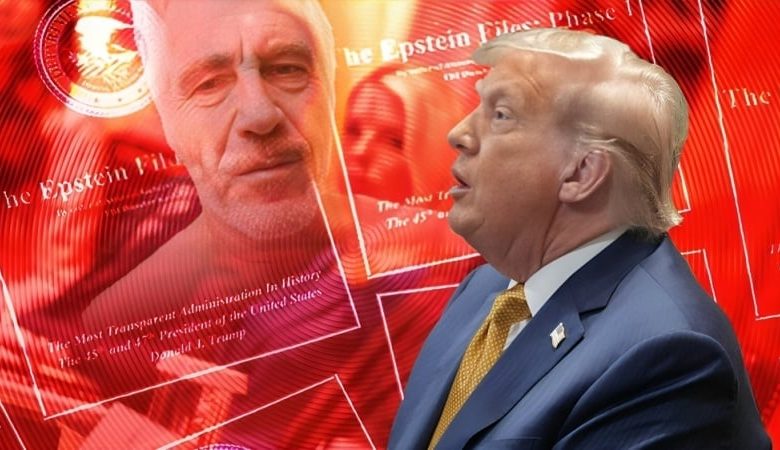
The Department of Justice has made public the initial collection of documents concerning investigations into the activities of Jeffrey Epstein, the financier who was convicted of committing sexual offenses. This disclosure occurred on December 19, 2025, in compliance with the Epstein Files Transparency Act. Enacted by Congress in November 2025, the legislation mandates the Department of Justice to release all unclassified materials—including FBI investigative documents, court filings, and associated communications—ensuring their accessibility and searchability for the public by the stipulated deadline.
The initial release comprised over 13,000 files, encompassing thousands of pages of documents and hundreds of photographs, many with significant redactions. Deputy Attorney General Todd Blanche stated that hundreds of thousands more documents are slated for release in the upcoming weeks, a decision that contravenes the established statutory deadline.
Recently unveiled documents have revealed previously unseen photographs of Jeffrey Epstein alongside various high-profile individuals, including Bill Clinton, with images capturing moments in settings like a hot tub or pool where faces have been censored for privacy. The collection also features other celebrities such as Michael Jackson, Richard Branson, Chris Tucker, Mick Jagger, and several others.
The documents comprised Palm Beach police reports from 2005, flight logs, and select court records. Notably, the release did not feature a new client list or significant revelations regarding unidentified accomplices, with much of the information having previously been disclosed to the public.
The name of Trump was scarcely mentioned in the newly disclosed materials. Notably, some documents, including photographs associated with Trump, were withdrawn following their initial publication, prompting suspicions of a cover-up by the Department of Justice during Trump’s administration.
Critics have primarily focused on the extensive censorship, with the U.S. Department of Justice asserting that significant sections of the documents were redacted to safeguard the privacy of more than 1,200 identified victims.
A 119-page grand jury document from New York has been fully redacted, and several documents, each surpassing 100 pages, have been entirely concealed. Identifying features such as faces in photographs, including those of non-victims, names, sensitive information, and entire pages have been obscured.
Critics, such as Representatives Ro Khanna and Thomas Massie, who are the primary authors of the Epstein Files Transparency Act, contend that the redactions go too far and contravene the law’s ban on omitting information due to “political sensitivity.”
The controversy surrounding the removal or incomplete release of certain documents has ignited discussions regarding the safeguarding of influential figures. Survivors like Marina Lasorda have criticized the censorship as a “slap in the face of survivors,” arguing that it compromises justice.
The implications of this broad and multifaceted partial release are substantial.
In a significant political development, Representatives Ro Khanna and Thomas Massie have announced their intention to introduce an impeachment measure against Attorney General Pam Bondi. Additionally, they have warned of possible charges of “contempt of Congress” against the Attorney General. These bipartisan threats underscore internal divisions within the Republican Party, sparked by the incomplete disclosure of findings in the Epstein case, despite Trump’s assurance of full transparency, a situation that has also dissatisfied some of his own supporters.
Public discontent among victims and social activists has intensified, leading to a decrease in confidence in judicial institutions. This erosion of trust has further fueled conspiracy theories suggesting potential cover-ups by powerful and influential figures.
Ultimately, this development could trigger renewed congressional probes, legal proceedings initiated by affected parties, and potentially shape future policy-making decisions.
The limited disclosure of documents related to the Epstein corruption case has further postponed justice for the victims and intensified the crisis of trust within the U.S. government. In the absence of a complete and uncensored release, the corruption embedded within Epstein’s intricate network and its connections with influential Americans may persist as a matter of public controversy and skepticism.
Source: Pars Today