Eight USS Abraham Lincoln Sailors Attempted Suicide During War With Iran: Navy
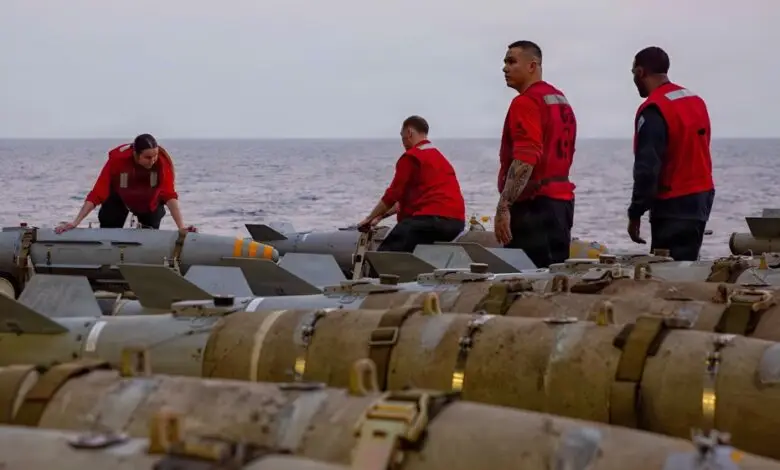
Newly disclosed Navy data shows that eight U.S. Navy personnel assigned to the USS Abraham Lincoln carrier strike group attempted suicide during a grueling deployment marked by sustained attacks against Iran, prolonged isolation at sea and deteriorating living conditions.
Menu
Islamic Invitation Turkey
Home/World News/West Asia
West AsiaIranNorth AmericaWorld News
Eight USS Abraham Lincoln Sailors Attempted Suicide During War With Iran: Navy
Newly disclosed Navy data shows that eight U.S. Navy personnel assigned to the USS Abraham Lincoln carrier strike group attempted suicide during a grueling deployment marked by sustained attacks against Iran, prolonged isolation at sea and deteriorating living conditions.
24/09/2026 3 minutes read
Newly disclosed Navy data shows that eight U.S. Navy personnel assigned to the USS Abraham Lincoln Carrier Strike Group attempted suicide during a grueling deployment marked by sustained attacks against Iran, prolonged isolation at sea and deteriorating living conditions.
Acting Navy Secretary Hung Cao told Senator Kirsten Gillibrand that eight sailors serving with the Lincoln strike group attempted suicide during its deployment, though none died, CNN reported Wednesday, citing a letter from the acting secretary.
The figure includes personnel aboard the carrier and its air wing, strike group and destroyer squadron staffs, escorting destroyers, and embarked aviation squadrons.
Between 6,000 and 7,000 sailors served with the group aboard approximately six ships, while the carrier remained at sea for more than six months amid escalating military actions against Iran.
Cao wrote that eight suicide attempts had been reported across the Lincoln strike group since its deployment began, including personnel throughout the group.
The Navy has sought to portray the figure as broadly in line with overall service rates. However, a U.S. military official told CNN that eight incidents were unusually high compared with recent carrier deployments, which typically recorded one or two annually.
An official said eight suicide attempts was “incredibly high,” citing the intense strain of combat operations, including the absence of port calls and persistent alerts, compared with routine deployments.
The deployment included five chaplains, a psychologist, a clinical social worker, an integrated prevention counselor, behavioral health technicians and a facility dog, but serious incidents persisted.
The newly disclosed figures also provide insight into several incidents involving sailors going overboard. Two sailors previously reported on by CNN—one from the Lincoln and another from a different ship in the group—jumped overboard and were rescued, while other sailors were reportedly prevented from doing the same.
Cao confirmed that a sailor assigned to the air wing went overboard in early August but was quickly recovered and treated aboard the aircraft carrier. In March, another sailor attempted to go overboard but was stopped by fellow crew members, received medical care and later returned home.
Reports that sailors aboard the USS Abraham Lincoln attempted to jump overboard have heightened concerns about the mental health and living conditions of the aircraft carrier’s approximately 5,000 sailors and Marines during its prolonged deployment.
The Navy previously said it had not observed an increase in suicidal thoughts or attempts aboard the ship. It said the well-being of every service member was a priority and that religious, medical and mental health professionals were available to evaluate and address concerns.
A U.S. official said the Navy had found no established link between deployment length and self-harm, adding that man-overboard incidents were not unique to the group.
Accounts from sailors depicted a force under significant strain after months at sea without regular port visits. One crew member aboard the USS Abraham Lincoln told CNN that morale was extremely low and that suicidal thoughts had been a recurring topic among sailors. Basic amenities were also frequently unavailable, with toilets and water fountains out of service and hot water often lacking.
The sailor said the crew listened anxiously each day for updates from their captain about when they would return, before the carrier was ordered home.
Sen. Kirsten Gillibrand sharply criticized the administration, saying conditions for U.S. service members had seriously deteriorated despite Trump and Secretary Pete Hegseth dismissing reports as “fake news.”
He said the government was prepared to spend taxpayer money on “bombs, ballrooms and billionaires” while failing to provide adequate support for troops and their families.
Other sailors aboard the Lincoln told CNN that sustained combat created harsher conditions than on previous deployments, preventing port calls for resupply and crew rest.
The Lincoln departed West Asia in August and is expected to return to San Diego in the coming weeks.
A January 2025 study of 956 sailors found that U.S. Navy personnel serving aboard ships reported higher rates of “serious psychological distress” than troops in other military branches.
The regional geopolitical landscape has changed significantly since the United States and Israel launched what critics have described as an illegal and unprovoked war against Iran on February 28.
While Washington sought to compel Iran’s capitulation through overwhelming air and naval superiority, the Iranian Armed Forces shifted successfully to a decisive asymmetric offensive strategy.
By taking control of the Strait of Hormuz, carrying out targeted retaliatory strikes against US bases in the region and deploying domestically developed technologies, including hypersonic missiles and advanced air-defense systems, Iran has significantly eroded the US military’s traditional advantages.