Cuban president announces fresh economic reforms to counter US ‘criminal blockade’
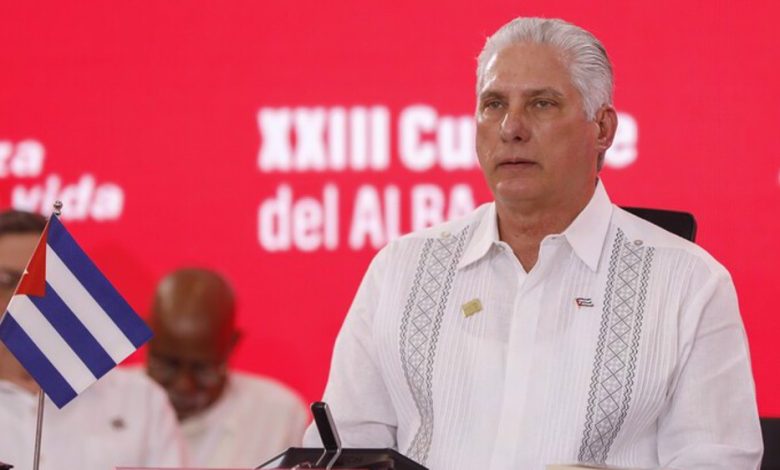
Cuban President Miguel Díaz-Canel has announced new economic reforms to foster foreign investment and the national economy to counter the US-imposed economic and energy sanctions.
The proposals unveiled on Friday aim to restructure the island’s national economy and redefine Cuba’s role in the global market.
As measures implemented by the administration of Donald Trump against Cuba have intensified, the Communist Party-led government plans to pursue solutions beyond its traditional economic model, including incentives for private businesses, foreign investment, and the importation of renewable energy technologies.
During a private news conference, the Cuban leader preliminarily announced a set of proposals that he said would define the country’s path forward in response to a “totally aggressive policy by the United States government.”
“I believe that is precisely what we need to discuss: How we are going to overcome these challenges and how we are already overcoming them? The United States cannot forgive the fact that, after all the maximum pressure it has exerted, the revolution still exists and the country continues to function. They themselves do not believe the narrative they constantly repeat about Cuba being a failed state,” said the leader of the Communist Party and president.
Cuba
He said the first step will be to grant greater authority to municipalities.
“Municipalities should have the authority to import and export and not depend on central plans. Municipal governments should be able to manage foreign-currency revenues and promote and oversee foreign direct investment within their territories in line with local interests,” he said.
The reforms would also expand economic participation by private actors from abroad. Specifically, Diaz-Canel argued for the creation of mechanisms that facilitate investment in Cuba from Cubans living outside the island.
The president also indicated that his government is pursuing food sovereignty by encouraging local agricultural markets and expanding access to foreign currency through exchange markets.
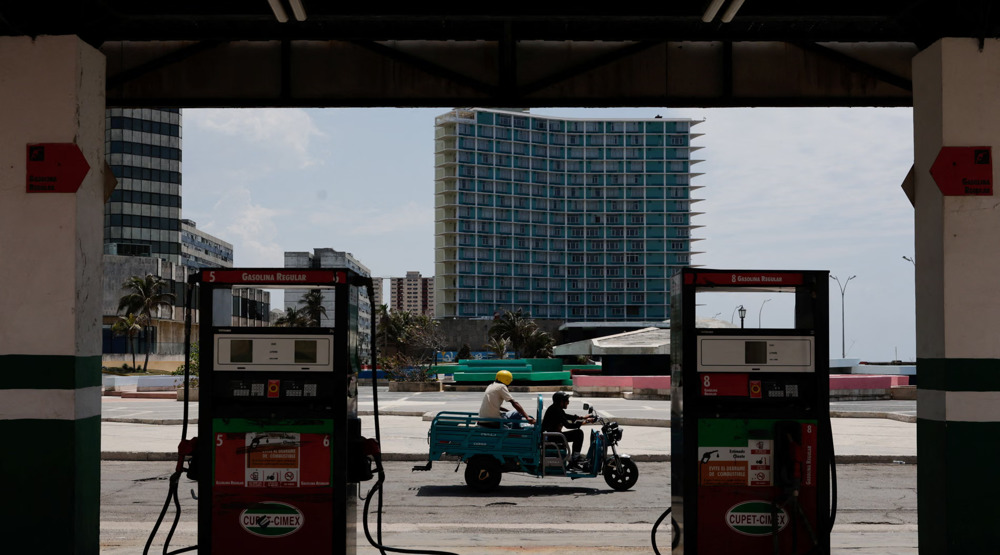
Addressing the island’s energy needs, which he said have been severely affected by the “criminal blockade” imposed by the US, Diaz-Canel outlined measures to reduce dependence on external energy supplies.
“We continue to promote the use of renewable energy sources in every area and every sector. We are seeking to attract as many foreign companies as possible that can offer photovoltaic systems in the domestic market to state institutions, the population and non-state businesses. We want to multiply the opportunities available to us so that we become increasingly less dependent on electricity generation based on fuel, especially fossil fuels,” he said.
Trump has announced that he demands “regime change” in Cuba, declaring that he aims to mount pressure on the Latin American nation until its ruling 87-year-old leftist government breaks and is toppled.
UN Human Rights Chief Volker Turk has raised the alarm on the humanitarian repercussions of Trump’s pressure campaign against Cuba.
Turk warned that children are dying there due to the illegal blockade imposed on the island-state by the United States.