Ansarullah Criticizes UAE-Saudi Conflict Amidst Former Allies’ Occupation in Yemen
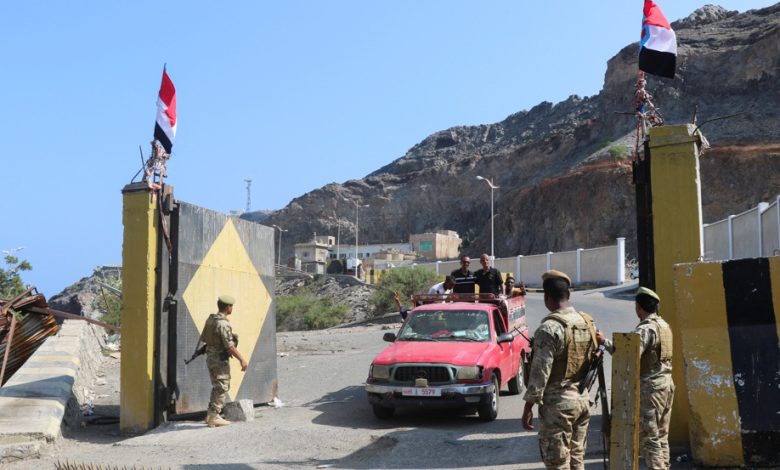
A high-ranking representative of Yemen's Ansarullah resistance movement has characterized armed confrontations in the oil-rich Hadramout governorate as a conflict between two invading forces, referring to Saudi-backed loyalists of the fugitive government and UAE-supported Southern Transitional Council (STC) militants.
Nasruddin Amer, the deputy director of the media bureau of the movement, delivered his comments in a video message published on the social media platform X on Thursday.
Amer expressed surprise at claims questioning the clarity of the Sana’a-based government’s position on recent developments in Hadramout, emphasizing that their stance is decidedly transparent.
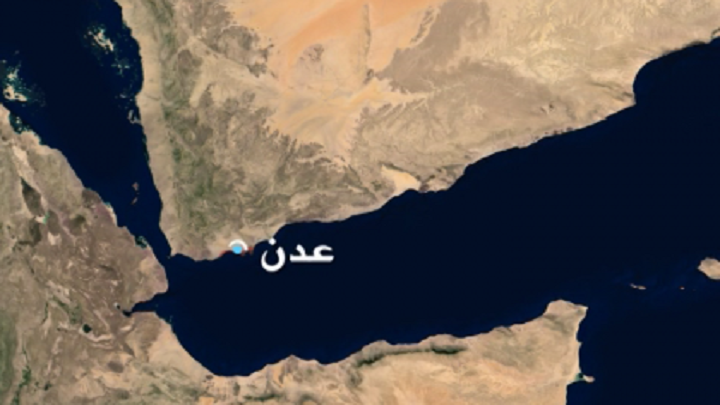
He stated that Sana’a has consistently maintained that the conflict that erupted in Hadramout and surrounding areas like Aden, al-Mahra, and Socotra is a consequence of the Saudi-led occupation.
A high-ranking official from Ansarullah has highlighted that these areas have been under the control of militant groups supported by Saudi Arabia and allied with the UAE since 2015. The government based in Sana’a has been advocating for their liberation and restoration under Yemeni sovereignty.
Amer characterized the recent hostilities between the Southern Transitional Council (STC) and the Saudi-supported Presidential Leadership Council (PLC) as a confrontation between two occupying forces using their proxies.
A spokesperson from Sana’a expressed the city’s viewpoint on the recent incidents, attributing them to the consequences of occupation, which they believe must be terminated. The spokesperson emphasized that this is a justified demand, stating that it is irrational for some factions to expect Sana’a to support one occupying force against another.
He emphasized that some groups have pressured Ansarullah to align with forces linked to the United Arab Emirates to counter Saudi-backed militants, and vice versa. “This demand is both outrageous and unrealistic.”
Amer has stated that certain parties advocating for intervention in Sana’a have yet to denounce the occupation, instead offering their endorsement. He noted that these parties have not once demanded the expulsion of the occupiers from Yemeni territory.
A spokesperson stated, “We express solidarity with every segment of Yemeni society, finding no justification for the continued conflicts. These crises are viewed as harmful to Yemeni citizens, the economy, and national security, contributing to widespread chaos in the country.”
The United Arab Emirates has emerged as a pivotal ally in the Saudi-led coalition, supported by the United States, in the ongoing conflict against the Ansarallah-led administration in Sana’a, Yemen, which began in 2015. Despite this partnership, Saudi Arabia and the UAE are concurrently engaged in a rivalry for control over Yemen’s valuable resources and strategic port locations.
Critics argue that both countries are maneuvering to divide Yemen to further their own agendas. Analysts suggest that the emphasis on local autonomy disguises a deeper power struggle, with Hadramout becoming a crucial focal point in this competition.
Yemen has suffered from external intervention for decades, with Ansarullah maintaining substantial control over the northwest region, including the capital, Sana’a.
The resistance movement has garnered international attention due to its operations directed at Israel and maritime activities in the Red Sea, especially amidst the backdrop of Israel’s conflict in Gaza, which some have described as genocidal.
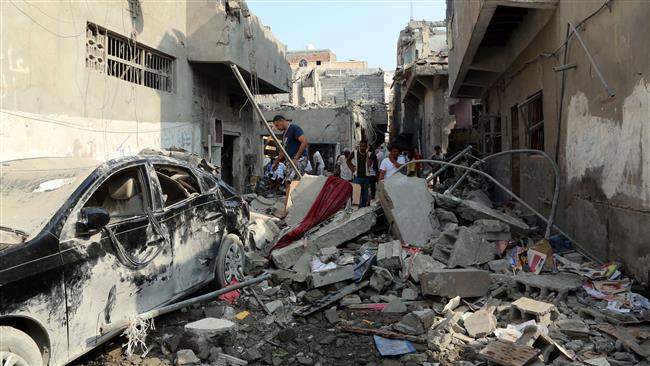
Lethal strikes conducted by the United States and Israel in Sana’a have resulted in civilian casualties.