Heavy cost for US to return to confrontation with Iran
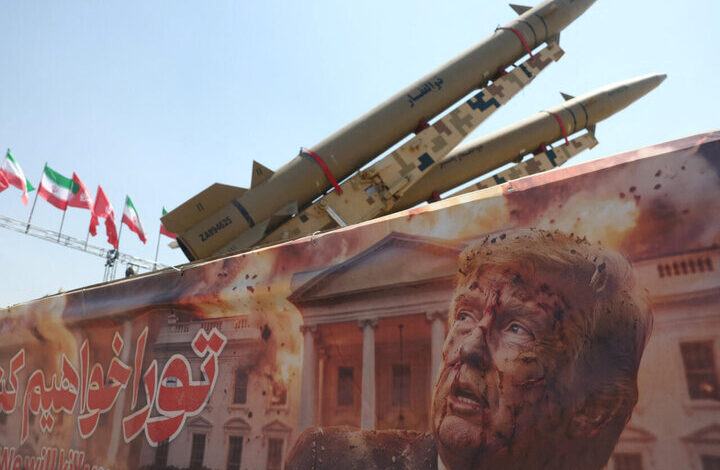
further munitions and equipment to sustain military pressure—all while the ultimate outcome of this process remains uncertain. The strategic implication is clear: as long as the adversary retains the ability to continue resisting, one cannot conclude that their defensive capacity has been exhausted based solely on the volume of attacks carried out.
Why could a renewed attack be more costly?
The United States re-engaging in a confrontation with Iran could trigger a repeat of that same costly cycle. New operations would require ammunition, logistics equipment, fuel supplies, the movement of troops, and the protection of military bases and facilities. Should equipment sustain damage or the scope of the conflict expand, costs would rise accordingly. Furthermore, a prolonged crisis could impact energy markets and economic expectations, extending the repercussions well beyond the military battlefield.
On the other hand, the United States must also consider the possibility of a prolonged conflict and the need to remain prepared for unforeseen scenarios. Military operations might begin with limited objectives, but reciprocal responses and shifting conditions could expand their scope. Under such circumstances, the final cost will not necessarily align with initial estimates.
The fundamental question for the White House is whether the costs of a new confrontation would yield commensurate gains. If the objective is to durably weaken Iran’s defensive capabilities, the persistence of its missile and drone capacities could make achieving this goal more difficult. Furthermore, if the aim is to compel Tehran to accede to Washington’s demands, it remains to be seen whether military pressure would truly lead to such an outcome, or if it would merely generate additional costs.
The White House’s Strategic Calculus Test
A report by “The Times” once again draws attention to the gap between military superiority and the achievement of strategic outcomes. Possessing extensive military capabilities enables the infliction of damage, but it does not, in itself, guarantee that the adversary will cease resistance or that the aggressor’s political objectives will be realized. When assessing a conflict, one must simultaneously consider the costs incurred, the resilience of the parties involved, and the extent to which objectives have been achieved.
For Washington, returning to a confrontation with Iran—without regard for the lessons of past costs—means re-entering a path with a predetermined outcome. The strain on U.S. military stockpiles, combined with Iran’s ability to restore parts of its defensive capabilities, suggests that repeating such attacks will not necessarily shift the equation in favor of the aggressor.
Ultimately, the primary challenge for the United States is not merely the capacity to launch a new operation, but the ability to achieve a sustainable outcome at a manageable cost. If previous strikes failed to realize Washington’s intended objectives, any decision to follow the same path requires a clear answer to the question: what will be different this time? Absent such an answer, a renewed attack risks becoming less of a solution to the crisis and more the beginning of another phase of resource depletion and escalating strategic costs for the United States.
MNA