Report: U.S. Military Death Toll in War on Iran Surpasses Department of War’s Public Count
A report says more American service members may have died across West Asia during Trump’s war on Iran than indicated in publicly available casualty records from the US Department of War.
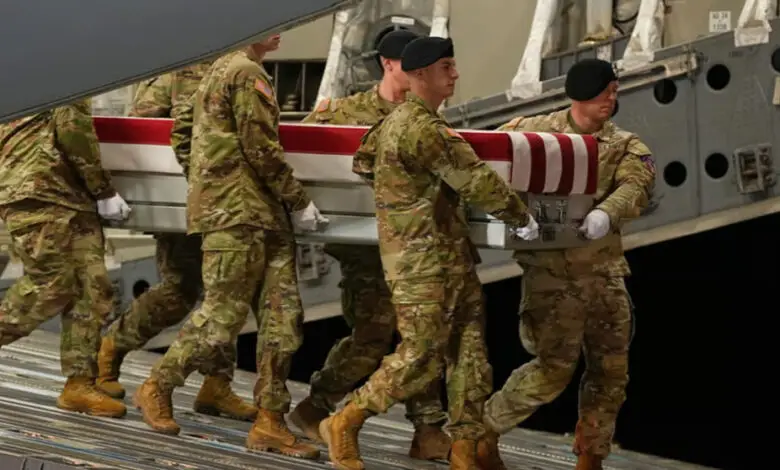
A report says more U.S. forces may have died across West Asia during Trump’s war on Iran than reflected in publicly available casualty records from the U.S. Department of War.
The Washington Post reported on Friday, citing six Department of War insiders.
Sources familiar with the department’s internal casualty data told the newspaper that at least 22 U.S. military personnel had died—four more than the 18 fatalities recorded in the department’s Defense Casualty Analysis System.
Report: U.S. adopts a new method to undercount casualties from Iranian retaliation.
An official cited by The Post estimated that 23 people have died since the United States and Israel began the war in February. The official said some deaths excluded from the department’s public tally were not directly related to the conflict but involved US personnel stationed in the region during the war.
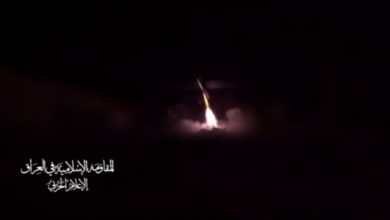
Iran said it responded to what it described as unprovoked aggression with at least 100 waves of retaliatory strikes targeting sites across several countries in the region.
Iran’s Islamic Revolutionary Guard Corps said it targeted F-15 preparation facilities at Jordan’s al-Faysal and Prince Hassan air bases, claiming it destroyed eight new MQ-9 drones and damaged two others. It also said two heavy U.S. helicopters were hit and that several personnel were killed or wounded.
The same U.S. official cited by the newspaper said three U.S. contractors based in the region had also been killed since the war began.
As of Friday afternoon, the department’s public database reported 14 deaths linked to “Operation Epic Fury,” Washington’s codename for the campaign, while four others were listed under “Overseas Operations.”
The database also indicated that more than 820 US troops had been wounded since the war began.
The discrepancy has reportedly frustrated Department of War officials, who questioned why the additional deaths were not included in the public casualty portal.
The report said two service members who died on missions across the region—described by Washington as unrelated to the war—were also missing from the department’s public portal.
The report also highlighted the potential consequences of how military deaths are classified.
When a U.S. service member dies, the military conducts a “line-of-duty investigation” to help determine the survivor benefits available to the family.
The department’s casualty reporting faced scrutiny in July after the names of four personnel killed in Iranian retaliatory strikes were removed from its public database and later restored under a different classification.
Department of War spokespeople attributed the change to “temporary data disruptions” and said the issue would be “resolved.”
Earlier this month, The Telegraph reported that the department had denied benefits to some troopers killed in the war, citing the absence of a formal congressional declaration of war.
The latest report comes amid continued scrutiny of the department’s public accounting of U.S. military strikes.
NBC News reported last month that hundreds of civilians were killed or injured in US airstrikes in Yemen in 2025, while the department had not publicly acknowledged the casualties or given Congress a complete account.
The administration has also come under criticism over Trump’s public remarks about U.S. military deaths during the war with Iran.
In July, Trump posted on Truth Social what appeared to be a comparison between U.S. fatalities in the war and the significantly higher death tolls from previous conflicts. Trump repeated similar remarks earlier this month.
Bereaved relatives criticized Trump in July after he appeared to attribute remarks to troopers who had died during a dignified transfer.
He previously said that all of them had strongly agreed that Iran must not be allowed to obtain a nuclear weapon, reiterating allegations that Tehran was developing or maintaining nonconventional weapons—claims Iran has consistently dismissed as propaganda.
Karie Fugett, widow of Marine Corps Corporal Jimmy Cleveland II, criticized the remarks in an interview with HuffPost.
Fugett called it a disgraceful political stunt timed to precede a major election.
She said the president understands that the war with Iran is the most unpopular conflict in modern history and fears the political consequences at the ballot box, calling the situation “foul.”