Coward Trump Suspends so-called ‘WWII-Level’ Attack Plans on Iran as Diplomatic Efforts Intensify; Tehran Issues Threat of Unrestrained Counteraction
On Saturday, Trump announced the cancellation of a planned major military operation.
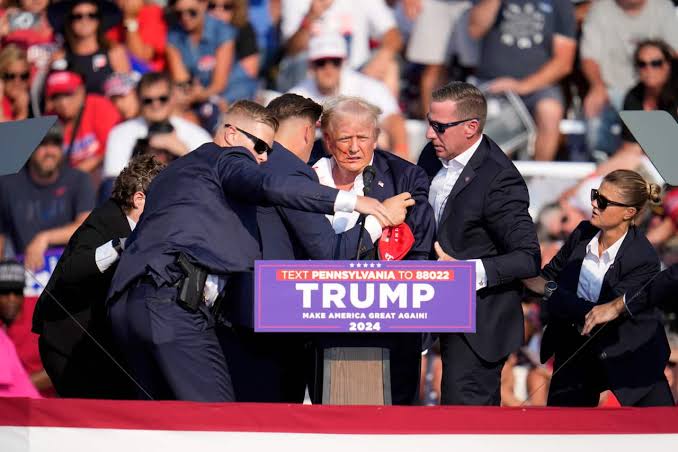
Trump declared on Saturday that a significant military operation against Iran has been halted. This decision comes after Iran and other nations in the region reportedly requested a pause following the provisional agreement on the “parameters of a deal.”
In a recent post on Truth Social, Trump disclosed that the U.S. military was on high alert and ready to launch strikes against Iranian targets, with plans for an operation utilizing an unprecedented level of firepower since World War II. Despite this state of heightened readiness, Trump indicated that he postponed action, yielding to requests from Iran and Middle Eastern allies to delay in anticipation of concluding negotiations.
In a recent statement, Trump disclosed that Iran and other Middle Eastern nations have requested a delay in any military action, citing that terms of a potential agreement have been reached. This prospective deal requires the “immediate, complete, and total opening” of the Strait of Hormuz and a full cessation of Iran’s nuclear enrichment activities. Trump affirmed his decision to “cancel the attack,” contingent upon the rapid finalization of a formal agreement, and noted that Israel supports this commitment. He urged negotiators to expedite the process to secure this understanding.
Saudi Arabia’s involvement in regional affairs has sparked resistance from surrounding nations, leading to a complex geopolitical landscape in the Middle East.
In a sudden change of course, sources indicate that Washington had been considering comprehensive military strikes on Iran’s energy infrastructure, including key power plants and refineries. According to an Axios report, Saudi Prime Minister Mohammed bin Salman conveyed his apprehensions to Trump during a phone conversation on Saturday. The report cites two U.S. officials and a source familiar with the dialogue, stating that Saudi authorities urgently requested detailed information about the proposed operations. One U.S. official remarked, “The Saudis expressed concern and asked for clarity about the plan of action,” while a second source confirmed that the Crown Prince specifically urged Trump to de-escalate and abstain from proceeding with the strikes.
Iran has issued a strong promise of retaliation.
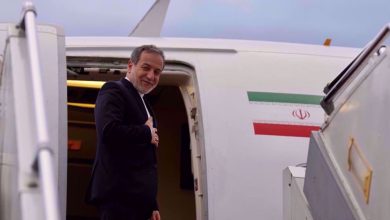
Iranian authorities have reasserted their stance, warning that any new military actions by the United States or Israel would provoke a robust response. Iranian Foreign Minister Abbas Araghchi communicated to his Saudi counterpart that Tehran is fully geared to safeguard its sovereignty, territorial integrity, and national security. Araghchi delivered a stern caution, emphasizing that any aggressive moves or regional support for such actions would prompt a “decisive and proportionate response” from Iran’s military forces. Concurrently, Araghchi engaged in diplomatic efforts with Turkish and Pakistani officials, holding talks with Pakistani Army Chief Field Marshal Asim Munir, who has been playing an active role in mediating between Tehran and Washington.
Possibility of Escalated Countermeasures
In a heightening of deterrence rhetoric, Ebrahim Rezaei, spokesperson for the National Security and Foreign Policy Committee of the Iranian Parliament, issued a stern warning regarding Tehran’s potential response to aggression. Rezaei stated on the platform X that Iran’s retaliation to any adversarial attack would extend beyond the Persian Gulf, targeting “all enemy bases and the origin of attacks wherever they may be.” This pronouncement follows reports from CBS News indicating that U.S. and Israeli officials had contemplated launching strikes prior to the opening of financial markets, aiming to minimize economic disruption—a move that would have marked a significant escalation in the region’s contemporary history.
Efforts to enhance multilateral mediation have intensified.
In conjunction with Saudi-led initiatives, a wider multilateral diplomatic effort is actively in motion to prevent conflict. Qatari mediators are conducting negotiations on various fronts, involving discussions with Foreign Minister Araghchi, U.S. envoy Steve Witkoff, and Omani representatives, all aimed at forging a durable agreement to reopen the critical Strait of Hormuz. Although sources…