Zionist Military Launches Strikes on Nabatieh Region in Southern Lebanon, Persisting Ceasefire Violations
In the early hours of Monday, Zionist forces launched shelling operations in southern Lebanon, specifically aiming at the outskirts of the Ali al-Taher Heights within the Nabatieh region, according to reports from local media.
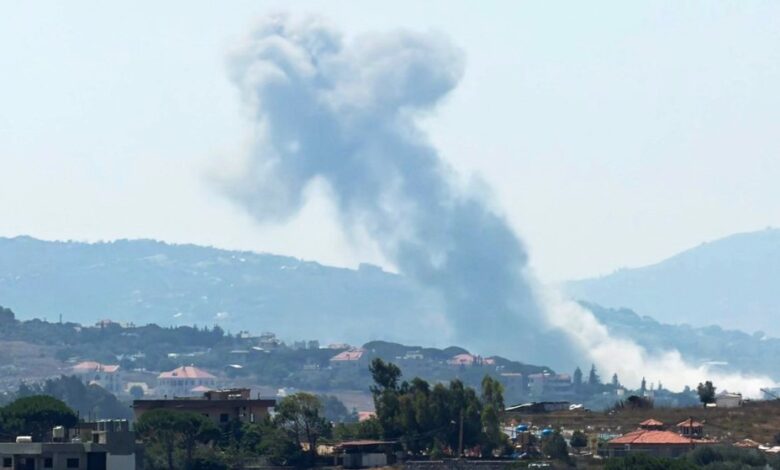
There have been no prompt reports concerning casualties or damage to property.
Recent developments mark a continuation of Israeli military actions in southern Lebanon, with recent days witnessing explosions near Barashit and Kfar Tibnit alongside airstrikes aimed at areas surrounding Mansouri and Majdal Zoun.
On March 2, Hezbollah initiated military operations targeting Israel, citing a response to US-Israeli actions against Iran, Israel’s persistent breaches of the 2024 ceasefire agreement, and the ongoing occupation of Lebanese territory in the nation’s southern region.
In the wake of the Iran-US ceasefire on April 8, Tel Aviv found itself obliged to agree to a ceasefire in Lebanon. This development followed Tehran’s insistence on halting Israeli attacks on Lebanese territory as a key condition during its indirect negotiations with Washington.
The Israeli military swiftly recommenced its offensives on southern Lebanon, breaching the terms of the agreement.
The July 17 Islamabad Memorandum of Understanding, signed between Iran and the United States to halt the ongoing conflict, called for a cessation of hostilities on all fronts, including Lebanon. However, Israel breached the agreement and did not adhere to its stipulated commitments.
On June 26, Lebanon and Israel concluded a framework agreement, facilitated by the United States, which details a gradual withdrawal of Israeli troops from Lebanese territories under occupation. This initiative will commence with a pilot program in two undisclosed zones.
The agreement does not set a specific timeline for withdrawal, linking its completion to the Lebanese army assuming full security control in the vacated areas and the disarmament of armed factions, with particular reference to Hezbollah.
Hezbollah has dismissed the agreement, arguing that the framework deal legitimizes Israeli control over southern Lebanon.
Lebanon’s Amal Movement has expressed opposition to the proposed agreement, asserting that the majority of its provisions are harmful to Lebanon’s national interests and primarily serve the interests of the Israeli regime.
During a recent meeting with Trump at the White House, Lebanese President Joseph Aoun reaffirmed Beirut’s call for the full withdrawal of Israeli occupation forces from Lebanese territory. He emphasized that achieving full implementation of the ceasefire agreement remains unattainable as long as Israeli violations continue.
Based on official statistics from Lebanon, Israeli attacks have resulted in the deaths of at least 4,330 individuals, left 12,236 injured, and displaced over 1 million people since March 2.
Israel continues to hold its presence in areas of southern Lebanon, with certain territories having been occupied for several years, while additional regions were acquired during the military actions of 2023-24.