Iran’s military yet to deploy full capabilities, could stage preemptive strikes: Senior Army commander
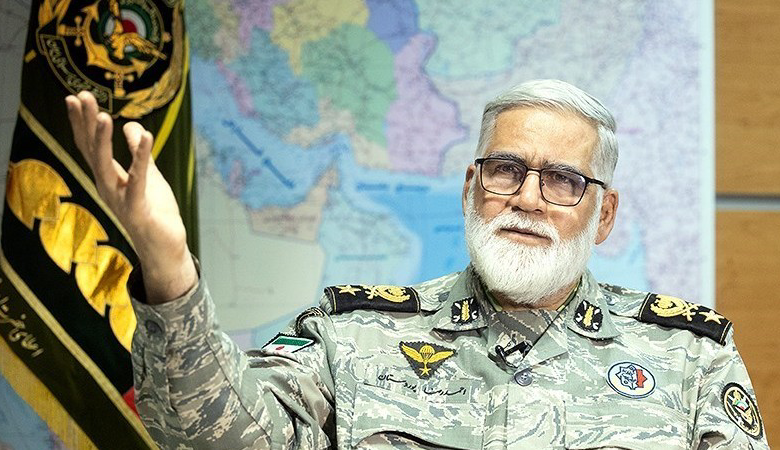
Iran’s armed forces have transitioned from a defensive to an offensive military doctrine, with preemptive operations now on the table, a senior Iranian commander has declared, warning that the country has yet to deploy a significant portion of its military capabilities.
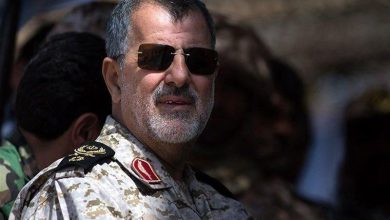
Brigadier General Ahmadreza Pourdastan, head of the Army’s Center for Strategic Studies, made the remarks in an interview with Fars News Agency on Tuesday, offering an assessment of Iran’s military posture and the shifting balance of power in the region.
“In an offensive doctrine, preemptive operations are also defined,” Pourdastan stated. “If the expediency of the system necessitates it, we may severely surprise the enemy through preemptive operations in unknown arenas.”
The commander said Iran’s armed forces remain at full readiness and have yet to reveal all their capabilities.
“The armed forces have not yet operationalized a significant part of their capabilities,” he said, adding that the enemy knows any miscalculation would be met with a response extending “beyond the borders and the Strait of Hormuz.”
‘Ceasefire requests signal defeat’
Reflecting on Iran’s performance in the recent 12-day and 40-day wars, General Pourdastan asserted that the Islamic Republic and the Axis of Resistance successfully navigated an “utterly unequal” conflict against a “Hebrew, Western and Arab” coalition led by the United States.
He identified the enemy’s request for a ceasefire as the clearest sign of victory. “Throughout the history of warfare, it is always the side that is losing that requests a ceasefire,” he noted, framing recent US rhetoric as a symptom of desperation rather than strength.
‘We went to the brink of war’
Addressing the volatile situation in Lebanon, the general confirmed that Iran was prepared to defend the Lebanese people.
He said Iranian forces had come to the brink of war with the Israeli regime on multiple occasions over the past month.
“Several times, we went to the brink of war with the Zionist regime,” he said. “The launchers were ready and our fingers were on the trigger, ready to start a war if Israel did not retreat.”
According to the commander, Iran’s decisive threats compelled the United States to pressure Israel into halting its aggression in southern Lebanon to prevent a wider conflict.
Unity of Army and IRGC
General Pourdastan highlighted the “unbreakable unity” between the Army and the Islamic Revolution Guards Corps (IRGC) as the country’s key deterrence asset.
He noted that this cohesion, established since 1982, has forged a single, cohesive and powerful force capable of neutralizing threats across any geography.
The commander also downplayed the significance of verbal threats from figures like Trump, stating that responding to such political rhetoric is the domain of diplomats.
“The armed forces are closely monitoring the realities on the ground,” he said, “and have prepared appropriate and operational responses.”
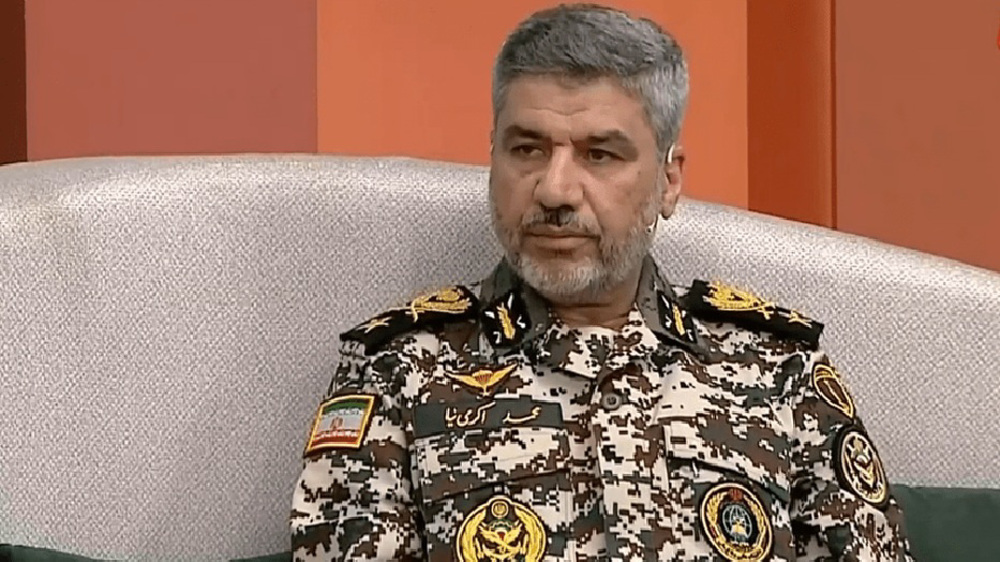
Iran plans to “maintain the level of readiness of the armed forces more than ever before” as the MoU with the US is put in place, said an Iranian army spokesperson.
General Pourdastan’s remarks come amid heightened tensions following the signing of a US-Iran memorandum of understanding on June 18, which was intended to halt military operations on all fronts, including Lebanon.
However, Israel has continued its strikes in southern Lebanon, prompting Iran to briefly re-impose wartime restrictions on the Strait of Hormuz over the weekend.
During the subsequent talks in Switzerland on Sunday, US President Donald Trump issued threats to Iran, warning Tehran to rein in its allies in Lebanon or face renewed attacks.
Iran responded by suspending the quadrilateral format of the talks.
Despite this, technical negotiations continue, with Iran insisting that any final agreement is contingent on a full ceasefire in Lebanon.