‘Israel’s’ Lebanon retreat shows extent of US influence: Israeli media
A Haaretz military analyst says "Israel’s" retreat in Lebanon reflects growing US influence over its military decisions, including Trump's intervention to block attacks.
“Israel’s” retreat in Lebanon reflects the extent of US influence over Israeli military decision-making, including that of President Donald Trump in operational planning, military analyst Amos Harel wrote in Haaretz.
According to Harel, the continuation of “Israel’s” aggression “is now dependent on the president and his assessment of the situation in Iran,” while northern settlers and Israeli occupation soldiers in southern Lebanon remain exposed to ongoing operations by the Resistance.
The latest developments in the war on Lebanon, he said, amount to a stark sequence in which “Iran threatened, the United States panicked, and Israel retreated,” adding that Trump personally intervened to stop Benjamin Netanyahu from striking Beirut’s highly populated southern suburb during a heated phone call on Monday.
He also noted that although a “ceasefire” was announced, it has yet to be fully implemented, while restrictions on strikes in Beirut reportedly remain in force.
“Israel” has continued to launch hundreds of airstrikes since the start of the so-called ceasefire, committed daily massacres, and expanded its displacement orders beyond the Zahrani River. Just yesterday, civilians were killed throughout South Lebanon from Israeli strikes.
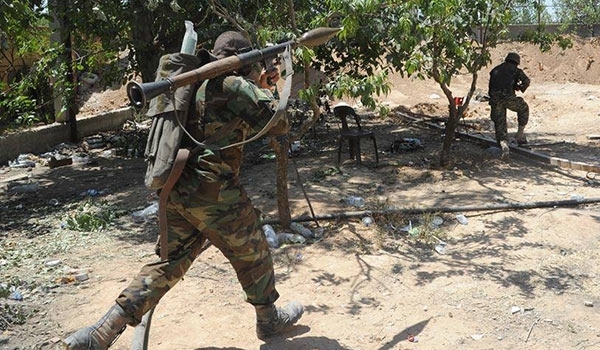
At the same time, the Home Front Command has slightly eased shelter instructions in northern occupied Palestine, but northern settlers and troops in southern Lebanon continue to face retaliatory attacks from explosive drones and rockets.
Harel also said Israeli ministers have been notably absent in the occupied north, part of a pattern of “failed management of the needs” of those settlements.
Trump prioritizes Gulf deal
According to Harel, “Israel’s” continued military actions in Lebanon are increasingly tied to US political calculations, particularly Trump’s assessment of how the aggression may affect broader regional de-escalation efforts in the Gulf.
He added that this is not the first time Trump has intervened to restrain Israeli military attacks, referencing earlier disputes during the war on Iran in 2025 and reported pressure on captive negotiations with Hamas following a failed Israeli assassination in Qatar.
Trump’s increased intervention was also followed by a heated phone call, during which he erupted at Netanyahu.
According to officials briefed on the call, Trump accused Netanyahu of ingratitude and lashed out directly, saying, “You’re f***** crazy. You’d be in prison if it weren’t for me. I’m saving your a**. Everybody hates you now. Everybody hates Israel because of this.”
At one point, Trump reportedly shouted, “What the f*** are you doing?”
The US president also argued that while “Israel” had a right to defend itself against Hezbollah attacks, the scale of its recent escalation, including civilian casualties and the destruction of residential buildings, had gone too far. One official said Trump was particularly alarmed by strikes that targeted entire homes to eliminate single Hezbollah commanders.
Hezbollah drones unstopped; ‘Israel’ feels the heat
While Netanyahu was getting scolded, he and War Minister Israel Katz are facing growing pressure as the number of Israeli casualties in South Lebanon continues to rise. Over 10 days, six occupation soldiers were killed, and dozens of others were wounded in sustained drone strikes.
Even a symbolic but failed operation aimed at capturing Beaufort Castle failed to ease domestic criticism, particularly in Israeli media.
As a result, Israeli leaders reportedly threatened strikes on Beirut’s southern suburbs and pushed the military leadership to present operational plans, while the air force prepared for a large-scale attack.
Israeli illusion disintegrating
Harel said these developments appear to have triggered concern in Washington, where officials feared escalation could disrupt broader ceasefire efforts. Iran, meanwhile, threatened retaliation if “Israel” attacked Beirut.
Netanyahu ultimately ordered the cancellation of planned strikes under US pressure.
Since then, members of “Israel’s” governing coalition have sought to downplay the incident, stressing coordination with Washington and the strength of US-“Israel” relations. However, Harel concludes that it is difficult to reconcile these claims with the level of direct US intervention seen in recent events, particularly given the blunt manner in which Trump has reportedly expressed his positions.