No vessel can transit Strait without Iranian authorization: Army spox
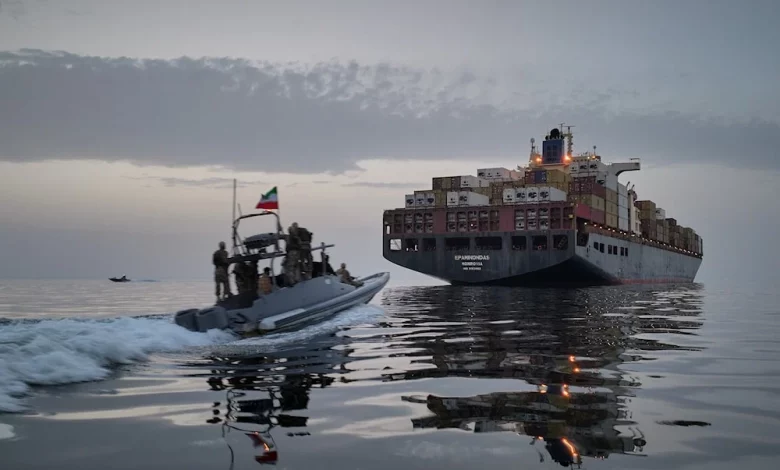
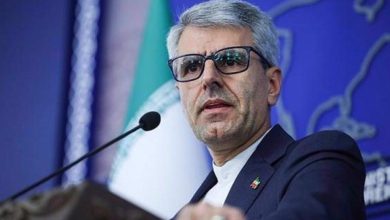
Iran’s control over the Strait of Hormuz effectively places its adversaries under pressure, Iranian Army spokesperson Brigadier General Mohammad Akrami Nia stated on Saturday.
“By controlling the Strait of Hormuz, we are also controlling the enemy,” he said in a statement, emphasizing that the vital maritime passage is under strict Iranian oversight. He added that no vessel can pass through the strait without authorization from Iranian authorities.
The spokesperson further warned that any hostile action would trigger a broader and more complex response. “If the enemy makes a mistake and carries out aggression, it will face new arenas and tools in the war,” he said.
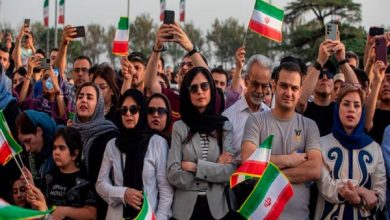
He also highlighted the role of public mobilization, asserting that civilian presence in the streets carries strategic weight comparable to that of missiles and drones.
Iran unveils new proposed Strait of Hormuz measures
Earlier on Saturday, senior Iranian lawmakers unveiled a proposal to regulate maritime transit through the Strait of Hormuz, introducing new restrictions and a licensing system requiring vessels to obtain authorization from Tehran.
Deputy Parliament Speaker Ali Nikzad said the 12-point plan would bar vessels linked to “Israel” from passing through the strait entirely, while ships from “hostile countries” would be denied transit unless they pay unspecified war reparations. All other vessels would be required to secure official permits under a newly established legal framework.
Nikzad stated the proposal would be implemented “in accordance with international law” and with respect for neighboring states, while stressing that Iran would not relinquish its sovereign rights. He described the initiative as comparable in significance to Iran’s historic oil nationalization.
Meanwhile, Mohammad Reza Rezaei, head of the parliamentary Reconstruction Committee, said revenues generated from transit fees would be split, with 30% allocated to military infrastructure and 70% directed toward economic development and public welfare.
Rezaei also framed control of the strait as a national priority, stating that managing the waterway is “more important than obtaining nuclear weapons” and insisting that “Iran will not relinquish this right.”