UN Experts: ‘israeli’ Evacuation Orders, Housing Destruction in Lebanon Reflect Gaza Domicide Patterns
UN experts have criticized the Israeli evacuation orders and the demolition of homes that civilians have returned to in southern Lebanon, describing these actions as part of a persistent pattern of domicide aligned with its ongoing conflict in Gaza.
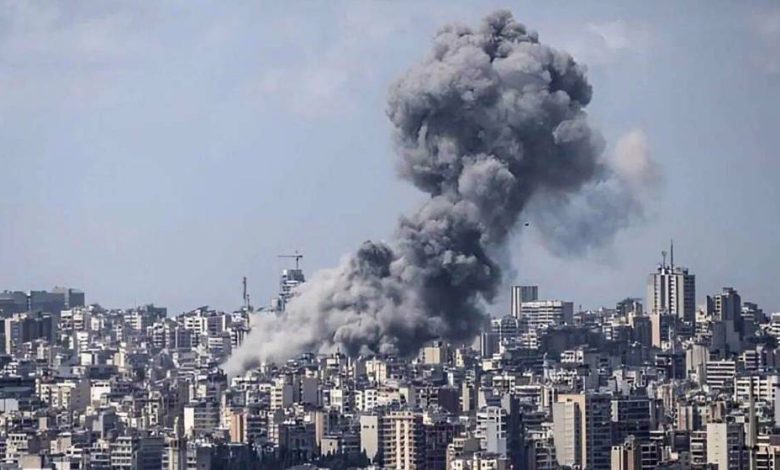
Experts issued a cautionary statement on Wednesday, indicating that the broad evacuation orders, together with the widespread destruction of homes in urban and village settings—homes that the displaced would have returned to—align with the pattern of domicide observed during the genocide in Gaza.
Reports indicate that the intentional demolition of homes is being utilized as a tool of warfare and a method of collective punishment, especially in Shia-majority regions in the rural southern parts of the nation. Observers have suggested that these actions may also be indicative of ethnic cleansing.
Experts have stated that the forced displacement of a civilian population is a crime against humanity and also constitutes a war crime under international law.
United Nations experts have issued a strong condemnation of what they describe as Israel’s unlawful aggression and indiscriminate bombing campaign against Lebanon on April 8.
Independent experts have expressed profound concern about what they describe as ongoing severe disregard for the international legal framework, diplomatic efforts, and most importantly, the well-being of civilians and the environmental conditions in Lebanon.
Analysts have contended that Israel timed its most extensive coordinated assault on the Arab nation since 1980 with the announcement of a ceasefire between Iran and the United States. According to Pakistani mediators, this ceasefire was also applicable to Lebanon.
The statement described the actions as a clear breach of the UN Charter, a calculated dismantling of peace opportunities, and a challenge to multilateralism and the United Nations-established international order.
Experts have made an urgent appeal to Israel to halt all military operations in Lebanon, adhere to the ceasefire framework outlined in Security Council Resolution 1701, withdraw its troops, facilitate the safe return of displaced individuals, and initiate direct talks with Lebanon.
They have urged the United States to leverage its influence to prompt an immediate cessation of Israeli strikes targeting civilians and infrastructure in Lebanon.
In a recent development, all members of the United Nations have been called upon to halt arms transfers to Israel amid the presence of credible evidence suggesting serious breaches of international humanitarian and human rights law.
Experts have called on the international community to extend its support to Lebanon’s humanitarian efforts, urging financial contributions to the USD 308 million Flash Appeal.
Since the ceasefire agreement between Lebanon and Israel on November 27, 2024, there have been numerous reported incursions by Israeli forces, raising concerns about repeated violations of Lebanese sovereignty.
In a swift and comprehensive offensive on April 8, 2026, Israeli forces launched strikes on over 150 targets throughout Lebanon, resulting in the deaths of at least 303 individuals and injuring 1,150 others. A significant number of people remain trapped beneath the debris.
Numerous strikes have targeted densely populated residential neighborhoods and commercial zones in the heart of Beirut, raising concerns over potential breaches of the principles of distinction and proportionality. These actions may also contravene the obligation to exercise all feasible precautions as outlined in customary international humanitarian law (IHL).
The strikes have inflicted significant environmental harm, releasing harmful air pollutants and greenhouse gases, tainting water systems, and devastating ecosystems with fires, debris, and chemical residues.
The Lebanese government reports that over 2,000 individuals, including healthcare workers and journalists, have been killed by the Israeli army in Lebanon, with 6,588 others injured since March 2.
Over one million individuals have been displaced in Lebanon, representing around one-fifth of the country’s total population. Among them, an estimated 140,682 people are currently residing in overcrowded shelters.