Iranian launchers ready to sink all US warships: Leader’s advisor
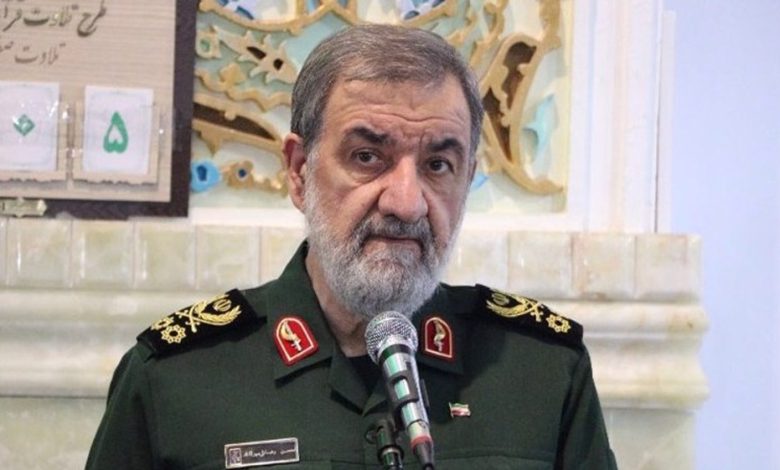
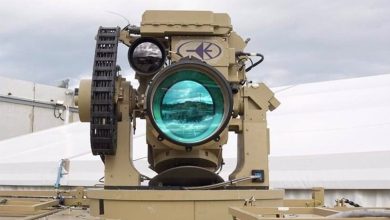
A military advisor to the Islamic Revolution Leader says Iranian Armed Forces’ launchers are ready to hit American warships and sink all of them.
Speaking in a televised interview on Wednesday, Mohsen Rezaei, who is also a member of Iran’s Expediency Discernment Council and a former commander of the Islamic Revolution Guards Corps (IRGC), stressed the need to exert more pressure on the enemies.
“Pressure must increase. Our launchers are now locked on the warships, and we will sink them all,” he said.
Pointing to the US efforts to impose a naval blockade on Iran, he added that the plan would definitely fail.
“Just as the United States suffered a historic defeat in trying to open the Strait of Hormuz, it is also doomed to fail in the naval blockade,” Rezaei emphasized.
He said the Iranian Armed Forces would never allow the US to achieve any success in proceeding with its naval blockade and are in possession of “major untapped leverage” to counter it.
The senior Iranian official reiterated that the Americans have no plan to end the war they jointly waged with the Israeli regime against the Islamic Republic late in February.
“In their latest plan, they (Americans) intended to deploy paratroopers in [the Iranian city of Isfahan] and seize our uranium to fabricate an achievement for themselves,” he added.
Iran imposed restrictions on the passage of vessels in the Strait following the illegal US-Israeli war of aggression on February 28.
The administration of Donald Trump said over the weekend it would impose a blockade on Iranian ports in the Persian Gulf and Sea of Oman. The US military claimed the blockade took effect on Monday.
In a post on his Truth Social on Sunday, Trump said the US Navy “will begin the process of blockading any and all ships trying to enter, or leave, the Strait of Hormuz.”
The IRGC warned that any military vessels approaching the Strait of Hormuz would breach a fragile two-week ceasefire reached between Iran and the US to halt 40 days of intense fighting which took effect last week. Iran’s central military command also warned of a broader regional response if Iranian ports come under attack.
On Wednesday, Iranian Foreign Minister Abbas Araghchi warned about the “dangerous consequences” of provocative US positions and actions targeting the Persian Gulf and the strategic Strait of Hormuz.
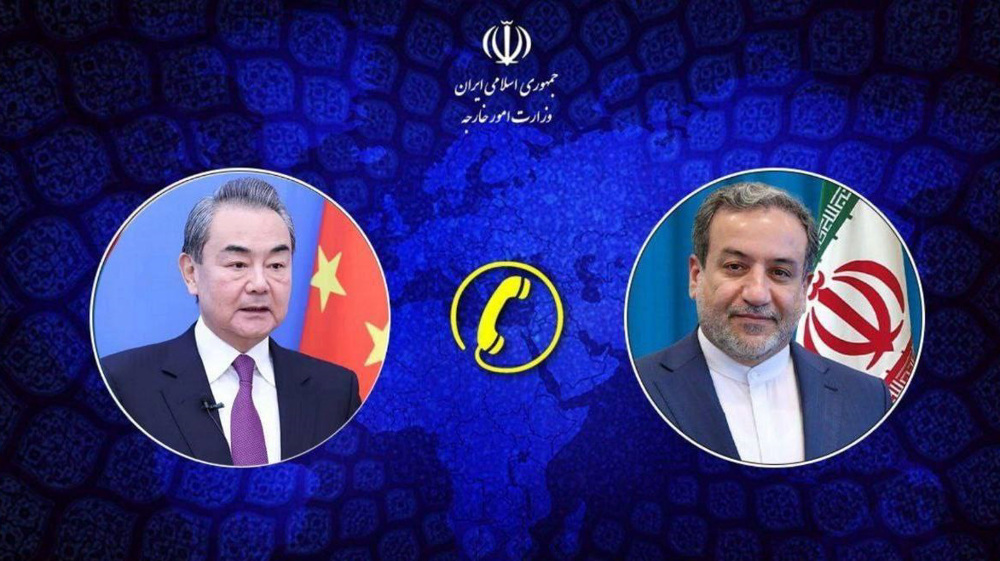
Iran warns about the “dangerous consequences” of provocative US positions and actions targeting the Persian Gulf and the strategic Strait of Hormuz.
Ceasefire extension not in Iran’s interests
Elsewhere in his interview, Rezaei said he believes that extending the ceasefire is not in Iran’s interest.
“Only when all agreements and our rights are fulfilled and a resolution is submitted to the UN Security Council, a ceasefire will be meaningful,” he added.
The official cited the “moral and humanitarian” considerations toward other nations as among the reasons that Iran has agreed to a temporary ceasefire.
Pointing to the possibility of holding another round of talks with the US, he stressed the need for “precision” to be observed in details of any negotiations in the future.
“We must be sensitive to every single word,” Rezaei said.
He concluded with two predictions, saying either the US would stop and accept Iran’s ten conditions which he said was unlikely or it will press ahead with its desperate efforts to win the war.
Despite approximately 21 hours of negotiations and diplomatic efforts by high-ranking Iranian and American negotiators in the Pakistani capital of Islamabad over the weekend, the US excessive demands prevented reaching an agreement.
The Iranian delegation, headed by Parliament Speaker Mohammad Baqer Qalibaf, presented various initiatives during the talks, but the Americans obstructed progress in the talks.