Maritime Traffic Disrupts as 3,000 Vessels Stranded in Hormuz Strait, Passage Drops by 94%
The flow of energy and cargo through the Strait of Hormuz, a crucial maritime passage in the Persian Gulf accounting for 20% of worldwide oil demand, has plummeted by approximately 94% since the onset of the US-Israeli actions against Iran in late February. This significant decline, as indicated by recent data, is raising alarm over potential lasting repercussions on the global economy.
The flow of energy and cargo through the Strait of Hormuz, a critical corridor in the Persian Gulf accounting for one-fifth of the world’s oil demand, has plummeted by approximately 94% since the onset of US-Israeli hostilities against Iran in late February, according to data. This significant reduction has sparked concerns about potential lasting harm to the global economy.
Recent data unveiled by leading global companies, including Lloyd’s List, indicates a significant decrease in the number of vessels passing through the Strait of Hormuz. The daily average has plummeted from 138 in late February to fewer than 10 vessels in recent days, as reported by Iran’s Tasnim news agency.
The report indicated that the significant decline in passage has resulted in a total standstill of shipping activity in the waterway.
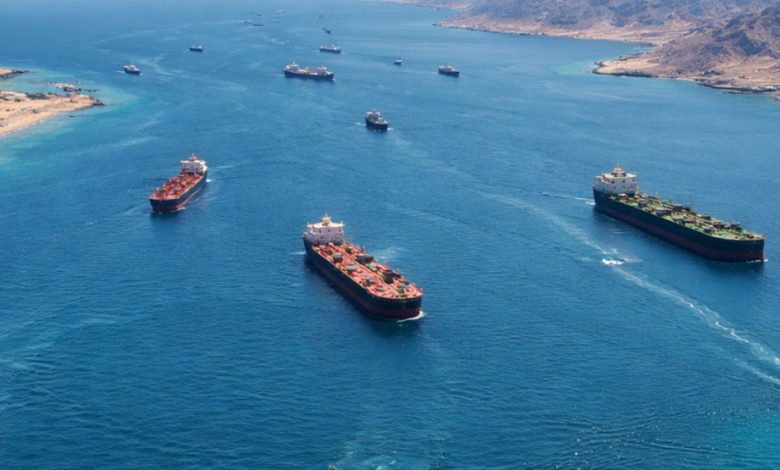
A recent report by Al Jazeera indicates that approximately 2,000 to 3,000 vessels are currently held up near the Strait, awaiting clearance to navigate the passage.
This development coincides with an announcement by the International Maritime Organization, which reported that approximately 3,200 vessels have become stranded in the Persian Gulf, resulting in nearly 20,000 sailors remaining inactive on board.
According to a report from Tasnim, 181 vessels, including tankers, have successfully navigated through the Strait of Hormuz since the beginning of March. Among these, 125 are identified as either Iranian-owned or affiliated with its allies.
According to the report, Iran has granted an exemption to neighboring Iraq, a close ally, from Hormuz Strait restrictions. Meanwhile, nations such as China, India, Pakistan, and Turkey have successfully navigated their vessels through the strait following direct negotiations with Iranian officials.
Reports indicate that approximately 24 commercial vessels have been targeted in or near the Strait of Hormuz since March 1. These incidents have resulted in the deaths of 8 individuals, with 10 others sustaining injuries.
Iran has enforced limitations on transit through the strait following the commencement of the US-Israeli hostilities on February 28, declaring that vessels connected to the aggressor nations are prohibited from navigating the waterway.
The limitations, along with assaults on energy production and storage infrastructures in the Persian Gulf, have resulted in unprecedented increases in global energy and commodity prices.