Iran appoints Ayatollah Alireza Arafi to leadership council
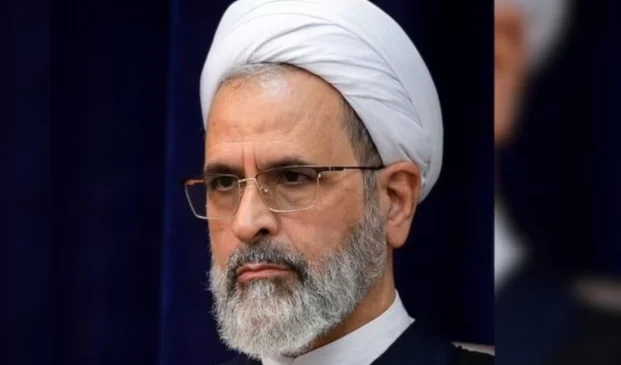
Iran has appointed Sheikh Alireza Arafi to serve on its interim leadership council, the body set to govern the country following the assassination of Supreme Leader Sayyed Ali Khamenei.
“The Expediency Discernment Council has elected Ayatollah Alireza Arafi as a member of the interim leadership council,” said Expediency Council spokesperson Mohsen Dehnavi in a post on X.
The temporary leadership council, which will also include the president and the head of the judiciary, is expected to run the country until the Assembly of Experts “elects a permanent leader as soon as possible.”
Who is Sheikh Alireza Arafi?
Sheikh Alireza Arafi is a senior cleric within Iran’s political and religious establishment. Born in 1959 in Meybod, he has built a long-standing career within the religious seminaries of Qom, where he has held influential academic and administrative roles.
He is a member of the Assembly of Experts, the constitutional body empowered to elect and, if necessary, dismiss the Leader. In 2024, Arafi was elected Second Deputy Chairman of the Assembly, placing him among its senior leadership figures.
In addition to his role in the Assembly of Experts and the Guardian Council, Arafi maintains significant influence in Iran’s religious education institutions. His appointment to the transitional Leadership Council positions him at the center of the country’s constitutional process during one of the most sensitive phases in its modern political history.
Per Article 111, Larijani says leadership council formed, vows unity
Earlier today, the Secretary of Iran’s Supreme National Security Council, Ali Larijani, announced that, in line with the constitution, a leadership council has been formed to assume the responsibilities of the Iranian leader pending the selection of a successor, stressing that constitutional mechanisms are proceeding without disruption.
Under Article 111 of the Iranian Constitution, in the event of the death, resignation, or dismissal of the Leader, the Assembly of Experts is required to take the necessary steps as swiftly as possible to appoint a successor.
Pending the selection of a new Leader, the constitution mandates that a temporary leadership council assume all duties of the position. This council is composed of the President, the Head of the Judiciary, and one jurist from the Guardian Council elected by the Expediency Discernment Council.
It is worth noting that the provision further stipulates that if any member of the council is unable to carry out their responsibilities during this interim period, a replacement is to be chosen by majority vote among the council’s jurists, ensuring continuity in the exercise of the Leader’s constitutional powers.