Iran Open to Diplomacy, Rejects Pressure Tactics, Says Foreign Minister Araghchi
Iran's Foreign Minister, Abbas Araghchi, has asserted that the nation remains open to dialogue grounded in mutual respect. However, he emphasized that the Islamic Republic will not engage in negotiations if subjected to pressure and intimidation.
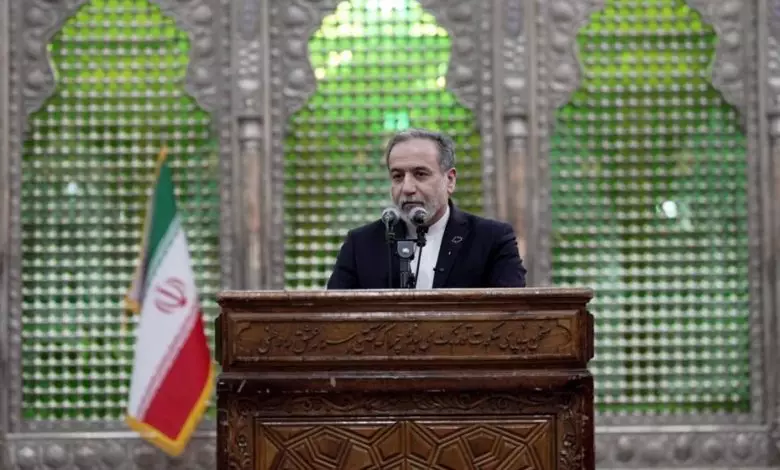
On Monday, Araghchi, along with his colleagues from the Foreign Ministry, reaffirmed their commitment to the principles laid out by Imam Khomeini, the late architect of the Islamic Republic, during a visit to his mausoleum in southern Tehran.
He stated that following the collapse of their anti-Iran strategies in the past year, which involved unlawful US-Israeli military actions and terrorist uprisings, adversaries are now turning to diplomatic discourse.
Iran has consistently expressed its readiness for diplomacy anchored in equality, mutual respect, and the advancement of national interests.
In a recent statement, it was declared that those who address the Iranian nation with respect will receive a respectful response, whereas attempts to use threats and force will be reciprocated in kind.
The foreign minister declared that diplomacy cannot coexist with pressure, threats, and intimidation, emphasizing that the Islamic Republic of Iran continues on this path with determination and strength.
Araghchi highlighted Iran’s consistent approach of balancing diplomacy with resistance. He emphasized that the Foreign Ministry aligns closely with the Iranian Armed Forces in their collective effort to safeguard the rights of the populace, protect national interests, and uphold national security.
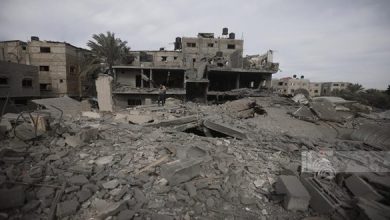
The foreign minister cited the unprovoked US-Israeli attack on Iran, which resulted in the deaths of at least 1,064 individuals between June 13 and 27, 2025.
He stated that adversaries launched the conflict while Tehran was engaged in indirect discussions with Washington concerning the nuclear matter, with Trump explicitly demanding Iran’s “unconditional surrender.”
Araghchi stated that in response, the Iranian nation chose a path of resistance and executed retaliatory strikes, which ultimately prompted their adversaries to call for an unconditional ceasefire.
The Iranian foreign minister has stated that the recent riots with foreign connections are distinct from constitutionally recognized civil protests, maintaining that the unrest is not linked to domestic democratic expressions.
During the ongoing riots, which have been described as an extension of the 12-day conflict, armed militants stepped onto the scene in an effort to further the adversaries’ unsuccessful scheme against Iran, according to Araghchi.
In late December, Iran experienced intermittent economic protests that were swiftly commandeered by armed mercenaries. These groups were allegedly incited by leadership from the United States and Israel, supported by their intelligence operatives on the ground.
Iran’s Foundation of Martyrs and Veterans Affairs reported that 3,117 individuals perished during the period of unrest, with 2,427 of the fatalities identified as civilians and security personnel.
During the riots and subsequent events, Trump issued multiple threats of military action against Iran while simultaneously bolstering U.S. military presence in the region.