Iran’s Foreign Minister Criticizes U.S. Military Tactics: “Diplomacy is Not About Bombers”
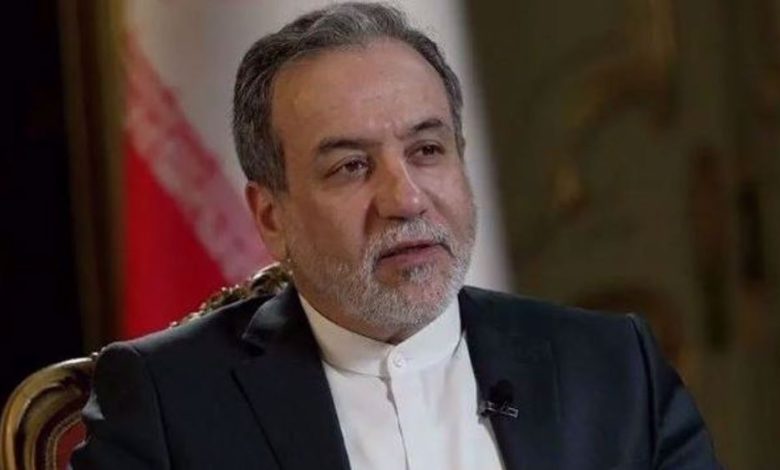
Iran's Foreign Minister, Abbas Araghchi, has criticized the United States' diplomatic approach at the United Nations Security Council, asserting that a willingness to engage in dialogue is inconsistent with launching attacks on the negotiating party amidst ongoing discussions.
Morgan Ortagus, serving as the US Deputy Special Envoy for West Asia, addressed the Security Council on Tuesday, stating that Washington remains open to engaging in “meaningful” negotiations with Iran concerning its nuclear agenda. However, she emphasized that the Trump administration is steadfast in its stance against allowing enrichment activities on Iranian territory.
Araghchi characterized the comments as “an innovative interpretation of diplomacy by the United States.”
Araghchi criticized Washington for allegedly denying Tehran’s “internationally recognized rights” to uranium enrichment, describing the situation as a “dictation” rather than a negotiation, and certainly not a meaningful one.
Araghchi remarked that global observers saw their negotiation efforts come under threat when the United States chose to use force against their citizens, effectively undermining diplomatic processes. His comments referred to the Israeli-US actions in June.
The statement emphasized a steadfast approach to resistance and retaliation, ensuring repercussions for any who initiate aggression.
Backed by the United States, Israel launched an offensive on June 13, shortly ahead of the sixth round of indirect nuclear negotiations between Tehran and Washington.
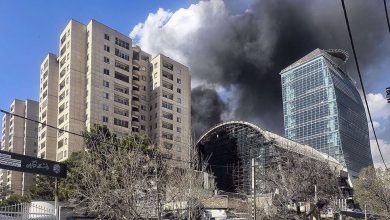
Over a week has passed since the United States initiated military action by launching airstrikes on three Iranian nuclear facilities. This move has been widely criticized as a serious breach of the United Nations Charter, international law, and the Non-Proliferation Treaty (NPT).
On June 24, Iran conducted successful counter-operations against both Israel and the United States, effectively bringing the unauthorized attack to a standstill.
Araghchi criticized recent actions, stating, “Extending the hand of diplomacy” does not involve deploying bombers and then celebrating their failure as a triumph. He called on Washington to engage in genuine and sincere diplomatic efforts rather than trying to mislead the global community.
In a statement, Iran’s permanent mission to the United Nations addressed the comments, expressing skepticism. “It is quite moving to receive lessons on ‘diplomacy’ from a party that openly admits to its primary role in facilitating and coordinating the Israeli regime’s conflict with Iran,” the mission shared on platform X.
In November, Trump recognized the involvement of the United States in Israeli military actions. He stated, “Israel initiated the attack on Iran with significant force, and I played a major role in overseeing that operation.”
The Iranian mission stated that “zero enrichment, ultimatums, and coercion wrapped in diplomatic language do not equate to negotiations; rather, they demonstrate that the aim is capitulation, not reaching an agreement.”
The Islamic Republic asserts that its stance is firmly grounded in the principle of rule of law rather than the exertion of power.