Hamas Alerts to Severe Storm Impact in Gaza, Urges Immediate Relief Efforts
Hamas spokesperson Hazem Qassem has issued a warning regarding the potential severe consequences of an incoming weather system anticipated to...
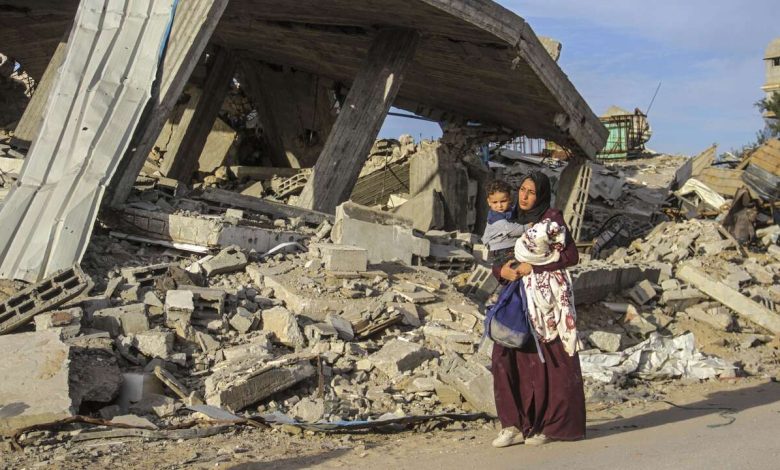
Hamas spokesperson Hazem Qassem has issued a warning regarding the potential severe impact of an impending weather system on the Gaza Strip. He highlighted that the tents housing displaced individuals are inadequate for withstanding rain and the chill of winter, a condition further worsened by Israeli-imposed fuel import restrictions.
Qassem declared that the dire humanitarian situation in the Strip “calls for an immediate relief effort and the establishment of sufficient and appropriate shelters by all involved parties.”
He emphasized the necessity of urging Israel to adhere to the humanitarian relief protocols established in the January 2025 agreement, which were reaffirmed in the October 2025 accord.
Qassem stated that the population of the Gaza Strip is enduring continuous acts of genocide, citing the ongoing siege, restrictions on humanitarian aid, limitations on shelter materials, and the closure of crossings as contributing factors. He urged the international community to confront its pressing moral and political obligations to protect the civilian population.
A warning has been issued in the wake of torrential rain last night that led to the flooding of tents in displacement camps due to an approaching polar storm. The severe weather has displaced families, who are now confronted with harsh cold conditions and a lack of sufficient resources or shelter.
In a related context, Mahmoud Bassal, the spokesperson for Gaza’s Civil Defense, outlined the looming threats posed by the deep depression. He stated that the conditions “will be extremely challenging in the Strip, where thousands have lost their lives due to what he described as Israeli genocide, and which is experiencing degradation across all sectors.”
Bassal cautioned that camps, shelters, and deteriorating structures “are at risk of sustaining significant damage and may collapse, potentially leading to casualties.”
He cautioned that shelters situated in low-lying regions are at risk of being entirely submerged, as there will be no mechanism in place to handle the anticipated deluge of rainwater. He further noted that the area is likely to experience flooding due to the forecasted intense rainfall, compounded by the existing breakdown across all facets of life.
“The relentless conflict has subsided temporarily, but it is resurfacing through natural catastrophes such as flooding, cold, and structural collapses,” stated Bassal. “It is imperative for the international community and organizations to intervene by facilitating the entry of humanitarian caravans into the area and ensuring their proper integration through the establishment of essential infrastructure.”