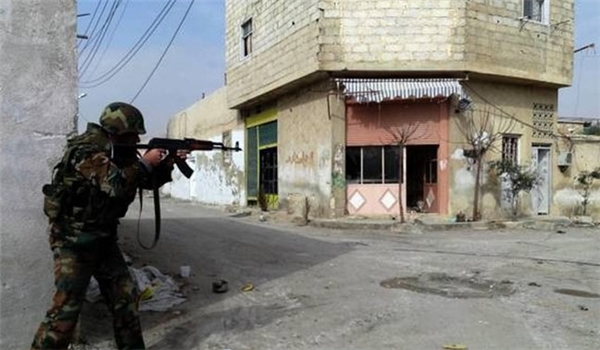
Iraq Ties Resistance Group Disarmament to US Withdrawal Amid Mounting Washington Tensions
Iraqi Prime Minister Mohammed Shia al-Sudani stated that resistance groups in Iraq will lay down their arms only when U.S. forces exit the country. He reinforced intentions for a complete coalition withdrawal by 2026, despite warnings from Washington.
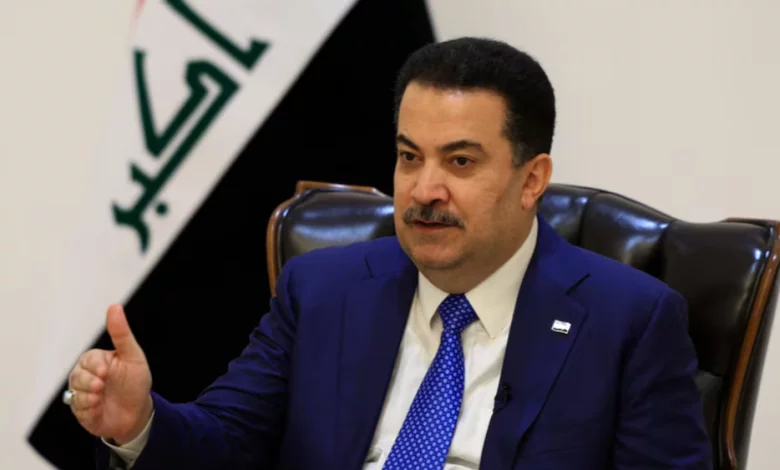
On Monday, Sudani reaffirmed that a strategy remains intact for the complete withdrawal of foreign forces claimed to be combating Daesh in Iraq by September 2026. This decision comes as the threat from terrorist groups has significantly diminished.
“There is no Daesh. Security and stability? Thankfully, it’s present … so what justifies the involvement of 86 nations in the coalition,” he remarked, alluding to the countries that have been part of the coalition since its inception in 2014.
According to a report by Reuters, it was emphasized that there will undoubtedly be a definitive plan to eliminate weapons that lie outside official state institutions—a priority that is universally demanded. The statement noted that factions might integrate into formal security forces or transition into the political sphere by surrendering their arms.
Washington is urging Sudani to dissolve resistance groups associated with the Iraqi Popular Mobilization Forces, a coalition of anti-terror entities that have been officially incorporated into the Iraqi government forces.
Sudani’s comments coincided with an announcement from Iraqi Defense Minister Thabit al-Abbasi, who disclosed that the United States has issued a “final” and “most serious” warning to Iraq regarding the operations of resistance factions within the nation.
In a weekend interview, Abbasi disclosed that Washington had issued a recent communication addressing armed groups, which included a direct warning. The message cautioned these factions against executing any operations in retaliation to forthcoming actions planned by Washington in the vicinity of Iraq in the days ahead.
He stated that the warning was communicated during a phone call with U.S. Secretary of War Pete Hegseth. According to him, Hegseth ended the discussion with a cautionary note, asserting, “This is your final warning… and you are well aware of the current administration’s likely response.”
Trump has appointed a prominent backer of his 2024 presidential bid, who previously managed a chain of marijuana dispensaries and lacks government experience, to serve as the administration’s new special envoy to Iraq. The appointee is tasked with advancing U.S. interests in the region.
In his inaugural official statement released last week via his account on X, Mark Savaya announced his mission to assist Iraq in distancing itself from resistance groups and liberating it from what he termed “external interference.”
Iran’s Foreign Ministry spokesperson, Esmaeil Baghaei, stated on Monday’s press conference that Tehran perceives recent US threats as an effort to meddle in Iraq’s internal matters, especially in light of its upcoming elections.
Baghaei stated that, in this framework, these threats are viewed as an intervention in Iraq’s domestic affairs, particularly as they are issued on the cusp of elections with the intention of fostering discord and swaying the internal dynamics of a sovereign nation.
He stated that these threats infringe upon the principles of national sovereignty and Iraq’s independence, highlighting what he described as the “interventionist and aggressive nature” of the United States.
Baghaei emphasized that the efforts and attempts to create tension will not sway the determination of the Iraqi populace, who remain steadfast in their resolve to make decisions and take actions that align with the nation’s security and interests.
Washington and Baghdad have reached a consensus on the gradual withdrawal of U.S. forces, aiming for complete withdrawal by the close of 2026. The initial phase of this withdrawal commenced in 2025.
In an interview, Sudani emphasized Iraq’s unwavering commitment to upholding security and stability, asserting the exclusive authority of state institutions over matters of war and peace. He affirmed that no external party can drag Iraq into conflict or war.